
 By li, chen
Raise3D: Not competing in consumer-grade, breaking out of professional-grade, betting its next stop on industrial-grade.
It seems we hadn’t heard news from Raise3D for quite a while. A RMB 100 million C2+ round of financing broke the silence, and the simultaneous release of the all-new industrial-grade T series showed us where it’s headed next.
Over the past few years, with Bambu Lab’s rapid rise, the companies hit weren’t just consumer-grade players like Creality—it was also companies like Raise3D that had always called themselves “professional-grade.”
In the past, there was a clear line between consumer-grade and professional-grade.
But today, as consumer-grade equipment iterates rapidly, the advantages that professional-grade equipment once prided itself on are gradually disappearing.
Looking back, though, traditional professional-grade brands like Zortrax, Fusion3, and UltiMaker have gradually been forgotten by the market. And Raise3D has also made a change—turning toward industrial-grade.
01
An Industry Veteran That Lay Comfortably in Its Comfort Zone for a Long Time
Raise3D was founded in 2015 and has a history of 11 years—a bona fide 3D printing industry veteran. It was founded in the same year as Anycubic and Snapmaker, one year earlier than Creality, and five years earlier than Bambu Lab, which was founded in 2020.
Let’s review Raise3D’s product line to get a sense of what “living off past glories” means.
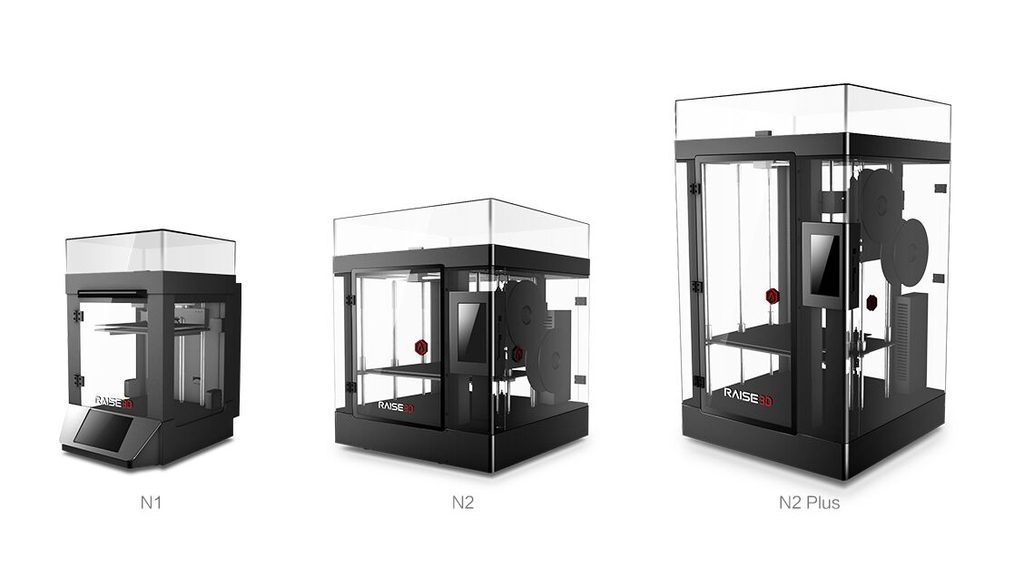
In 2015, Raise3D launched three products—the N1, N2, and N2 Plus—through a Kickstarter crowdfunding campaign, which can be seen as the early prototype of the later Pro series.
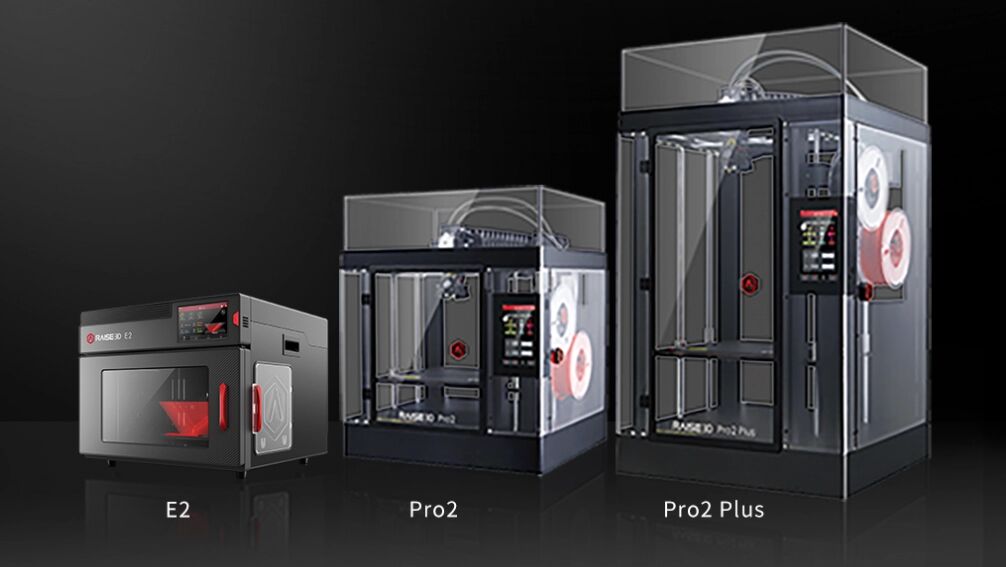
Then, the Pro2 series was officially released in 2018, the E2 in 2019, the Pro3, Pro3 Plus, E2 CF, and RMF500 in 2021, the DLP resin device DF2 in 2023, the Pro3 Plus HS high-speed version in 2024, the E3 and RMS220 in 2025, and the all-new T series in 2026.
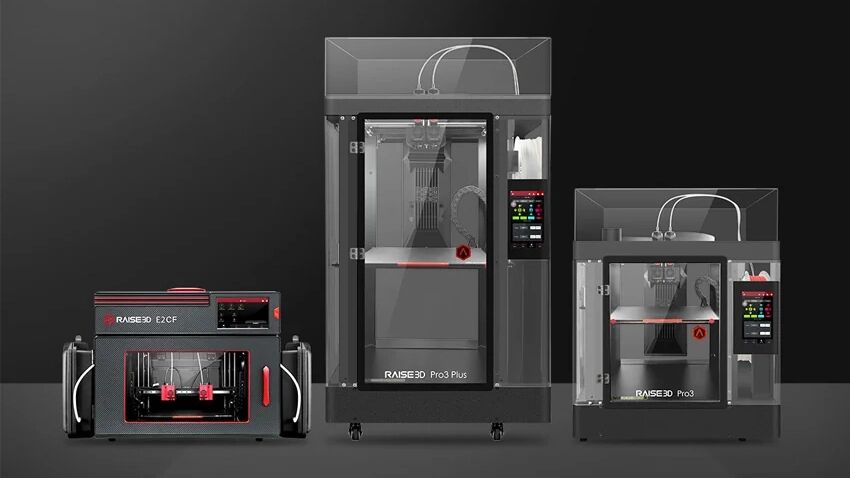
If you compare carefully, you’ll find that its flagship Pro series hasn’t changed much over the years—you could even say it’s been making only minor tweaks.
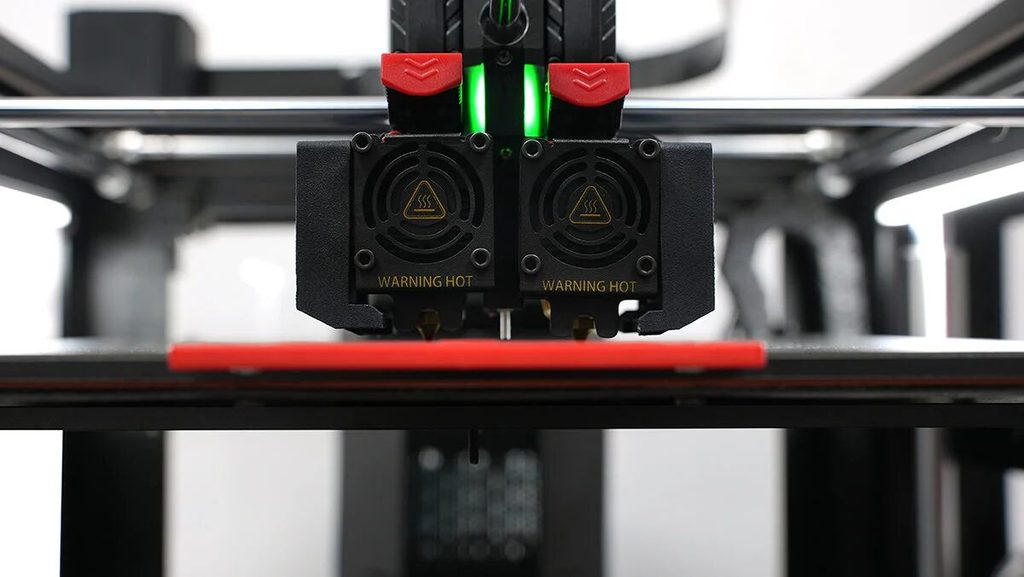
It’s still the familiar “cross-axis” frame structure and dual extruders, and the overall appearance and product approach continue the previous path. It wasn’t until 2024 that printing speed improved noticeably, and Raise3D still hasn’t caught up with mainstream multi-color and multi-head printing technology.
Of course, the Pro series, with its stable printing performance and enterprise-oriented product experience, allowed Raise3D to build its own brand recognition in the professional-grade FDM market.
But the industry has changed.
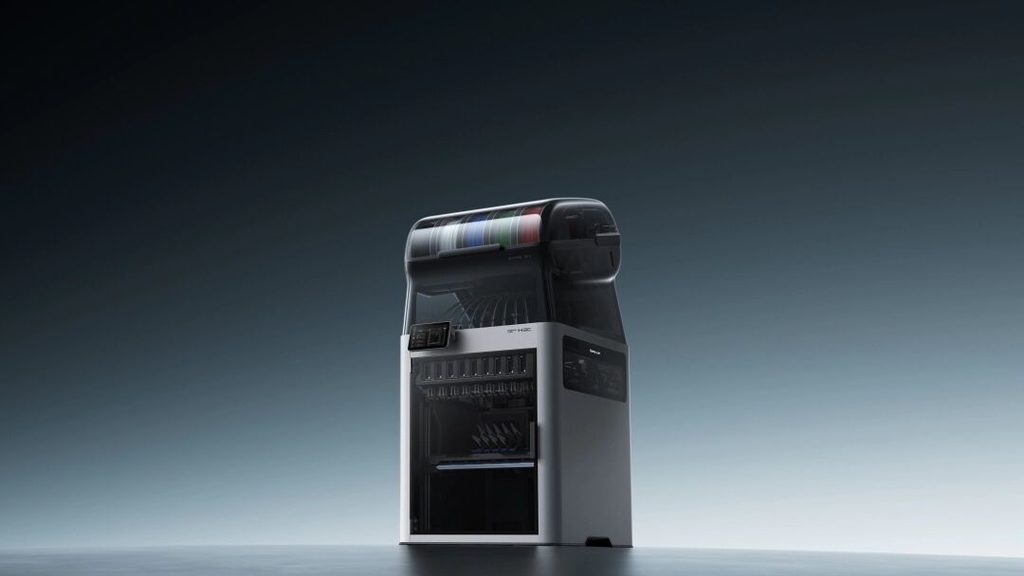
As consumer-grade equipment makes rapid breakthroughs in printing speed, automation, and multi-material printing, the original advantages of professional-grade equipment have been gradually leveled out.
On the other hand, price tags of RMB 30,000 to 40,000 are not low. When product competitiveness is insufficient and price lacks an edge, sales naturally decline.
02
Slamming the Table, Heading Upmarket, Targeting Industrial-Grade
As consumer-grade companies led by Bambu Lab slowly penetrated the professional-grade market, Raise3D couldn’t sit still, yet felt somewhat helpless. At one point, there were even reports that the company had laid off quite a few people.
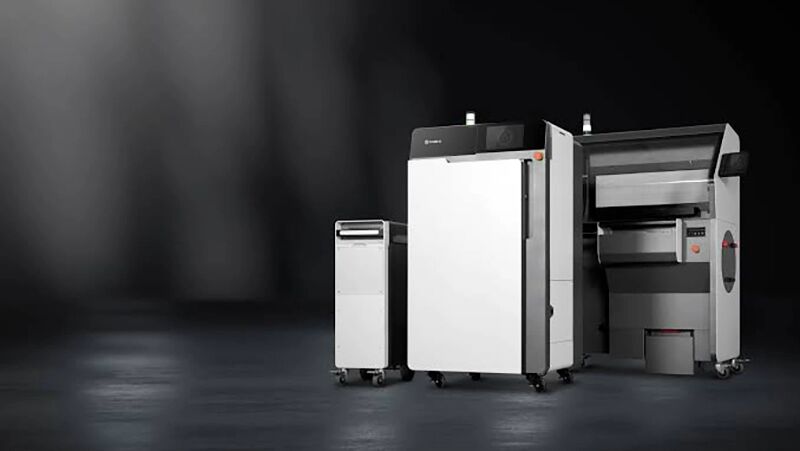
When outsiders were speculating whether Raise3D could keep going, it quietly stepped onto another track: selective laser sintering (SLS).
In 2025, Raise3D launched the industrial-grade SLS 3D printer RMS220, which won recognition from many users upon release. Revenue lost in the FDM track was recovered in the SLS field, giving the company a chance to recover.
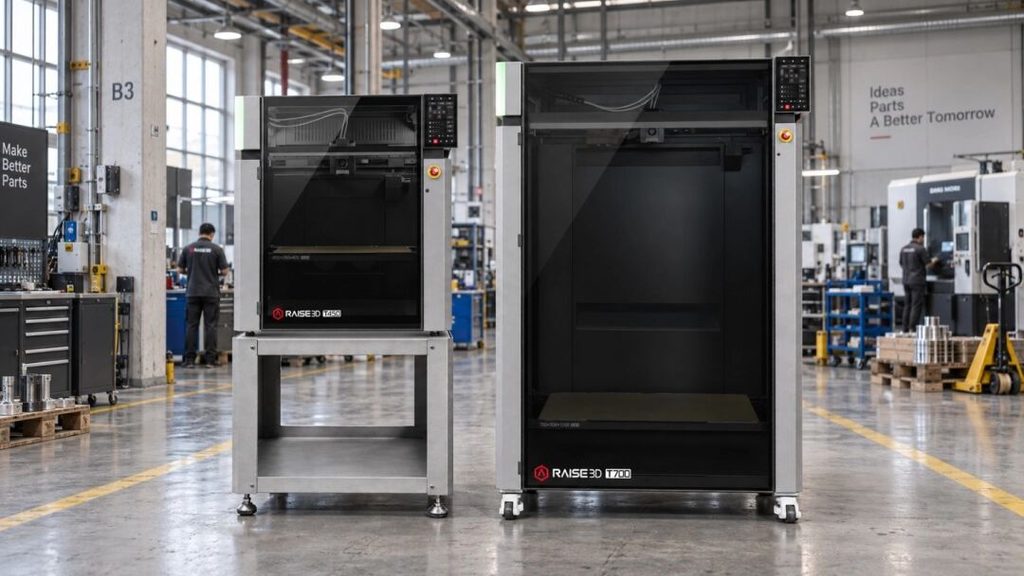
Meanwhile, for the core FDM track—should it continue the Pro series and launch a Pro4, or abandon the original product approach and build an entirely new series?
With the debut of two large-format FDM products, the T450 and T700, the answer was revealed:
Raise3D is making large-format industrial-grade FDM its new focus.
The two products are priced at RMB 32,999 and RMB 99,999 respectively, entering the new track with considerable sincerity.
03
Old Customers and a Good Reputation Remain Raise3D’s Confidence
Domestic users may not be particularly familiar with Raise3D, but among overseas professional users, the brand has always enjoyed good recognition.
In the early days, Raise3D competed on the same stage with brands like MakerBot and Ultimaker, and once gained the upper hand with stable printing performance and reliable product experience, accumulating a good reputation among overseas enterprise customers.
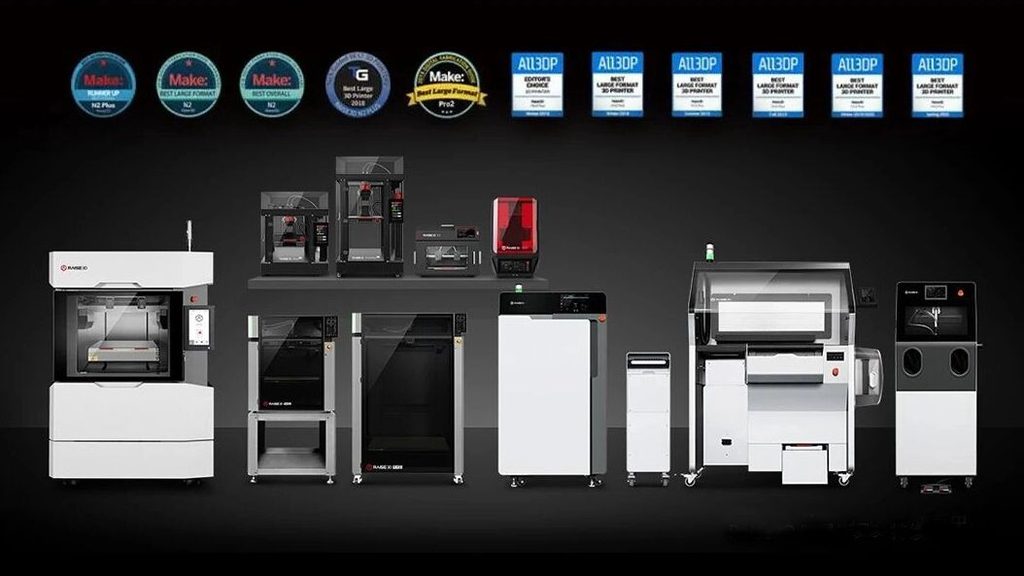
Even now, there are still old customers continuing to purchase the long-discontinued Pro2 product—you can imagine how high user loyalty is.
So as Raise3D continues its transformation toward the industrial-grade market, its existing customer resources and brand accumulation can still play a role. In particular, industrial customers who have already purchased SLS equipment also have demand for large-format FDM equipment, and the two technology routes can complement each other.
Compared with entering a completely unfamiliar market, the overseas customers, brand reputation, and channel resources accumulated in the past will become important confidence for Raise3D’s turn toward industrial-grade.
▍At Last
Raise3D is still Raise3D—it’s just slowly tearing the “professional-grade” label off itself and putting on a jacket called “industrial-grade.”
Since the 3D printing industry began, many companies have emerged, many have disappeared, and even more are still on the road. But at the fork in the road, everyone needs to make their own choice.
As long as you’re still at the table, there’s still a chance.
And this time, Raise3D has chosen to turn the ship around and sail upward against the wind.
 3dzyk