
 By tan, wenjie
 It is on the way: the new round of IPOs for AM companies

Recently, the stock prices of Bright Laser Technologies(BLT) and Farsoon Technologies have surged significantly, with their market capitalizations surpassing 30 billion RMB each. Many investors may still complain about the limited choices in “3D printing stocks.” However, as the new year comes, there is good news: several companies are expected to go public. This time, the path to listing is no longer limited to the STAR Market, as channels like the Beijing Stock Exchange and the Main Board of the Hong Kong Stock Exchange are also being actively pursued.
Over the past decades, the 3D printing industry has gradually transitioned from its initial phase of technological validation to one of industrialization and scale production. Whether in aerospace, energy, healthcare, dentistry, or consumer electronics, the application of 3D printing has been repeatedly validated. Its business model has long moved beyond mere “storytelling” to become genuinely practical, with real orders and clients.
It is projected that by 2025, the scale of China’s 3D printing market is expected to exceed 70 billion yuan. Against this backdrop, the increasing number of companies initiating preparations for IPO is a natural outcome of the industry’s development at this stage.
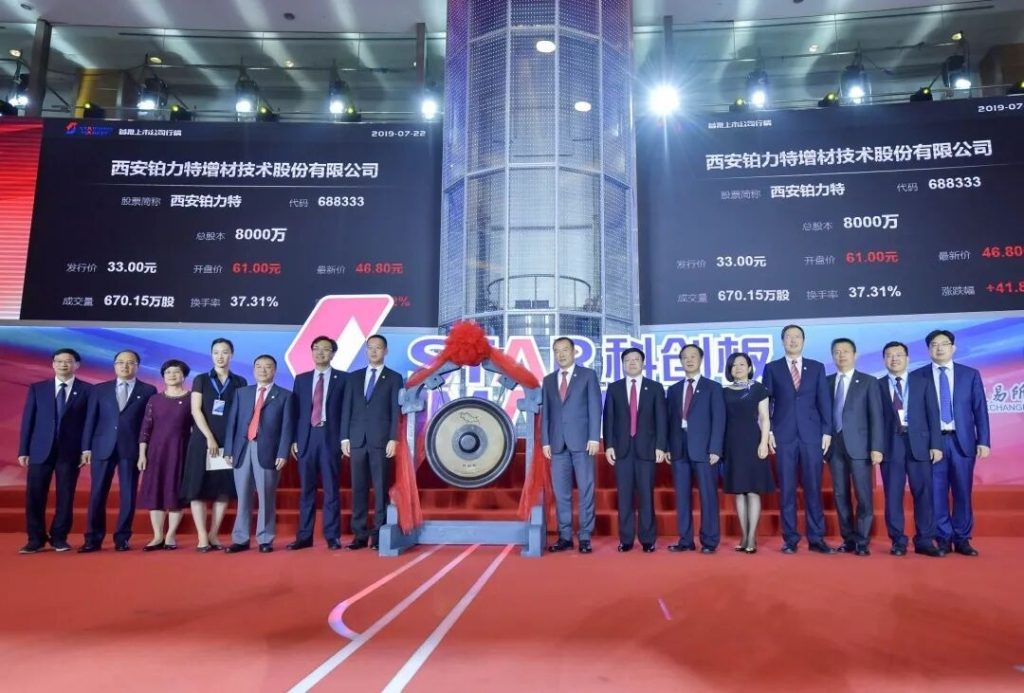
More importantly, the successful listings of BLT and Farsoon on the STAR Market have set a benchmark for the entire industry. This has proven to the market that 3D printing is not merely a field with “technological potential” but also a new manufacturing track with long-term growth prospects and sustainable valuation capabilities.
Now, many of these pioneering companies have already surpassed the threshold of 10 billion yuan in annual revenue, with increasingly stable profitability, truly entering a fast lane of healthy development.
Next, let’s take a closer look—which companies are most likely to achieve IPOs in 2026? Beyond them, who among the rapidly growing “second-tier” enterprises is quietly building momentum, ready to take the baton?
Eplus: The Next “Metal Printing” Star on the STAR Market
Hangzhou Eplus Additive Technology Co., Ltd. is an industrial-grade equipment enterprise specializing in metal 3D printing. Founded in 2015 and headquartered in the Xiaoshan District of Hangzhou, the company focuses on the research, development, and production of metal additive manufacturing equipment. It has established an early presence in the commercial aerospace sector, providing large-scale metal 3D printing solutions for critical components such as rocket engines.
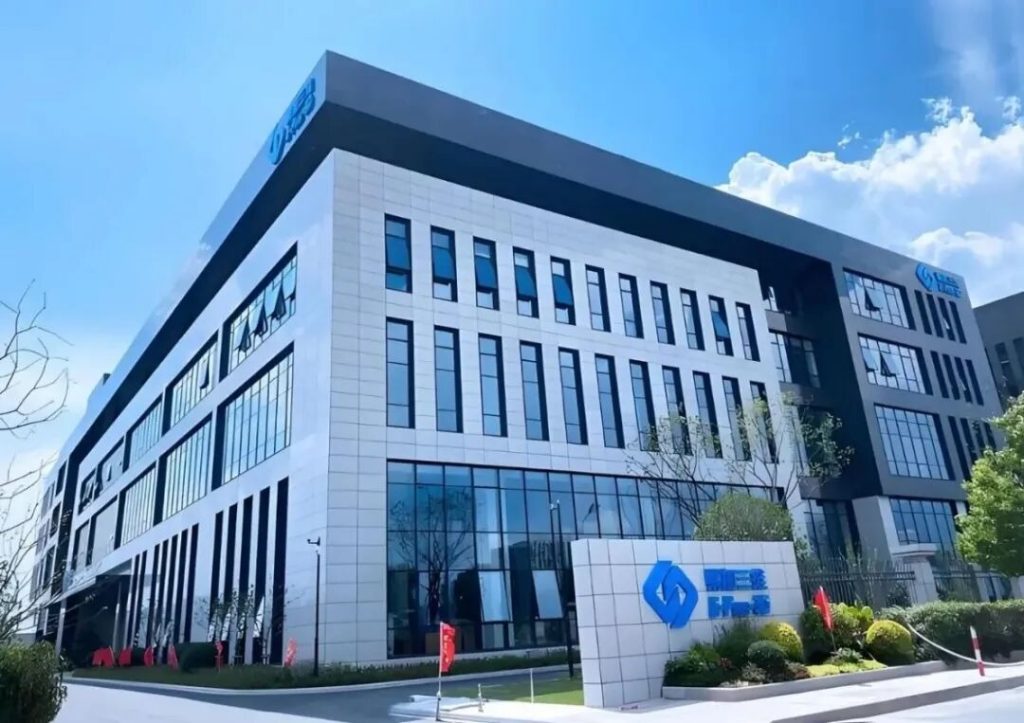
In June 2025, Eplus IPO application for the STAR Market was accepted, and the company entered the inquiry stage. Financial data reveals that the company’s revenue has grown significantly over the past three years, increasing from 247 million yuan to 471 million yuan, while net profit rose from 28.926 million yuan to 98.8134 million yuan, indicating a sustained improvement in profitability.
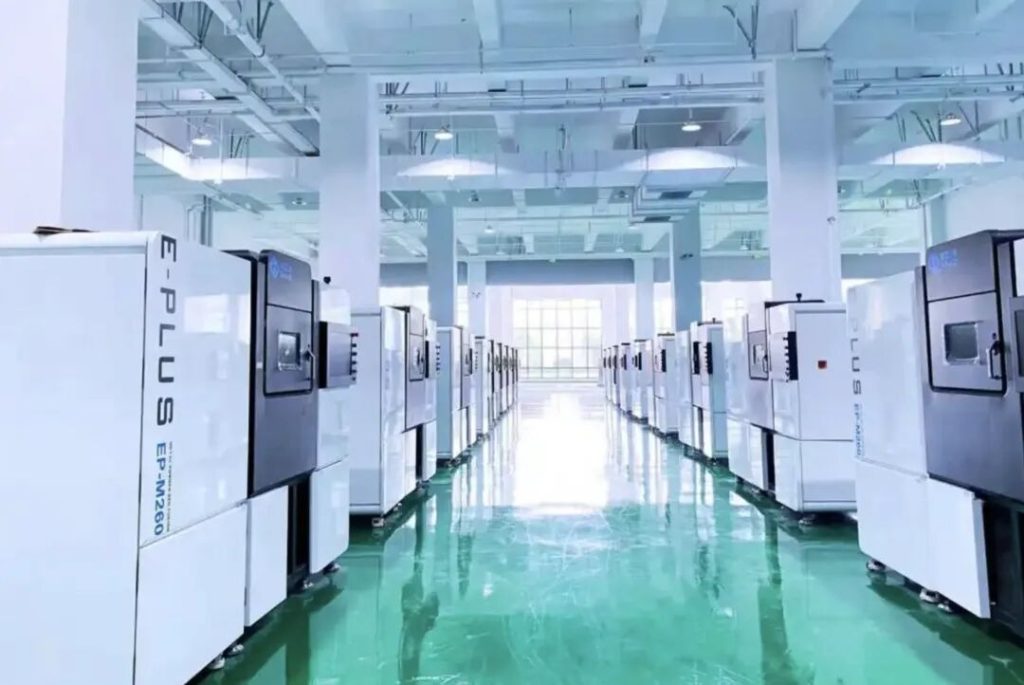
This IPO plans to raise approximately 1.205 billion yuan, primarily to be allocated toward expanding metal 3D printing production capacity, industrializing core equipment, establishing R&D centers, and building a technical service network. From a business perspective, Eplus Additive Manufacturing shares similarities with BLT and Farsoon in its focus on core metal 3D printing equipment—a direction already validated by the capital markets as mature.
In the current capital environment, which places greater emphasis on certainty, such industrial-grade manufacturing enterprises are more likely to gain recognition. Precisely because of this, Yijia Additive Manufacturing is widely regarded as the next 3D printing company with the potential to list on the A-share market.
Creality:The first consumer level IPO stock
Creat3D, founded in 2014, is a globally leading consumer-grade 3D printing enterprise. It has been recognized as a GEI China Unicorn, a National-level Specialized, Sophisticated, and Innovative “Little Giant”, and a National Manufacturing Single-Product Champion. With the research, development, and manufacturing of 3D printers at its core, the company covers both Fused Deposition Modeling (FDM) and Vat Photopolymerization (also known as resin or SLA) technical pathways. Its business extends into areas such as 3D scanning, laser engraving, consumables, and accessories, boasting a cumulative portfolio of over 800 patents.

Creality is headquartered in Shenzhen, with production bases spanning over 260,000 square meters in Wuhan and Huizhou. It has established overseas warehouses in countries such as the United States and Germany, and its products are sold in more than 100 countries and regions. From 2020 to 2024, the company cumulatively shipped approximately 4.4 million units, capturing 27.9% of the global consumer-grade 3D printer market.
Financial data shows that for the fiscal years 2022, 2023, 2024, and the first quarter of 2025, the company’s revenue reached ¥1.346 billion, ¥1.883 billion, ¥2.288 billion, and ¥708 million, respectively. Profits for the same periods were ¥104 million, ¥129 million, ¥88.66 million, and ¥81.56 million.
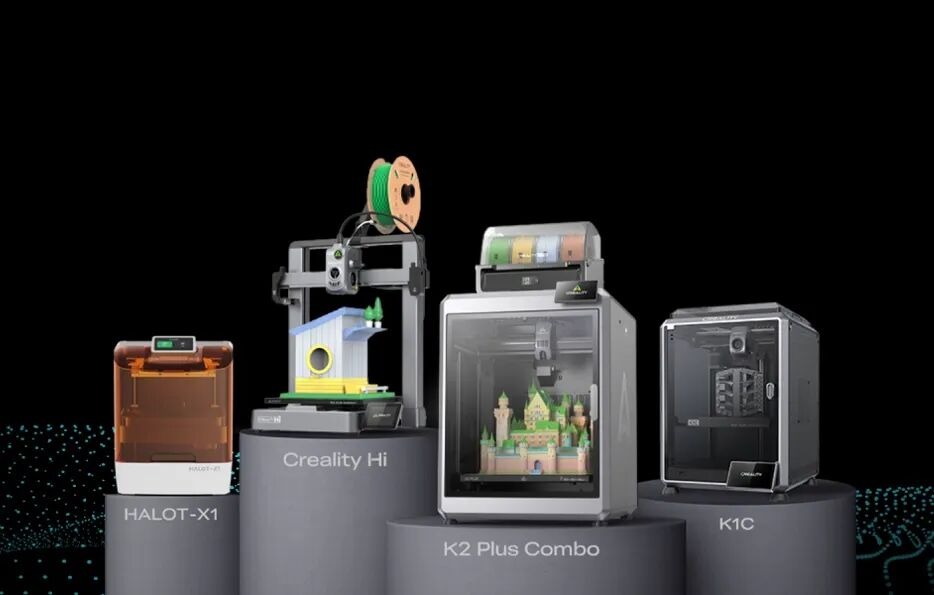
In August 2025, Creality officially submitted its prospectus to the Hong Kong Stock Exchange, planning for a Hong Kong listing. Compared to the path of the Science and Technology Innovation Board, which focuses more on industrial-grade equipment, Creality represents another capital logic in consumer-grade 3D printing—centered on large-scale shipments, global channel deployment, and product ecosystem development. If this listing succeeds, its significance will extend beyond fundraising itself, as it is likely to become the “first stock” in the consumer-grade 3D printing field, opening the door to the capital market for this entire sub-sector.
Shining3D:The hidden champion aside of AM
Shining 3D Tech Co., Ltd. (先临三维), founded in 2004, is a national-level manufacturing “single product champion” enterprise and a national-level specialized, sophisticated, and Innovative “Little Giant” Enterprise Award in the field of 3D scanning technology. The company has long focused on the research, development, and application of high-precision 3D scan software and hardware. Its core business covers 3D scanning, 3D vision measurement, and dental digital solutions.
In 2024, the company achieved an operating revenue exceeding 1.2 billion yuan, with a net profit of approximately 159 million yuan. Revenue for 2025 is projected to exceed 1.5 billion yuan, demonstrating stable operational performance.

Shining 3D Tech Co., Ltd. is headquartered in Hangzhou and maintains subsidiaries in Chengdu, Tianjin, Hong Kong (China), as well as Stuttgart (Germany), California and Florida (USA), and Tokyo (Japan). The company’s headquarters campus occupies 64 mu (approximately 4.27 hectares) of land, with a total floor area of nearly 140,000 square meters.
The company was listed on the New Third Board (NEEQ) in 2014 and formally submitted an application for listing on the Beijing Stock Exchange in December 2025.
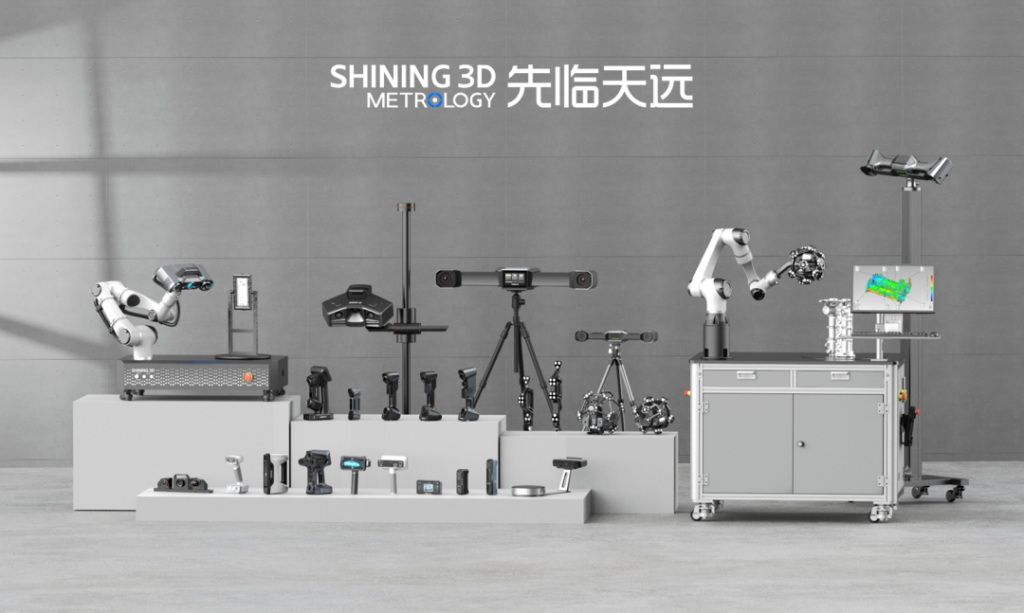
According to the announcement, Shining 3D plans to issue no more than 20 million shares to unspecified qualified investors, aiming to raise approximately 550 million yuan. The funds will be primarily allocated to the development of industrial 3D vision measurement, high-precision 3D vision algorithms and core modules, as well as high-precision digital solutions for dental implantation.
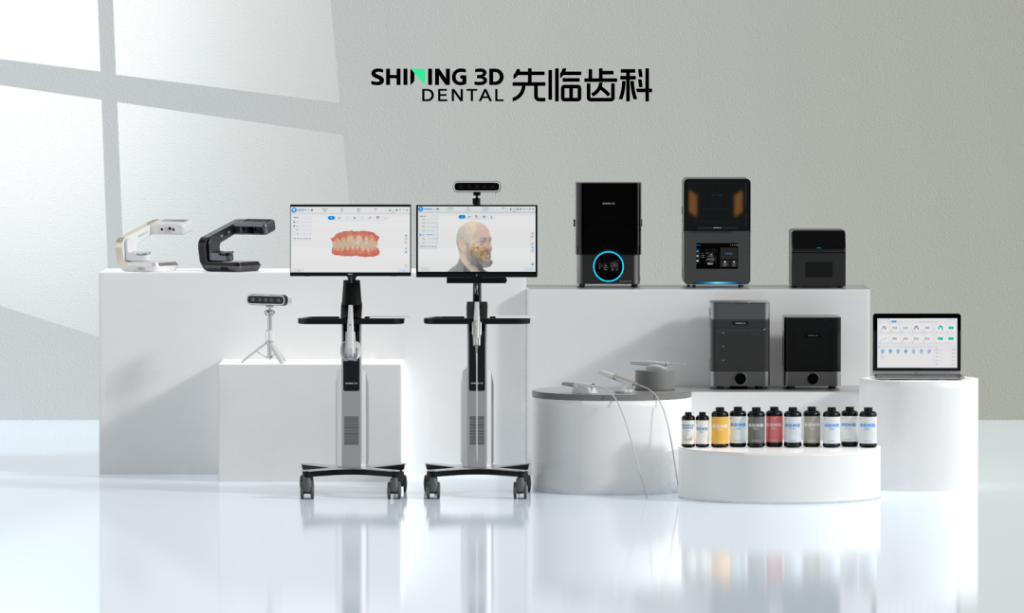
Unlike companies focused on 3D printing hardware selling, Shining 3D’s involvement in the 3D printing field is primarily concentrated on dental applications. Its core strength lies in the acquisition, measurement, and digital processing of 3D image data, positioning it along a typical “manufacturing digitization” path.
This fact further demonstrates that the capital market’s scope for the 3D printing-related industry expresses beyond hardware, continuously extending into 3D data, algorithms, and digital manufacturing systems.
Indeed, in addition to the several companies mentioned earlier that have entered the application or acceptance stage, there is a group of companies in the 3D printing sector currently undergoing IPO counseling, forming a “reserve force” of potential listed enterprises for 2027–2028. These include UnionTech, Guanghua Weiyee (eSUN), Yuding Additive, BMF, and Polymaker.
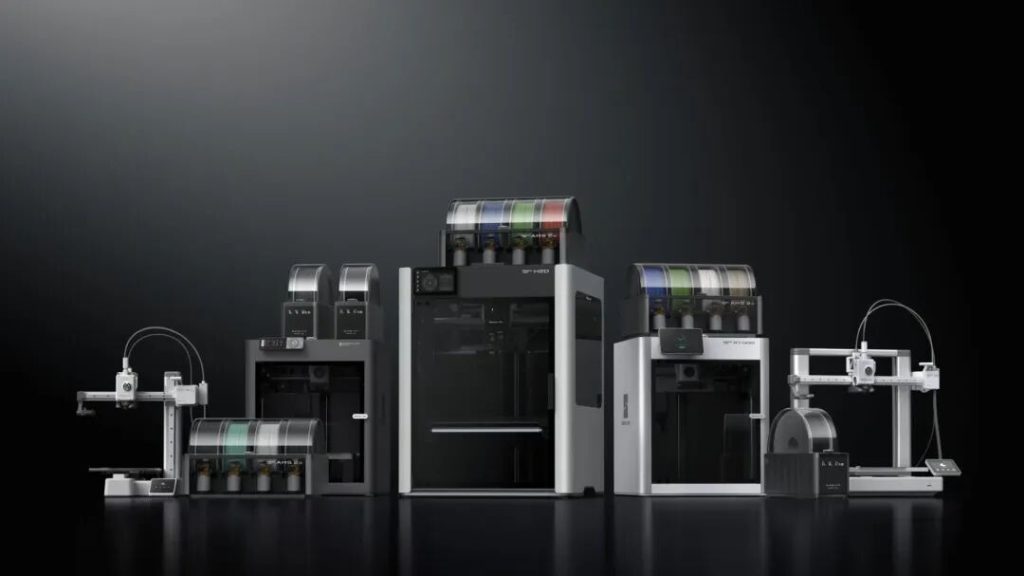
At the same time, there are still many enterprises in the industry that, while not yet officially initiating an IPO process, possess comparable strength in terms of scale, technology, or market influence. These include Bambu Lab, Kings3D, Soonsolid, Elegoo, Anycubic, and HeyGears.
When the market performance of already listed companies can “stand firm,” the window for later entrants to go public naturally opens.
In 2026, the 3D printing industry is no longer merely “waiting to be discovered” but has truly stepped into the spotlight of capital valuation.
Who will become the next successfully listed 3D printing company? The answer is becoming clearer and clearer now.
 li, chen