
 By li, chen
 Equipment operating at full capacity, production lines running non-stop — 3D-printed aviation parts orders are about to “explode”(爆单)

According to data from the China Aerospace Industry Quality Association(CAIQA), from 2015 to 2021, the market size of China’s commercial aerospace sector surged from 376.4 billion CNY to 1,244.7 billion CNY, with a compound annual growth rate of nearly 20%. Entering 2026, the commercial aerospace sector is experiencing a notable upturn.
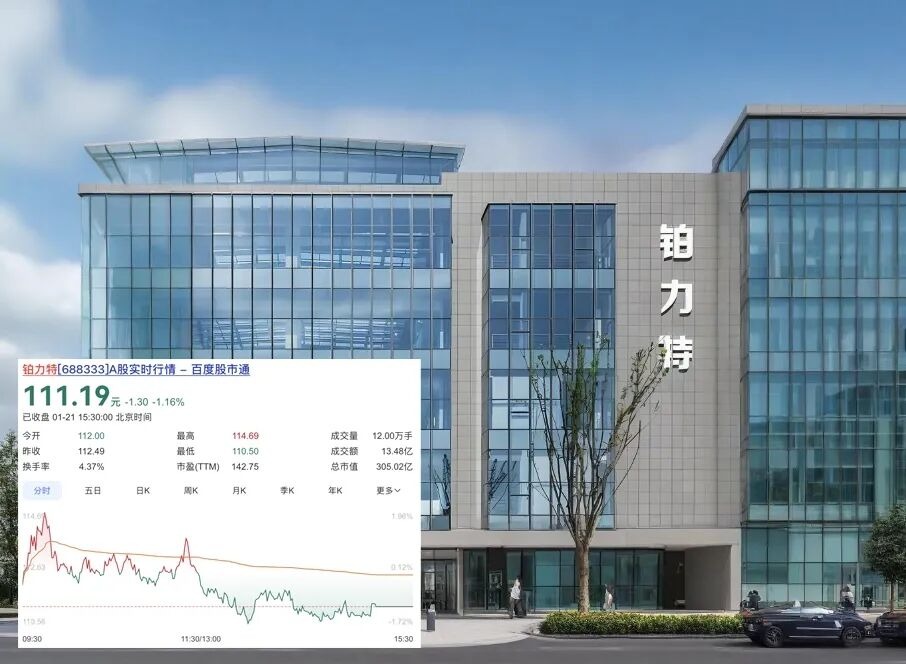
The most direct reflection comes from the stock market. From the perspective of the 3D printing industry, the market capitalization of two listed companies, BLT and Farsoon, has both surpassed the 30 billion CNY milestone. It is worth noting that both serve as key suppliers to several commercial rocket companies.
In a broader context, commercial aerospace stands at a critical juncture. The first notable changes are occurring at the policy level.

The 2025-2027 Commercial Aerospace Plan Announcement
In November 2025, the China National Space Administration (CNSA) officially issued the Action Plan for Promoting High-Quality and Safe Development of Commercial Space (2025-2027). This plan explicitly incorporates commercial space into the national overall space development strategy and, for the first time, proposes establishing a dedicated Commercial Space Department to manage the regulation
This signifies that China’s space development model is transitioning from a primarily single-system approach led by the “national team” to a new phase of collaborative development involving the “national team + private individuals.”
In other words, commercial space is no longer solely centered around national missions. Instead, market-oriented private enterprises are now deeply involved, taking on an increasing number of engineering and commercial roles.
From a technical perspective, commercial space is also approaching a critical tipping point.

On one hand, at the end of last year, LandSpace’s Zhuque-3 reusable launch vehicle successfully launched into orbit; and in 2026, several other reusable rockets are scheduled for their maiden flights, including Galactic Energy’s “Shenxing1,” Deep Blue Aerospace’s “Nebula1,” and i-Space’s “Hyperbola3.”
On the other hand, with the advancement of key projects like the Wenchang Super Factory, commercial satellite production is gradually transitioning from “project-based development” to a new phase of factory-style, batch production.
Compared to policy, the more immediate pressure comes from market-driven time constraints.

Not long ago, China submitted an application to the International Telecommunication Union (ITU) for frequency and orbital resources for an additional 203,000 satellites. According to the “first-come, first-served” rule, these resources must be launched within a specified time frame after application, otherwise, they face the risk of expiration.
Frequency and orbital slots are non-renewable strategic resources, which directly imposes a clear and urgent launch demand on the commercial aerospace supply chain.
As China’s commercial aerospace sector enters a high-density launch cycle, the construction of low Earth orbit satellite constellations is significantly accelerating. This not only means an increase in the number of launches but also requires the entire R&D, manufacturing, and supply chain to keep pace accordingly.
China Commercial aerospace industry is just picking up
In fact, low-cost, high-capacity reusable launch vehicles are still in a critical phase of verification. The core capabilities that will ultimately determine the long-term cost structure of commercial aerospace have not yet been fully proven.
During this process, the responsiveness and flexibility of the manufacturing sector have become key variables determining success or failure.
This is precisely why your earlier mention of the “Wenchang Super Factory” and companies like BLT and Farsoon is highly pertinent. As core suppliers, their ability to meet the demands for rapid iteration, flexible production, and mass manufacturing in components such as rocket engines and satellite structures will directly impact whether the entire industry can keep pace with the “time constraints” imposed by orbital resource allocation.
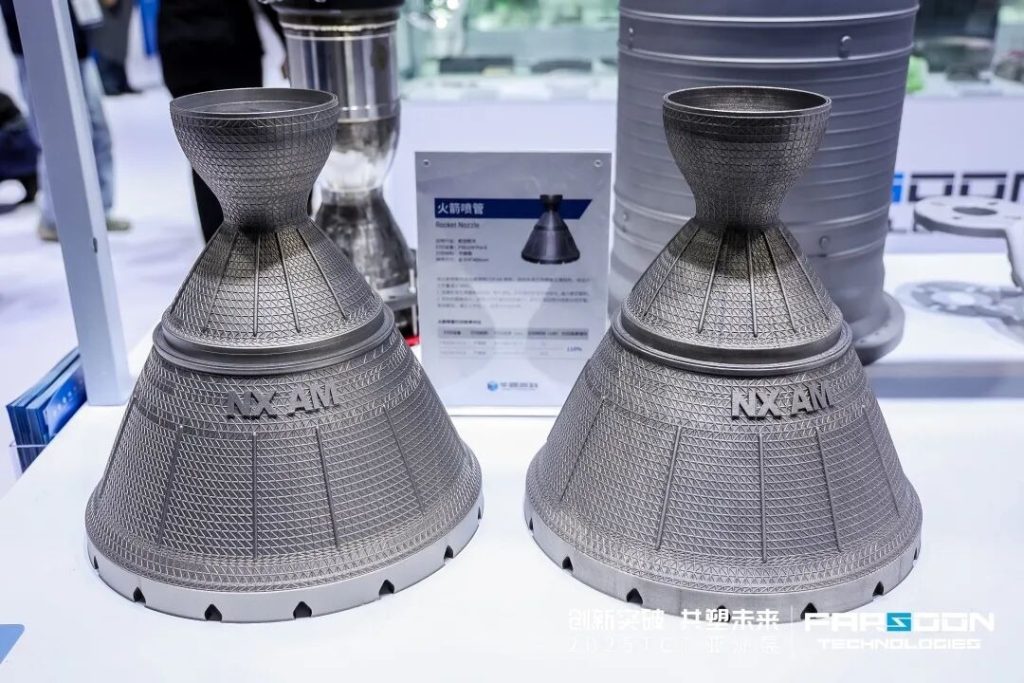
Precisely because of this, 3D printing is gradually becoming an indispensable core method in rocket manufacturing. Its value is particularly prominent in the most structurally complex and demanding area—rocket engines.
On one hand, this is due to the inherent complexity of the structures.
Core components such as combustion chambers, injectors, and cooling channels often feature highly intricate three-dimensional internal flow path designs. Traditional machining not only involves tedious procedures and low yield rates but also requires extensive welding and assembly. Any defects incurred can come at an extremely high cost.
On the other hand, it stems from changes in the R&D cycle.
Commercial aerospace is not a “decades-long, one-rocket” research project but highly emphasizes rapid iteration, rapid testing, and rapid failure. With frequent adjustments to engine models and constant revisions to design parameters, the manufacturing method must keep pace with this rhythm.
In this context, the advantages of 3D printing are further amplified: complex structures can be formed in a single process, the number of parts is significantly reduced, and integrated structures also bring simultaneous improvements in performance and consistency.
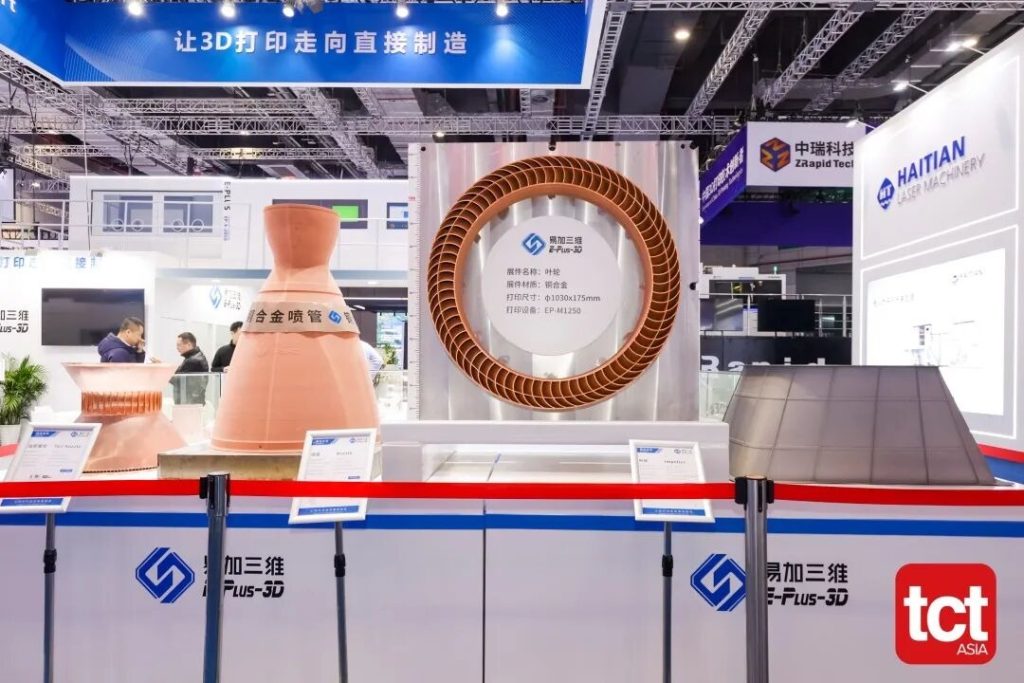
Indeed, leading domestic commercial aerospace companies, such as LandSpace’s Zhuque-3 TQ series engines, Tianbing Technology’s Tianhuo series engines, Galactic Energy’s Ceres upper stage orbit and attitude control engines and Shenxing CQ series engines, as well as CAS Space’s PE series engines, have all widely adopted metal 3D printing technology.
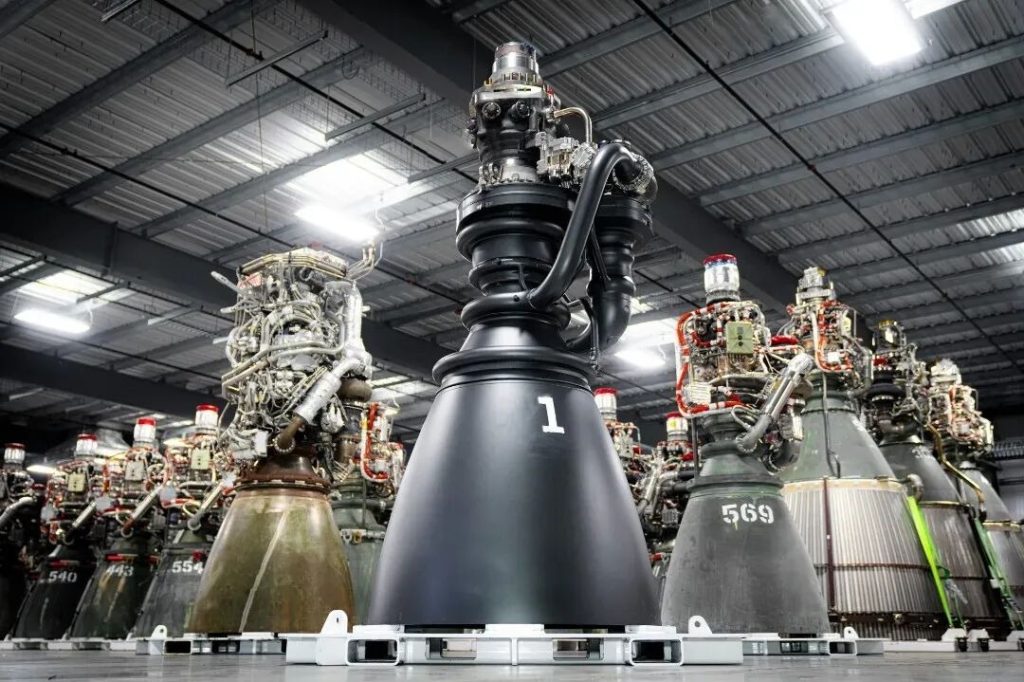
Indeed, SpaceX serves as a benchmark in this regard. As early as 2024, when the first Raptor 3 rocket engine rolled off the production line, Elon Musk claimed that SpaceX possessed the world’s “most advanced metal 3D printing technology.”
In the past, for a considerable period, the use of 3D printing in the aerospace field was largely in demo and test stages. However, as engine components have gradually evolved from experimental prototypes to core flight parts, 3D printing is undergoing a clear transformation in its role—transitioning from a supplementary process to a critical manufacturing method.
AM is growing as Aerospace is growing
At the upstream materials end, demand for high-temperature alloys, titanium alloys, and copper alloys has significantly increased. This imposes higher requirements on powder consistency, batch stability, and long-term supply capacity, while also directly driving material enterprises to expand production capacity to meet market demand.

Previously, as one of the representative companies in the metal powder field, ZT New Materials(Powder) accelerated its expansion efforts. Its new factory, scheduled for operation by the end of the year, is expected to add an annual production capacity of over 8,000 tons, further enhancing material supply capabilities for high-end manufacturing sectors such as aerospace.
On the equipment side, the commercial aerospace industry’s requirements for stability and repeatability are driving further upgrades in industrial-grade metal 3D printing equipment. Multi-laser systems, large-format machines, and automation are gradually becoming essential. Meter-scale equipment will increasingly enter production workflows, and process parameters are shifting from “experience-based accumulation” to systematic, database-driven management.
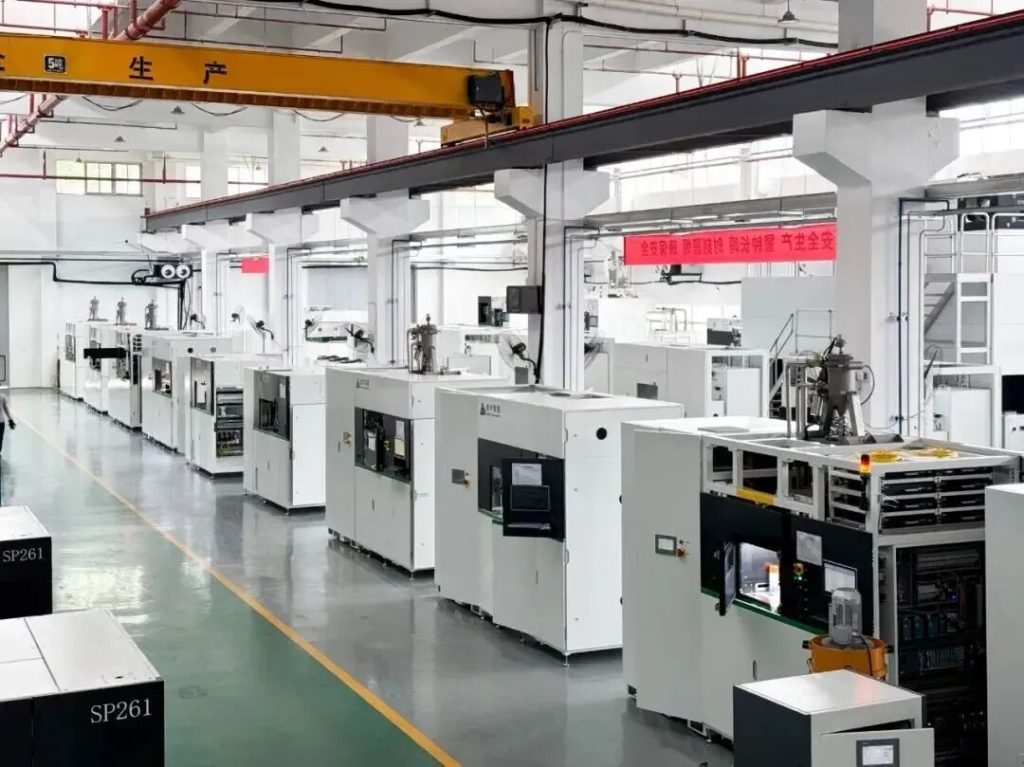
Previously, AMpro signed a strategic procurement contract worth several hundred million CNY, involving over 100 large metal 3D printing devices, with super-meter-scale equipment accounting for about half. This is primarily aimed at high-end application fields such as aerospace, low-altitude economy, and commercial space, further unleashing the potential for equipment demand within the supply chain.
Lastly, we would like to say that 3D printing has come this far largely thanks to the aerospace application sector, especially for industrial-grade 3D printing. The past few years have resembled a phase of technological accumulation and market cultivation from zero to one. Now, driven by sustained national-level efforts, the application of 3D printing in commercial aerospace is entering an acceleration period.
In the past, only a few companies like BLT and Farsoon led the way in this industry. Looking ahead today, we have reason to believe that more outstanding enterprises of the “BLT” and “Farsoon” type will emerge in this trillion-yuan aerospace wave in the future.
3D Printing is in full speed now, Consumer+Industrial
According to the latest data from the General Administration of Customs, China exported a total of 5.03 million 3D printers in 2025, with an export value reaching CNY 11.354 billion, surpassing the CNY 10 billion mark for the first time. This marks a phased victory for consumer-grade 3D printing, as an increasing number of 3D printing devices are rapidly entering ordinary households.
The continued growth in aerospace will undoubtedly propel industrial-grade 3D printing to a higher level.
From the perspective of industry media, we are more inclined to say—this may truly be the pivot point for industrial-grade 3D printing.
By 2026, will Eplus3D become another shining “metal printing” name on the Science and Technology Innovation Board (STAR Market)?
Perhaps, we will soon have the answer. And who will be next?
Editor: Li Chen
E: lichen@3dzyk.com