
 By li, chen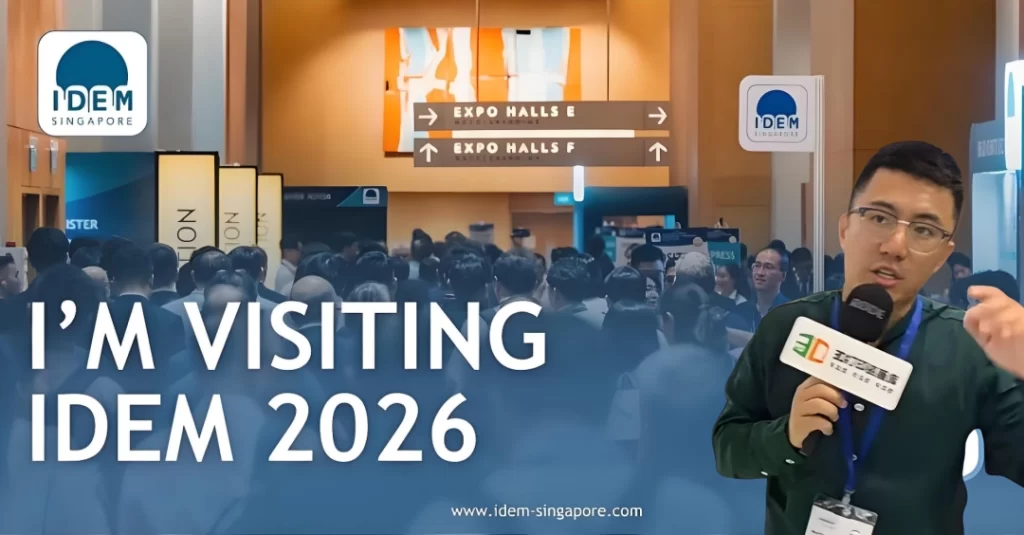
Chapter 1: The Prologue — Digital Dentistry: From “Future Concept” to “Chairside Infrastructure”
Last Saturday, I (3Dzyk) navigated through the Sands Expo & Convention Centre in Singapore for IDEM Singapore 2026, the most influential dental exhibition in the Asia-Pacific region. As a pivotal hub for South Asia, the event exuded a unique atmosphere: high focus, high professionalism, and extreme “de-foaming” (the removal of hype). Inside the halls, grand philosophical speeches were absent. Instead, the air was filled with the hum of high-speed equipment, the glow of curing printers, and deep clinical discussions held by dentists from Malaysia, India, Sri Lanka, and Oceania over specific patient models.
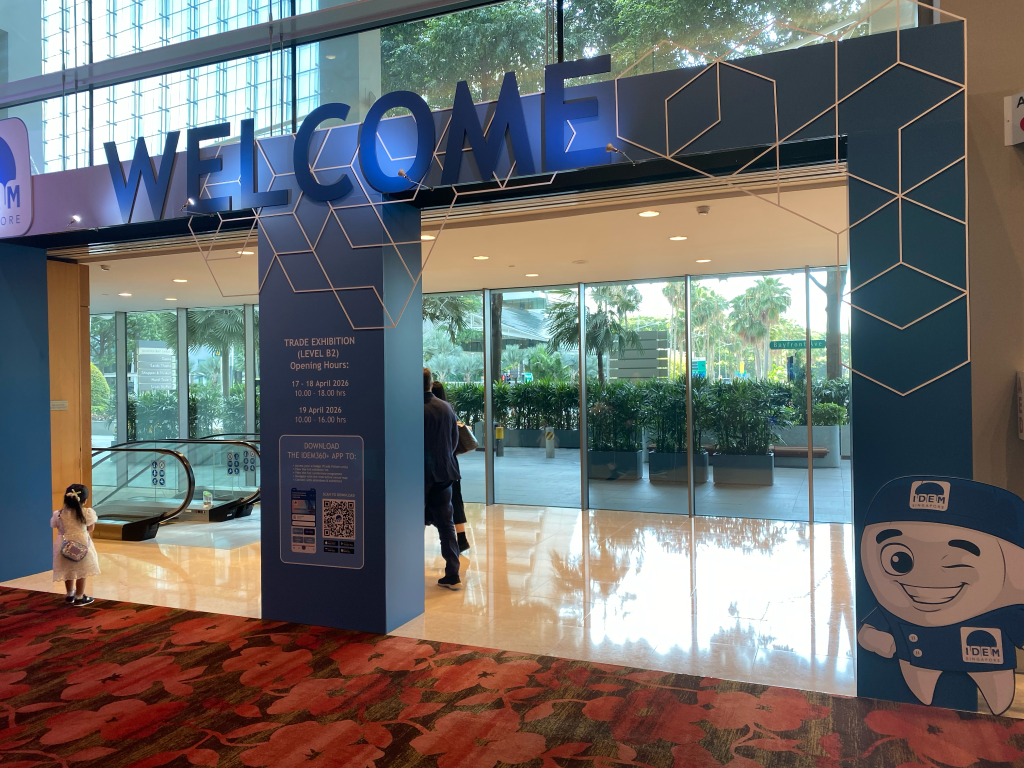
A profound realization emerged: digital dentistry has transitioned from an expensive gimmick to a mature productivity tool. 3D printing is no longer a mere exhibit; it is infrastructure embedded in clinic workflows that dictates diagnostic efficiency. While the concurrent dental forum in Istanbul diverted some manufacturers, choosing Singapore remains a “priority pass” for future top-tier European exhibitions. On this stage, technical diversity is flourishing.
Chapter 2: Deep Profiling of Vertical Tracks — Five Core Evolutions of the Digital Closed-Loop
By reviewing representative brands at IDEM, we can clearly outline the evolutionary logic of current dental 3D printing:
- Materials Science in the “Deep Water” Zone: At the JAMGHE booth, the importance of R&D as a foundation for the digital loop was evident. A veteran in resin and filament since 2015, JAMGHE demonstrated that the challenge isn’t making the machine move, but controlling shrinkage and biocompatibility. Their dental elastomers and ceramic samples represent two extremes: one seeking ultimate flexibility and biological feedback, the other pursuing extreme hardness and translucent aesthetics. Ceramic samples signal a transition from temporary to permanent restorations, requiring mechanical strength comparable to natural teeth.
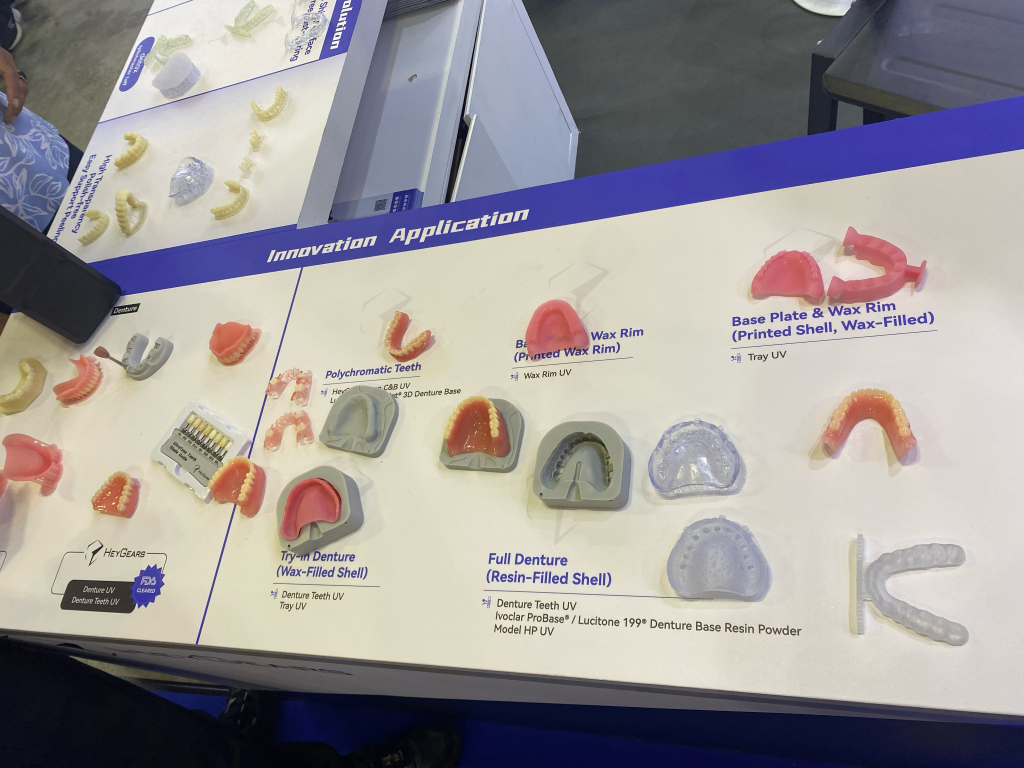
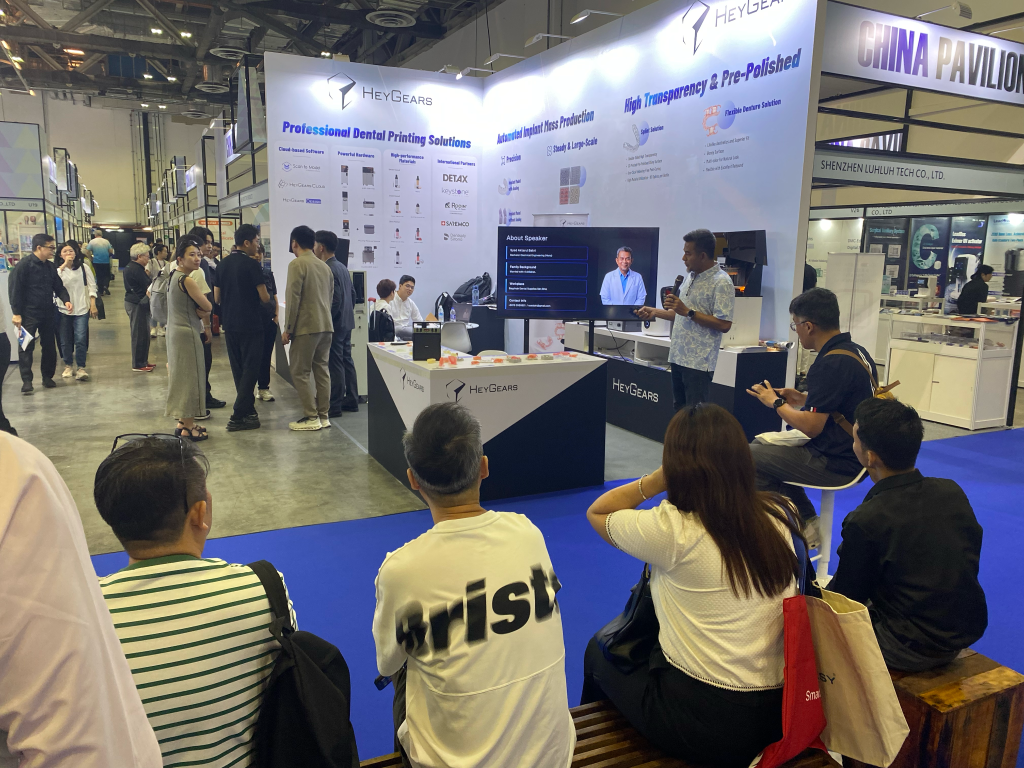
- Restructuring the Full-Stack Workflow: HeyGears was not just a hub of popularity but a center for digital logic. Their core contribution is transforming 3D printing from an isolated device into a closed-loop system. Through deep hardware-software coupling—from oral scan data import and automated nesting to auto-matched printing parameters and standardized post-processing—they have “de-skilled” the operation. This allows clinic staff to produce high-precision clinical results, upgrading clinic capacity from manual labor to industrial-grade output.
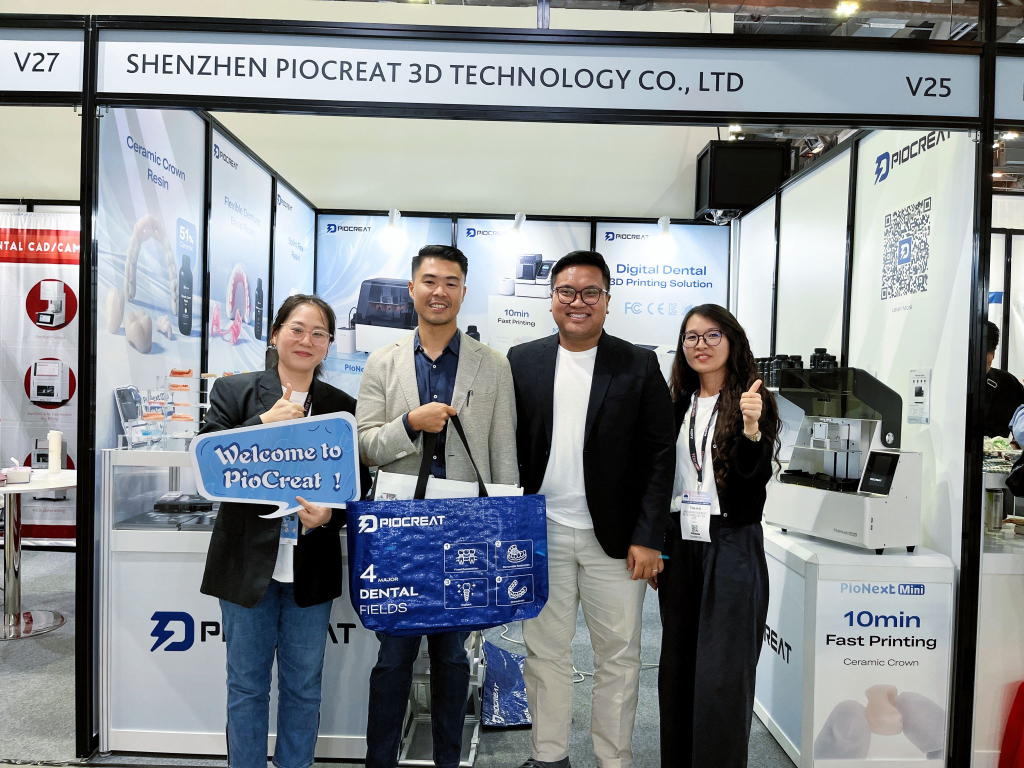
- The Singularity of Clinic Accessibility: PIOCREAT (a Creality brand) demonstrated the power of digital democratization. Their massive LinkedIn following reflects a global hunger among small-to-medium clinics for digital transformation. By balancing cost-effectiveness with ease of use and leveraging large-scale supply chain advantages, PIOCREAT has lowered the barrier to entry. This “dimensionality reduction” strike allows clinics in Southeast Asia to experiment with digital tools at low risk, raising the overall standard of primary oral healthcare.
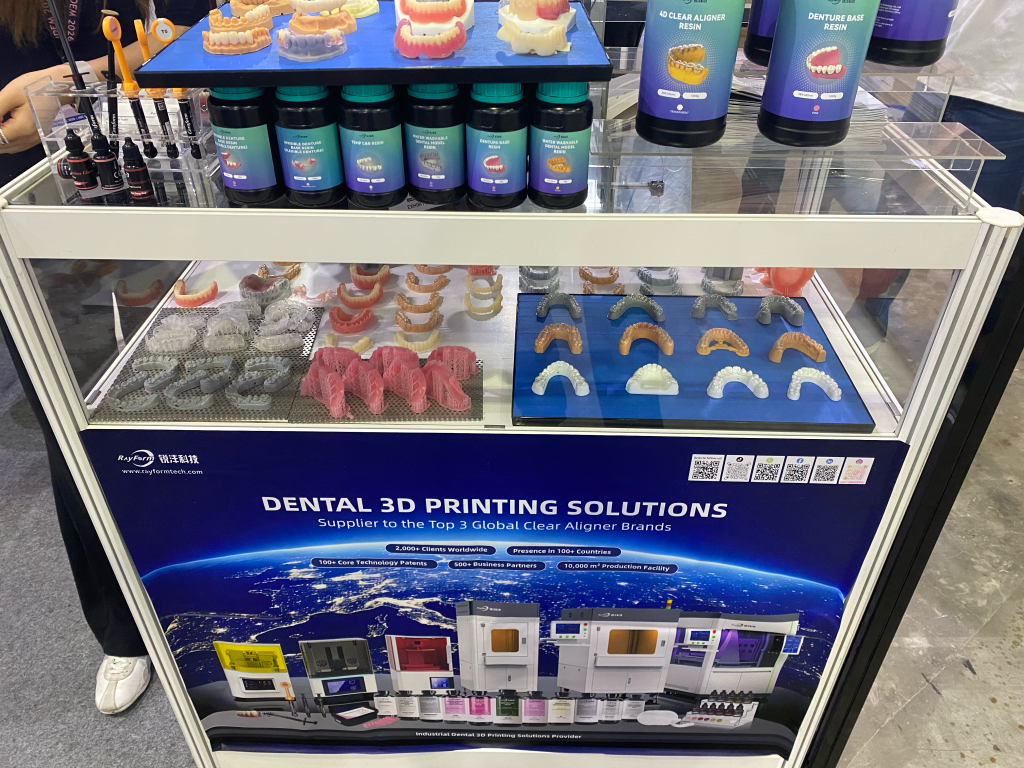
- Industrial-Scale Mass Production: Rayform (锐沣科技) showcased the raw power of 3D printing in mass production. Their focus is on high speed, batch processing, and automation. Rayfong addresses the paradox between personalized customization and low-cost scaling. By automating the flow, complex products like clear aligners and implant models can be delivered rapidly, making them highly attractive to large-scale dental institutions seeking high throughput.
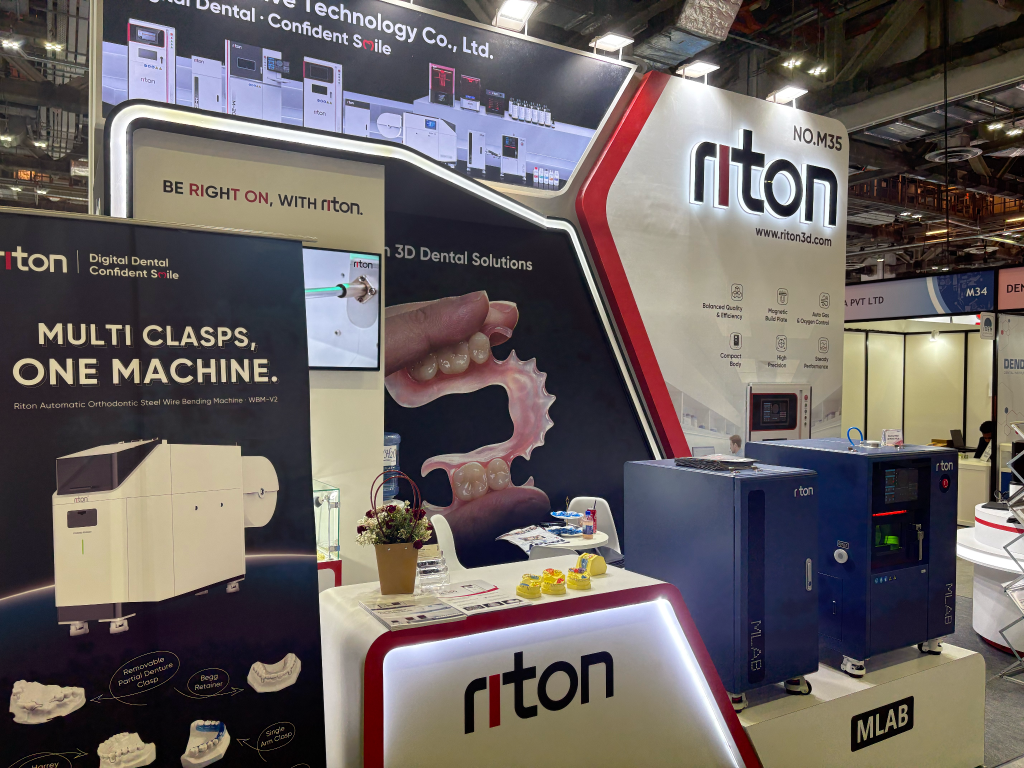
- Evolution of Composite Manufacturing: Riton, a seasoned industry leader, broke the limitations of single-technology approaches with solutions combining resin and desktop metal printing. By condensing complex industrial metal additive manufacturing into desktop-sized devices suitable for clinics, Riton has expanded the boundaries of digital dentistry. Metal frameworks and crowns that once required outsourcing can now be produced in-house, shortening delivery cycles from days to hours.
Chapter 3: Clinical Warmth — Listening to Dr. Syed’s “Flexible Revolution”
At the HeyGears booth, Malaysian dental expert Dr. Syed Aktarul Bakri shared insights that returned technology to its human roots. He argued that patient experience is the ultimate metric of technical success.
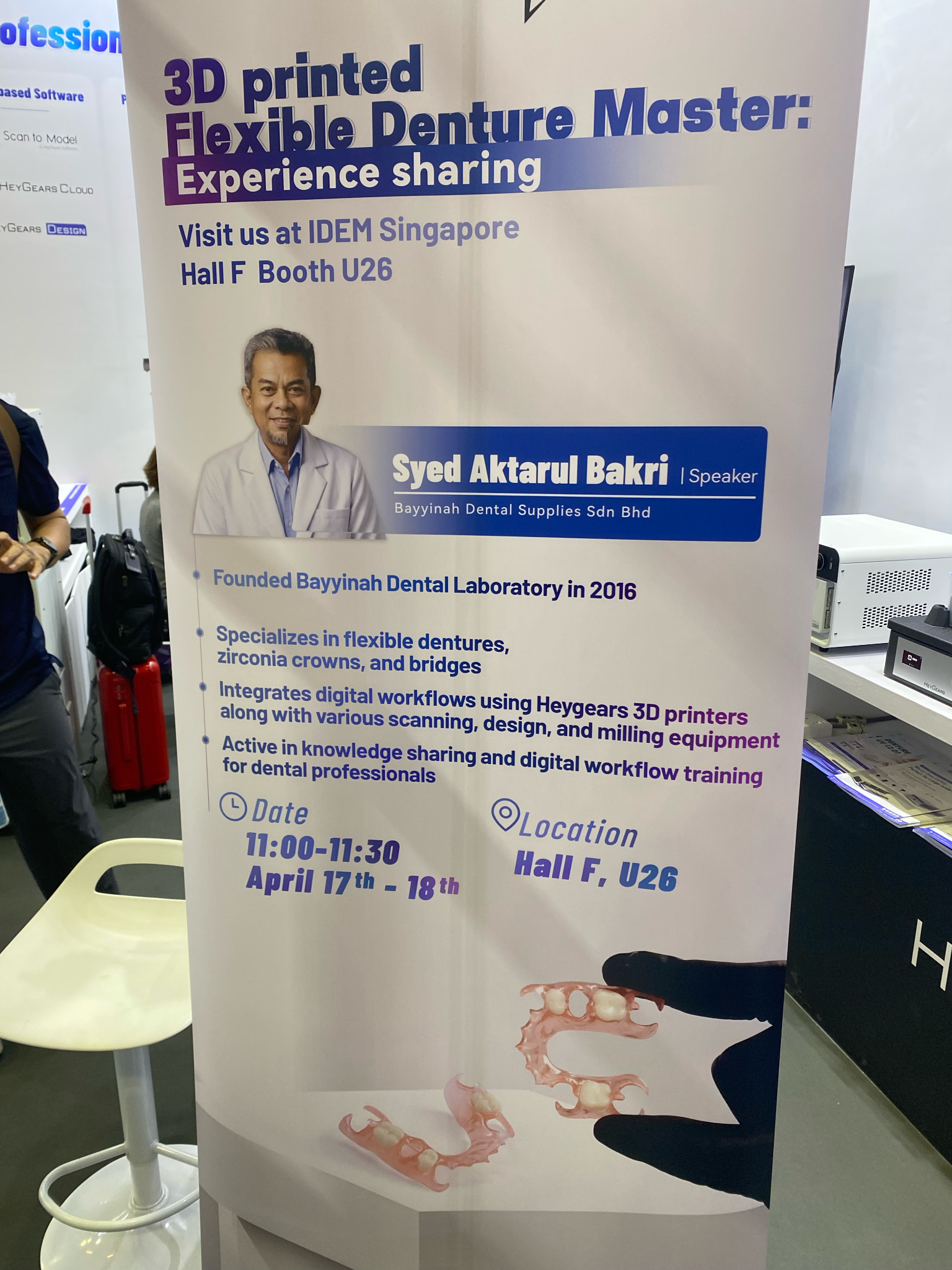
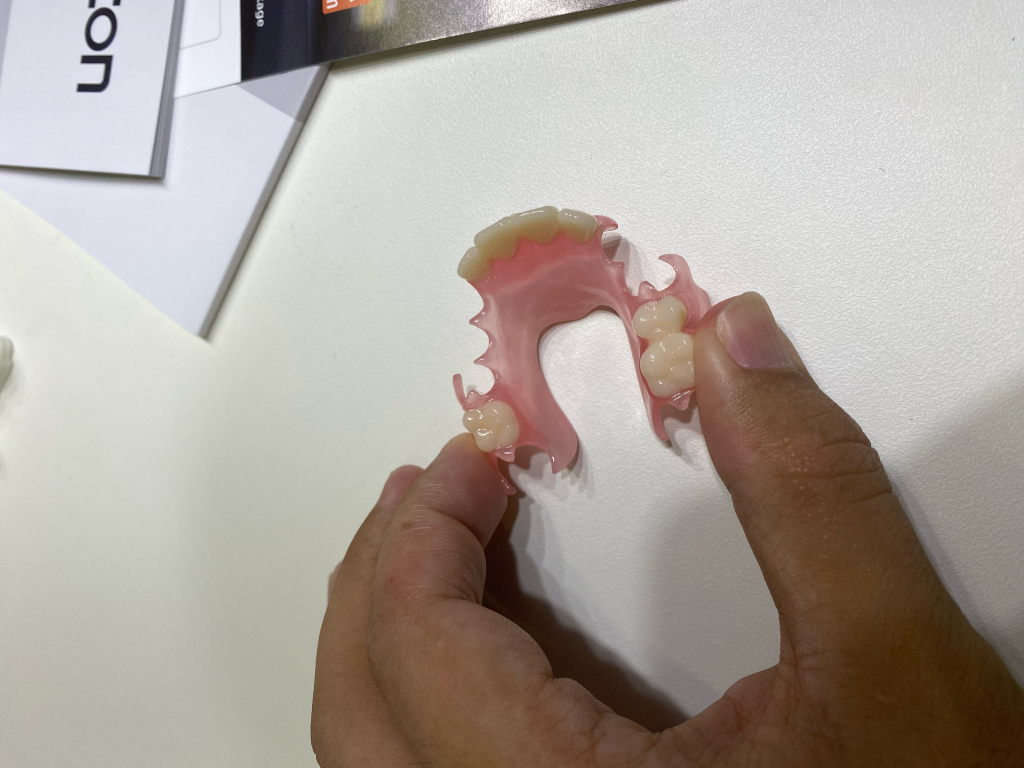
Dr. Syed emphasized the practical value of elastomer dental models. Traditional rigid models often cause discomfort or trauma during try-ons due to sharp edges or lack of “give.” High-performance elastomers allow for soft-tissue models that mimic real gums. This tactile realism provides doctors with authentic pressure feedback during denture fittings—feedback traditional hard models cannot offer. Dr. Syed noted that this simulation reduced his chair side adjustment time from 30 minutes to just 5 minutes. More importantly, patients feel more trust in a digital plan when the models feel warm and lifelike rather than cold and rigid.
Chapter 4: Geopolitical Value — Singapore: The “Southward Window” for Digital Dentistry
Why do the world’s top dental powers gather at IDEM? First, the radiation effect: buyers from India, Indonesia, and Oceania treat Singapore as their technological lighthouse. Standards set here often become regional benchmarks. Second, authority and priority: IDEM is an academic high ground. Gaining recognition here serves as a prerequisite for global stages like IDS in Germany.
Chapter 5: Conclusion — A Hundred Schools of Thought, Aiming for the Depths of Dentistry
Leaving the Sands, I felt that dental 3D printing is in a golden age of competition. From a decade of material refinement to the simplification of chairside workflows, and from automated mass production to the clinical warmth of elastomers, digital dentistry has moved past the “hype” and is marching steadily along vertical tracks. This is no longer just a race of technology, but a competition of clinical understanding.
3Dzyk will continue to monitor this sector, recording every leap that makes dentists more composed and patients more comfortable.