
 By 3dzyk
 M1 & R1 Go Viral: Creality Continues Its Role as a 3D Printing Industry Evangelist.
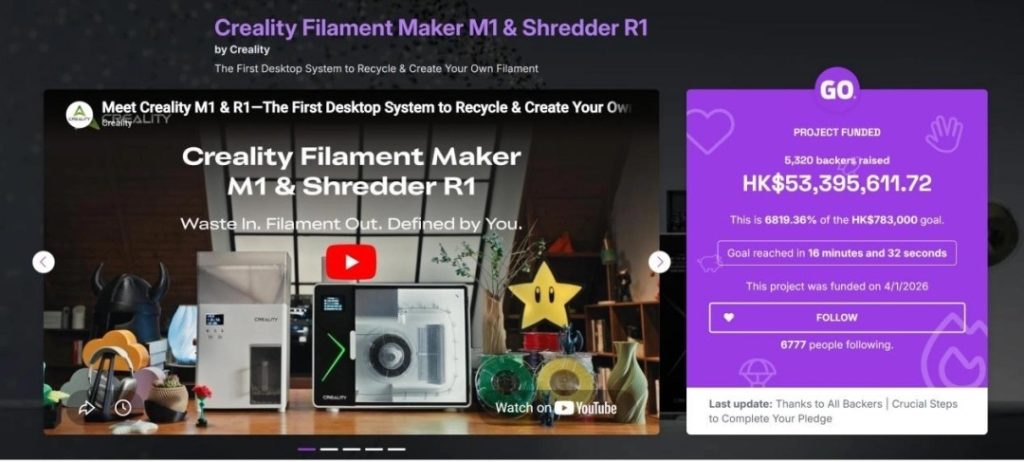
On May 23, 2026, according to 3Dzyk(3D 打印资源库), the M1 Filament Generator and R1 Shredder launched by Creality recently concluded their 45-day crowdfunding campaign on Indiegogo. The project ultimately raised HKD 53.396 million (approx. RMB 47 million), attracting 5,320 backers worldwide and overfunding its original goal by 6,819%.
As of now, the M1 & R1 campaign stands as the highest-funded crowdfunding project in the global 3D printing sector for 2026. This crowdfunding success also underscores the global community’s strong interest in and recognition of Creality’s “AI + Ecosystem” strategic layout.

With multi-color 3D printing becoming increasingly common, waste material is also piling up. This is particularly true during color swaps and nozzle purging, where machines extrude significant amounts of waste—sometimes even exceeding the material used for the actual model itself. In the past, users who wanted to print visually stunning models simply had to accept this waste.
The arrival of the M1 & R1 promises to change this reality, giving waste material a second life as usable filament.
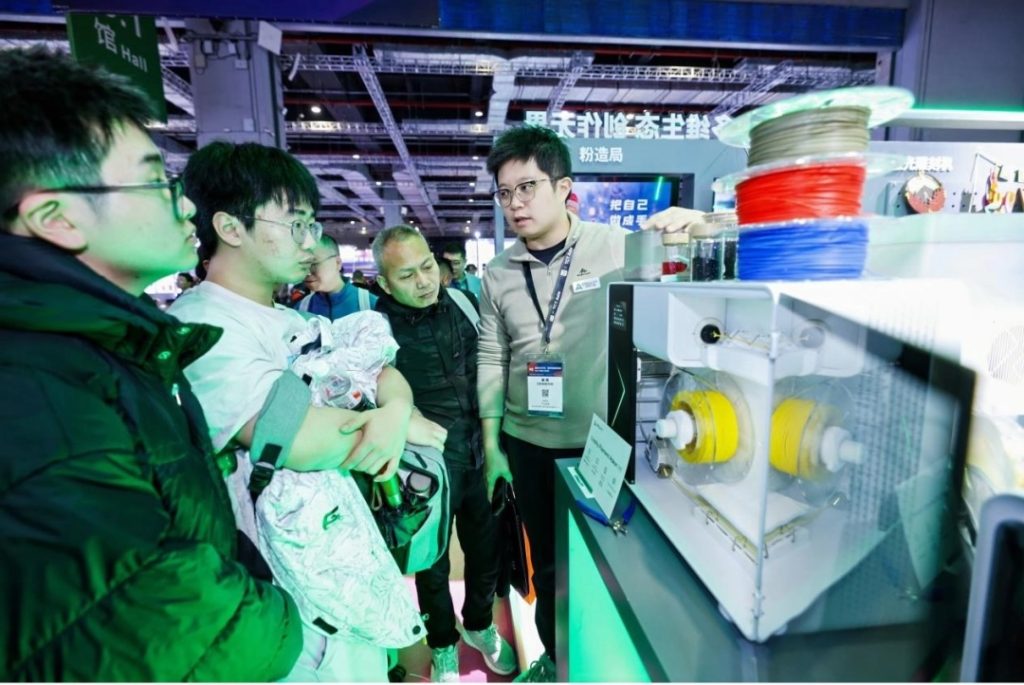
01 | Explosive Crowdfunding: Users Vote for Filament Recycling with Their Wallets
Upon its launch, the M1 & R1 crowdfunding project quickly went viral.
Funds surpassed RMB 10 million within 20 minutes, exceeded RMB 30 million within the first 24 hours, and landed the project on Indiegogo’s global homepage recommendations for the day. By the 7th day, the project total broke through RMB 40 million, ultimately wrapping up at HKD 53.396 million (approx. RMB 47 million)—far exceeding industry expectations.
Looking at backer choices, the vast majority opted for the M1 and R1 combo package. Their primary goal is to achieve a complete closed loop—moving from “waste recovery” to “filament regeneration”—while exploring the broader possibilities of DIY filaments. Additionally, a significant number of commercial users, including small studios and makerspaces, participated in the campaign. For them, the M1 & R1 functions as a new tool to cut costs, boost efficiency, and expand the creative boundaries of 3D printing materials.
02 | More Than Waste Recycling: Making Your Own Filament
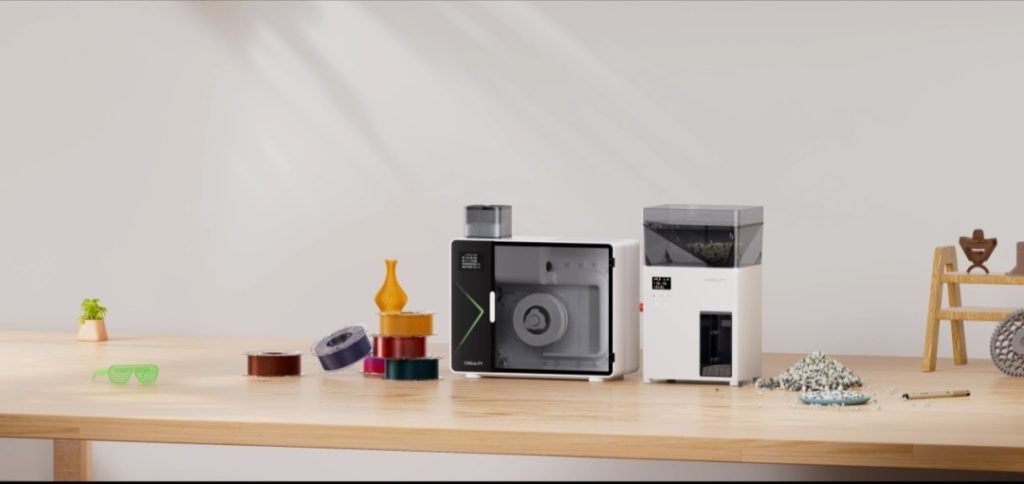
As the world’s first desktop-grade 3D printing filament generation system, the selling point of the M1 & R1 is straightforward: it allows users to complete the entire “waste-pellets-filament” cycle right on their desks.
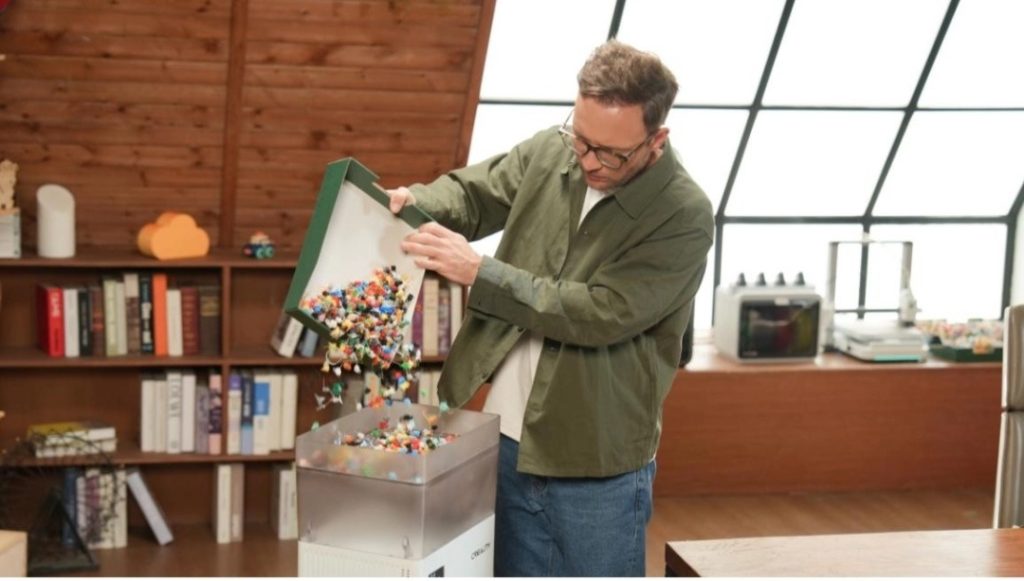
The R1 Shredder handles 3D printing waste by integrating shredding and drying into a single process; the M1 Filament Generator then extrudes the processed pellets back into standard 1.70-1.80mm filament, ready to be fed back into 3D printers.
It is easy to see that this system addresses several long-standing pain points for 3D printing users.
First is filament costs, especially for high-frequency makers, small studios, and educational settings, where filament consumption represents a continuous financial outlay. Second is waste management, where failed prints, support structures, and scraps usually just pile up or get thrown away. Third is custom materials, as it has traditionally been difficult and costly for everyday users to obtain custom materials tailored to their specific needs.
Building on this, the M1 & R1 turns “making your own filament” into a highly engaging, playable experience. Users can experiment by mixing in materials like coffee grounds, wood powder, lavender powder, or carbon fiber to create DIY filaments with unique textures, scents, or performance characteristics.
In other words, users are no longer just printing models—they are actively designing the material itself.
03 | Backed by Influencer Reviews, the Project Rapidly Outswims Its Niche Overseas
In the past, a new product launch relied heavily on a brand’s own marketing channels. Today, especially in overseas crowdfunding markets, influencer reviews and media coverage heavily influence user decision-making, and the M1 & R1 is no exception.
Prior to the start of the crowdfunding campaign, more than 10 top-tier international maker influencers conducted in-depth reviews of the M1 & R1. During testing, they didn’t just convert 3D printing waste back into standard filament; they also experimented with creating gradient colors and unique textures, demonstrating the system’s high playability for DIY filament creation.
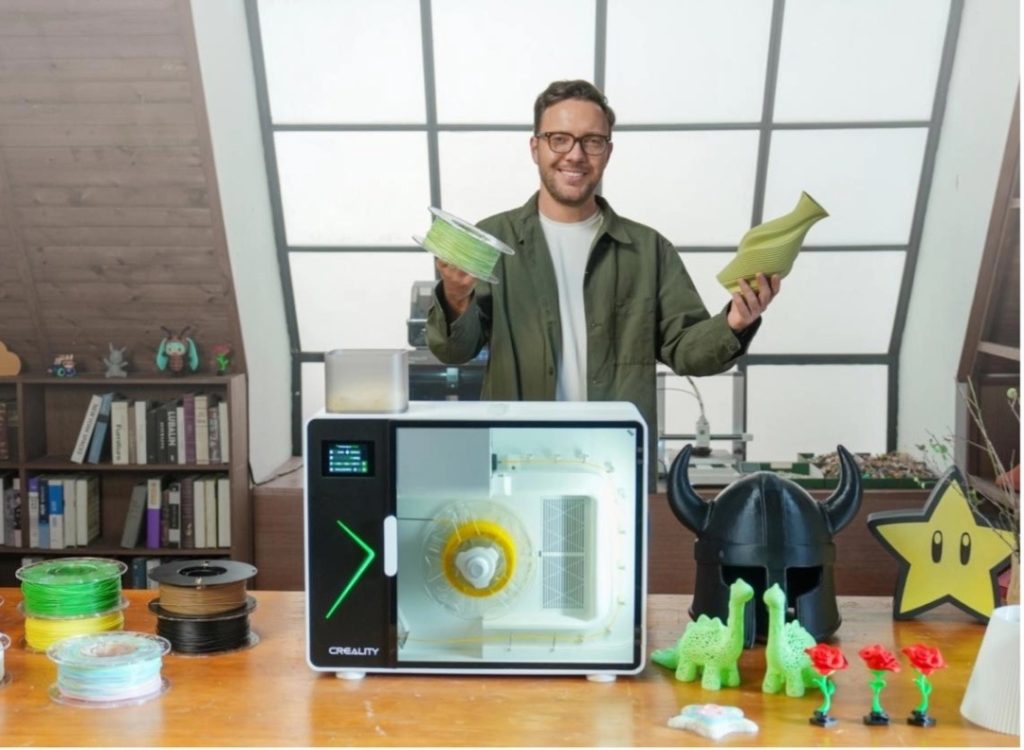
Simultaneously, multiple authoritative international tech media outlets, including Tom’s Hardware and All3DP, maintained continuous coverage of the project. For global users, much of the M1 & R1’s appeal lies in the fact that it shrinks a recycling manufacturing process—which used to belong strictly to the industrial sector—down into a consumer-grade desktop device.
Final Thoughts
The success of the M1 & R1 is, first and foremost, the success of a solid product. It solves practical user headaches regarding filament costs and waste disposal, while making at-home filament recycling and DIY customization a reality.
But the more noteworthy question is: Why was Creality the first to build this system?
As a 12-year-old veteran in the 3D printing industry, Creality has accumulated a massive global user base. Consequently, they have a clearer understanding of what users need beyond just the printer itself.
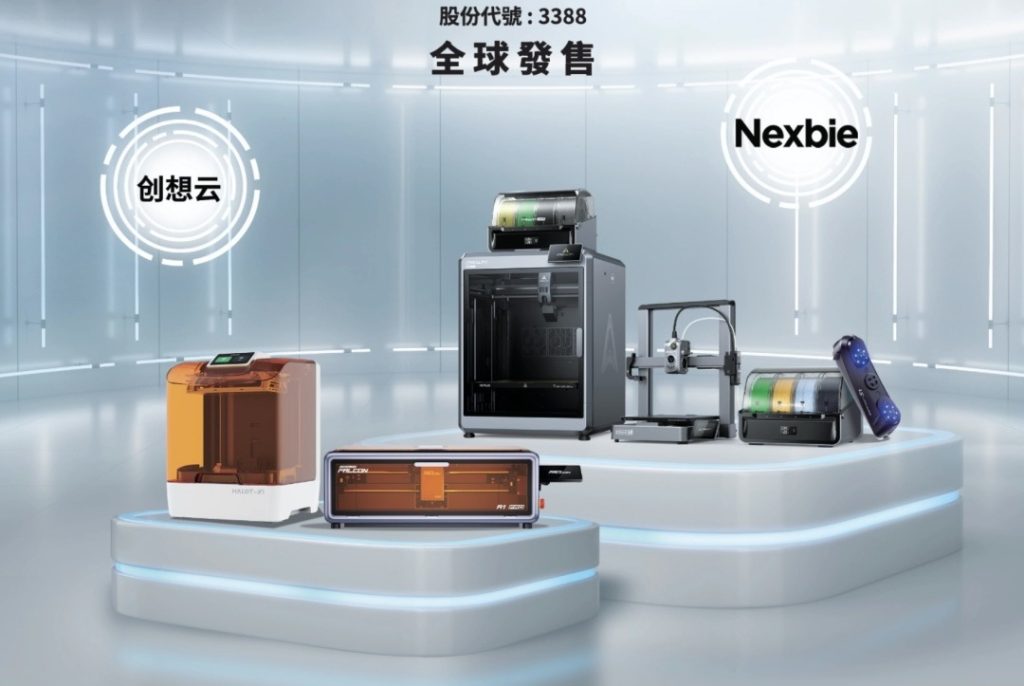
This explains why Creality’s strategic layout has long extended beyond hardware units. By expanding into laser engravers, 3D scanners, filaments, and accessories, they have gradually constructed a complete 3D printing ecosystem loop, successfully establishing a global ecosystem platform for 3D creators.
Furthermore, Creality is set to hold a new product launch event on May 29, where its new multi-head printing products are expected to make their official debut. On the very same day, Creality will list on the Hong Kong Stock Exchange, positioned to become the market’s first consumer-grade 3D printing stock.
Note: Data regarding “top list” and “number one” positions are sourced from Yishi Technology’s 2026 Global Hardware Product Crowdfunding TOP 100 (Q1) list. The tracking period for this list was from January to March 2026, with data current as of April 19, 2026. The M1 & R1 project ranked first in funding amounts within the 3D printing category.
 li, chen