
 By li, chen
6,999 yuan—Shining 3D’s consumer-grade 3D scanner is here! EINSTAR EZ GO opens pre-sale
The consumer-grade 3D scanner market has welcomed another new product.

In the past, when people mentioned Shining 3D, the industry mostly thought of industrial-grade 3D scanners, with products widely used in professional fields such as industrial inspection, reverse engineering, aerospace, and automotive manufacturing.
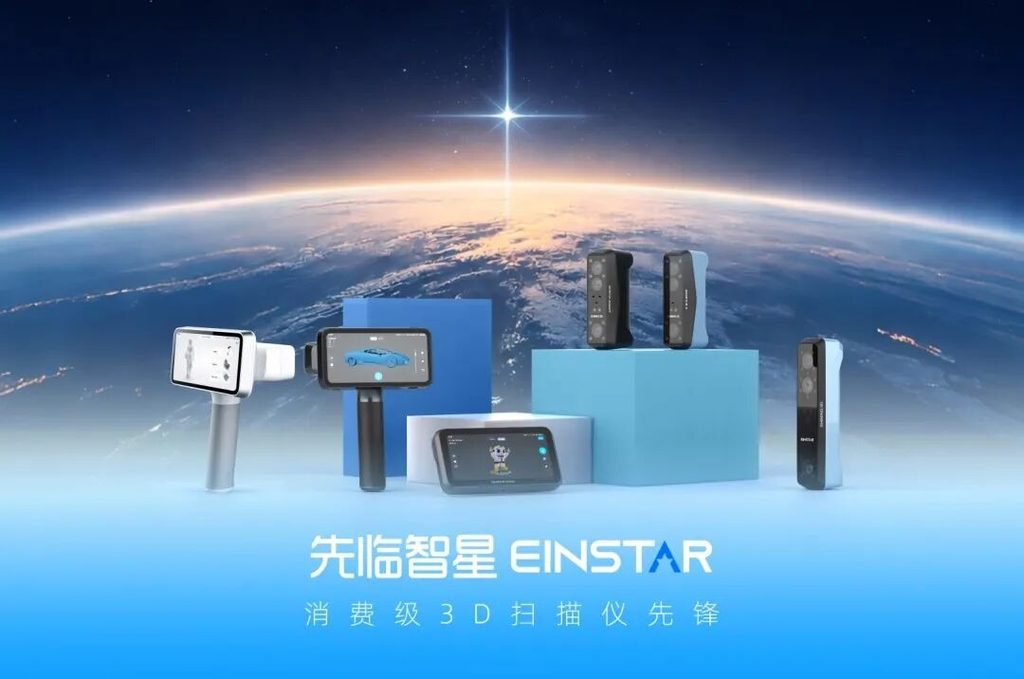
But now, this leading company in the 3D scanning field is turning its attention to the consumer market. In June this year, Shining 3D officially launched a new consumer-grade brand—EINSTAR—focusing on cost-effective, easy-to-use 3D scanning products, attempting to bring professional 3D scanning technology to more ordinary users.
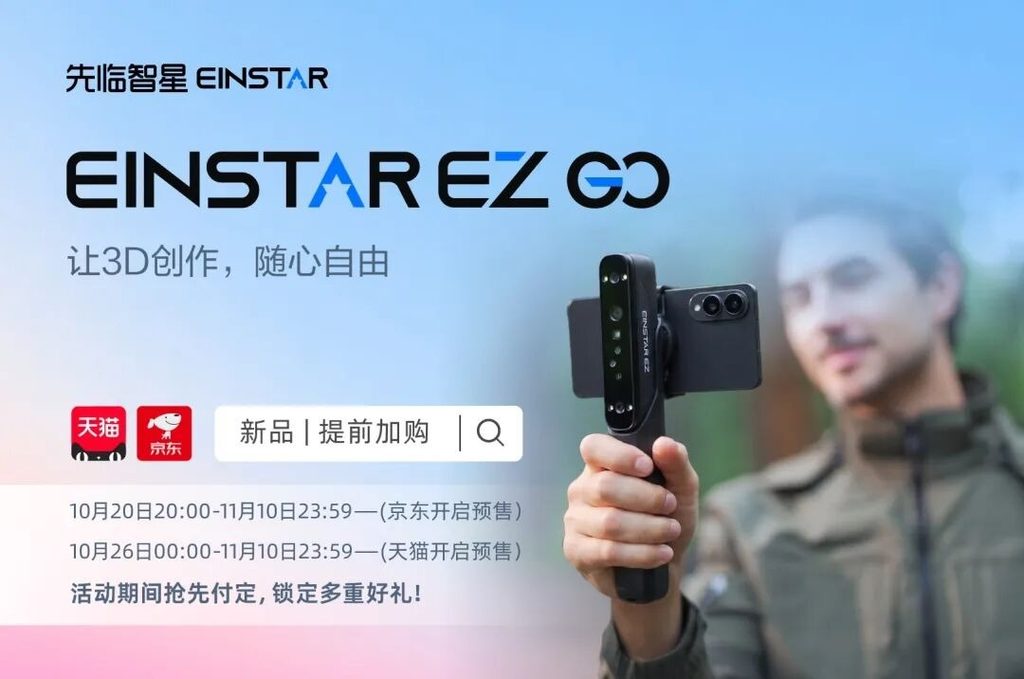
Just four months later, Shining 3D has brought another new product. On October 20, EINSTAR officially opened pre-sales for its new product, the EINSTAR EZ GO, priced at 6,999 yuan. Unlike traditional 3D scanners that need to be connected to a computer, this new product supports direct smartphone connection and introduces 3D Gaussian reconstruction technology, moving further toward lightweight and mobile development.
01
—
No computer needed—scan directly by connecting to a phone
In the past, most 3D scanners usually needed to be connected to a computer for use, which not only had hardware configuration requirements but also limited use in outdoor and mobile scenarios.
In recent years, with the development of the consumer market, manufacturers have begun exploring two routes: wireless scanning and all-in-one machines.
The EINSTAR EZ GO launched this time attempts to take a third path.
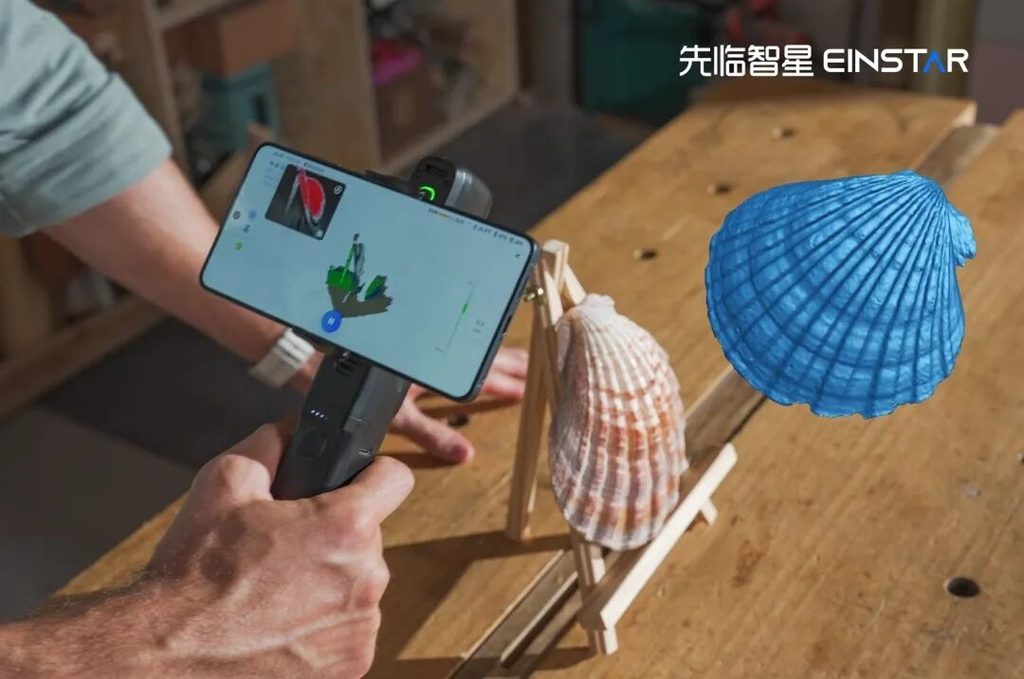
It is understood that the new product features a compact body design paired with a portable power handle. It does not need to be connected to a computer, nor does it rely on the high-cost computing chips built into all-in-one machines—instead, it supports direct connection to a smartphone for scanning.
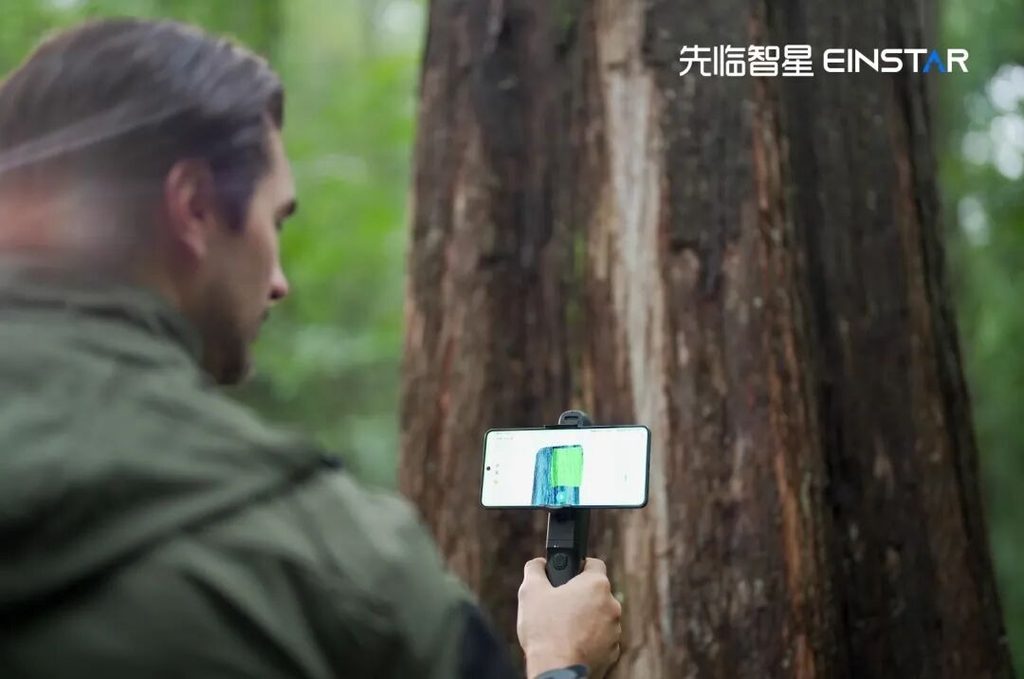
This means users can take the scanner out of the studio and complete 3D data acquisition outdoors, at exhibitions, or in other on-site environments.
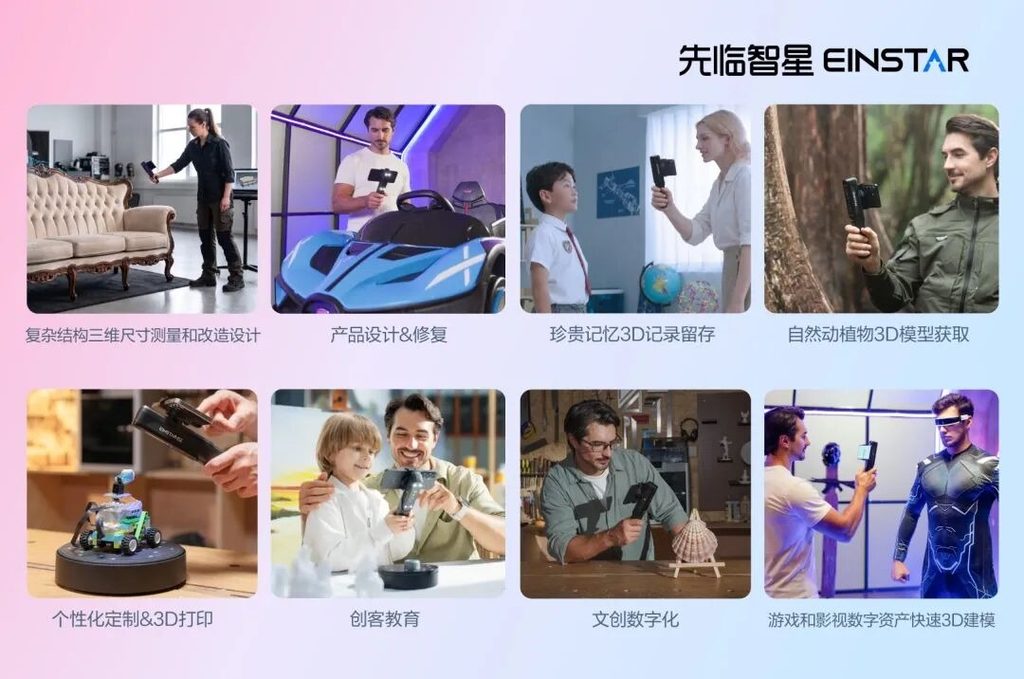
For 3D printing enthusiasts, makers, designers, and other users, this mobile scanning approach is expected to further lower the barrier to 3D modeling.
02
—
Introducing 3D Gaussian algorithm—not just scanning geometry
Beyond smartphone connectivity, another highlight of the EINSTAR EZ GO is the introduction of the 3D Gaussian algorithm.
It is understood that after completing texture data acquisition, the new product can perform 3D Gaussian reconstruction through the cloud, without occupying large amounts of local computing resources. Compared to traditional visual presentation methods for 3D models, 3D Gaussian reconstruction is better at restoring the appearance of real objects, especially excelling in the representation of complex materials such as hair and fabric.
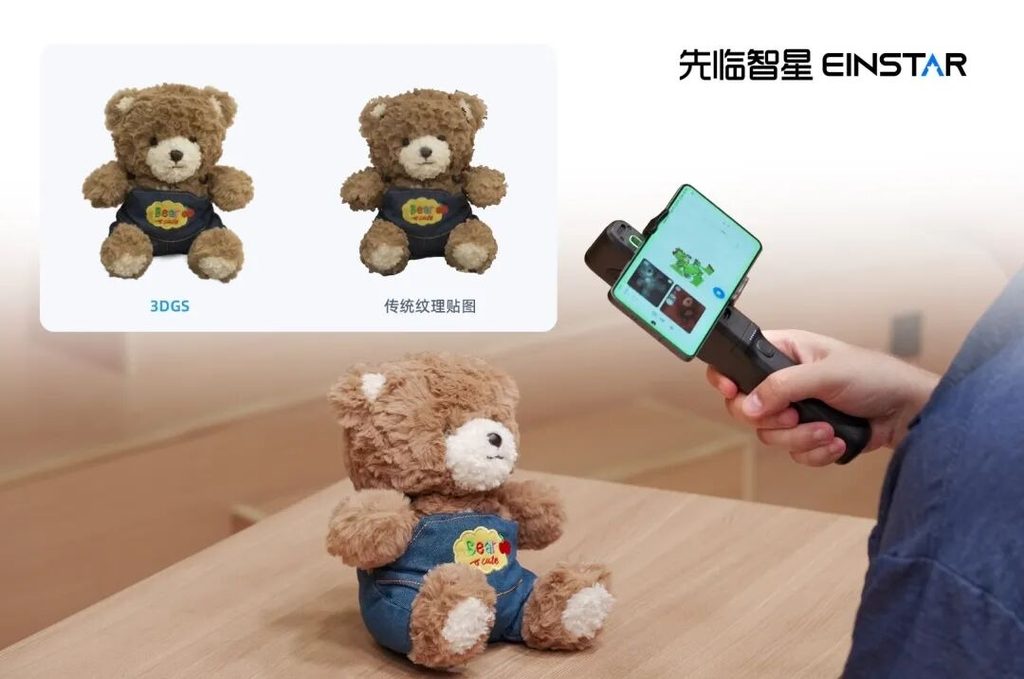
This also means that the use of consumer-grade 3D scanners is extending from simply acquiring object geometry data to digital content creation.
Beyond 3D printing reverse modeling, fields such as game assets, VR/AR, and digital cultural creativity are also expected to become important application scenarios for such devices.
▍At Last but not the least
Previously, we made a rough estimate: assuming an average of one 3D scanner for every 27 3D printers, the consumer-grade 3D scanner market is expected to reach 300,000 units in 2026.
But even so, compared with the millions of units shipped annually for 3D printers, this scale is still not large. This also means that the consumer-grade 3D scanner market is still in its early stages, with significant room for growth in the future.
However, moving from industrial-grade products to the consumer market is by no means simply shrinking the size and lowering the price—it requires rethinking how products should be made around the actual needs of ordinary users. This is true for 3D printers, and equally true for 3D scanners.
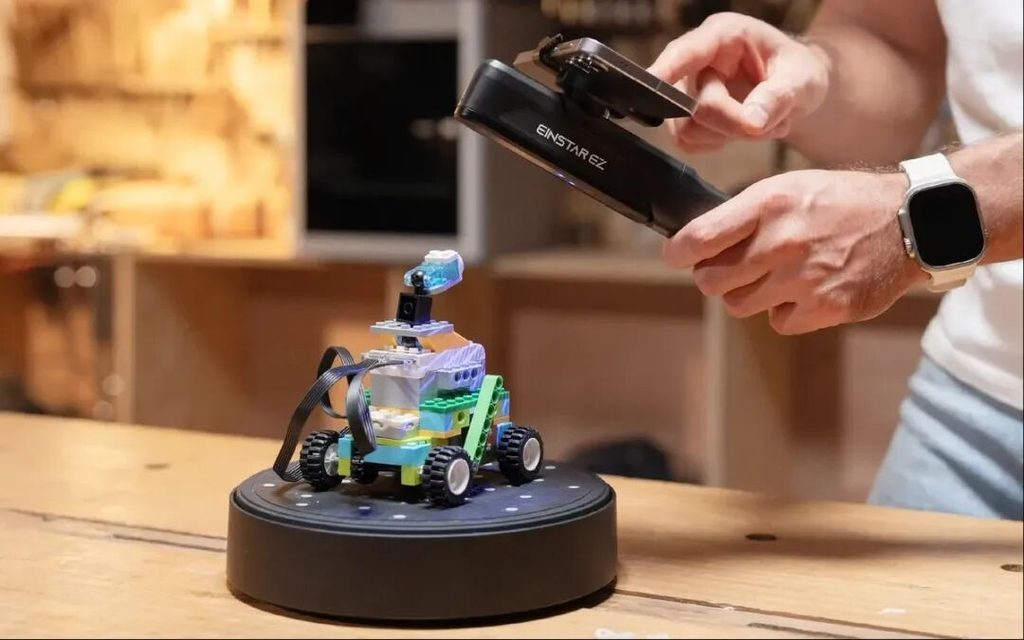
For Shining 3D, which hopes to open a second growth curve in the consumer market, the EINSTAR EZ GO is a new attempt.
It frees 3D scanning from the constraints of computers and fixed scenarios, and shows us that competition in consumer-grade 3D scanners is shifting from simply comparing performance to who can truly get more ordinary users to use them.
 3dzyk