
 By 3dzyk
 The other side of JLCPCB: China’s largest 3D printing service provider.
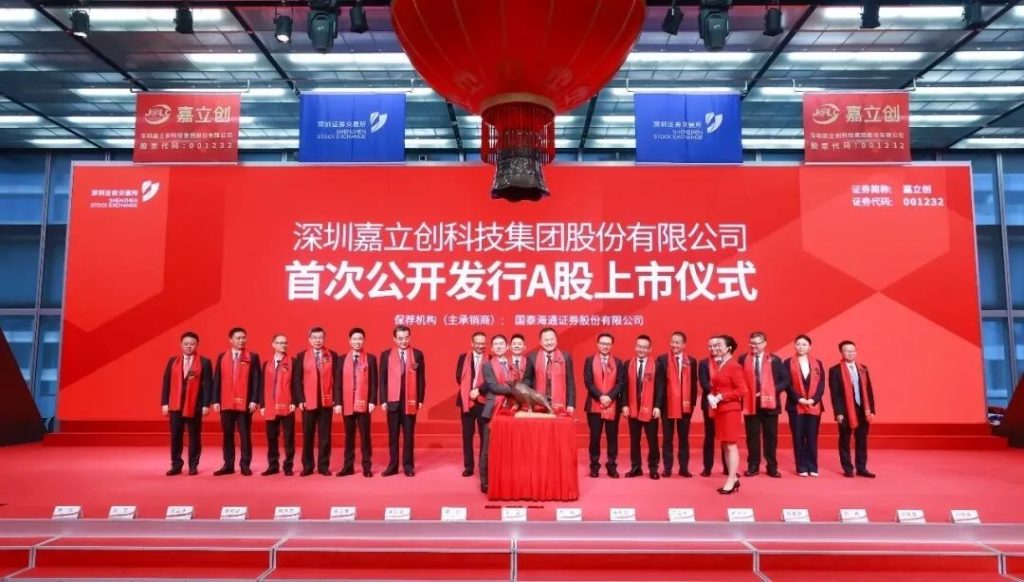
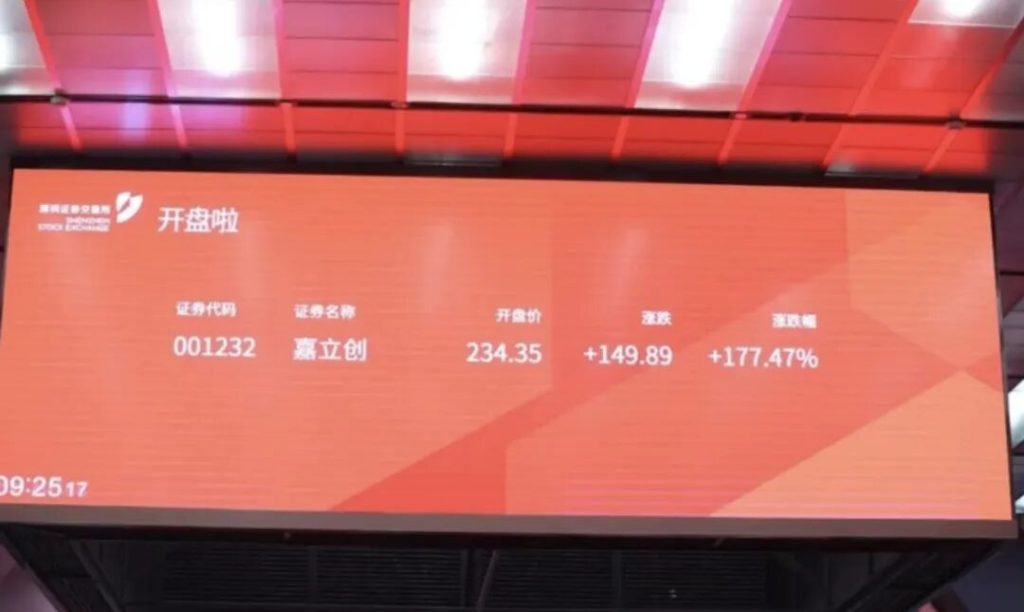
On August 4, 2026, JLCPCB (001232) officially listed on the main board of the Shenzhen Stock Exchange. The company’s offering price was 84.46 yuan per share, with a total issuance of 55.56 million shares, raising 4.693 billion yuan. On the first day of trading, the opening price was 234.35 yuan, a surge of 177.47%, pushing its market capitalization past the 100 billion yuan mark.
With this IPO, JLCPCB will focus its raised funds on high-multi-layer PCB, PCBA intelligent production lines, R&D centers and IT upgrades, expansion of intelligent electronic components, and mechanical industry chain manufacturing projects, to enhance high-end production capacity and R&D capabilities.
01
—
From a one-meter counter to the Shenzhen Stock Exchange, market cap of 100 billion yuan
JLCPCB’s story began in 2006, founded by brothers Ding Hui and Ding Huixiang in Shenzhen, with the starting point being the transformation of the traditional PCB prototyping industry through internet thinking.
By pioneering the “online pricing, small-batch order pooling” model, JLCPCB quickly solved the core pain points of “difficult and expensive prototyping” for electronic engineers and startups, becoming an indispensable “infrastructure” in the electronics industry chain.
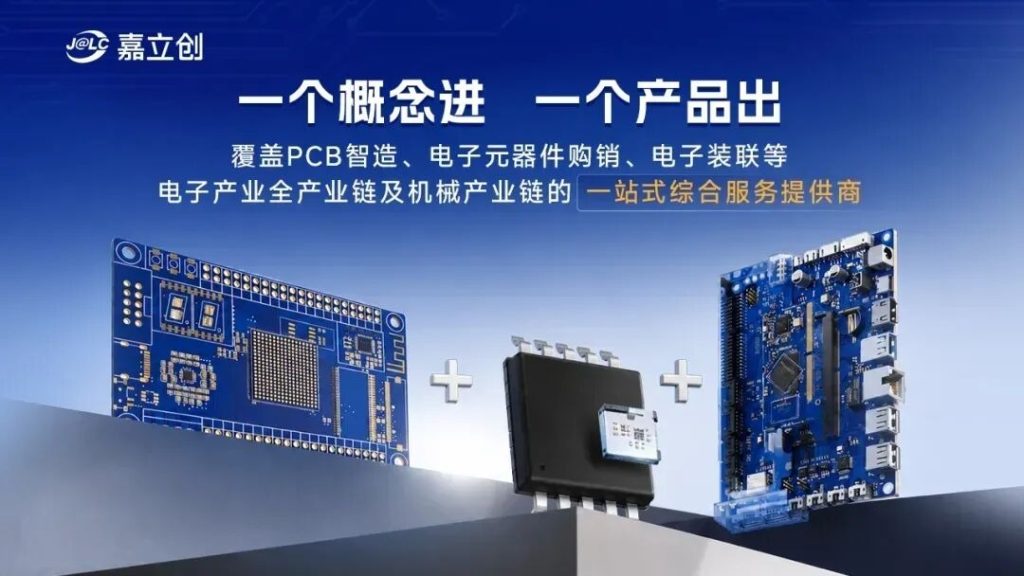
As a one-stop infrastructure service provider for the electronics industry, JLCPCB generates annual revenue of 10.232 billion yuan, with 9.5 million registered users and 21 million annual orders. It is the first publicly listed platform-based company on the A-share market covering EDA, PCB, component distribution, PCBA, and mechanical industry chain services.
02
—
Breaking beyond PCB boundaries, building a full-industry-chain service platform
After two decades of development, JLCPCB has evolved from a PCB prototyping company into a one-stop service platform covering the electronics and mechanical industries.
Leveraging the flexible manufacturing capabilities accumulated through its PCB business, the company has further expanded into structural parts manufacturing fields such as 3D printing and CNC machining, gradually building a “cloud factory” ecosystem from chips to enclosures.
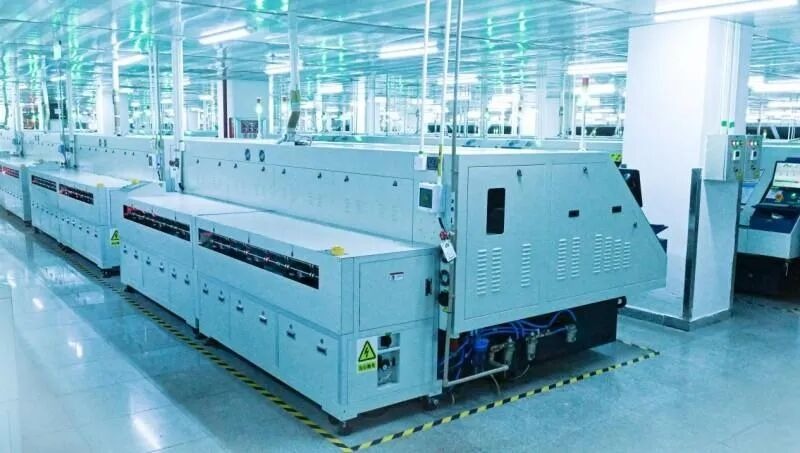
This transformation is already reflected in its revenue structure. In 2025, JLCPCB’s PCB revenue reached 3.884 billion yuan, accounting for 39.31% of total revenue; PCBA revenue was 1.789 billion yuan, up 49.68% year-on-year; and new business revenue from the mechanical industry chain reached 556 million yuan, up 77.80% year-on-year.
Among these, 3D printing, CNC manufacturing, and FA business together contributed 433 million yuan, becoming a new growth driver.
03
—
From pilot to leader: 1,500+ machines build capacity advantage
JLCPCB’s 3D printing division was established in September 2020. It has now built an automated production base covering 14,000 square meters in Shaoguan, deploying more than 1,500 industrial-grade 3D printing systems covering seven major process technologies: SLA, SLS, MJF, SLM, FDM, WJP, and BJ, supporting a variety of materials including resin, nylon, metal, and industrial plastics.
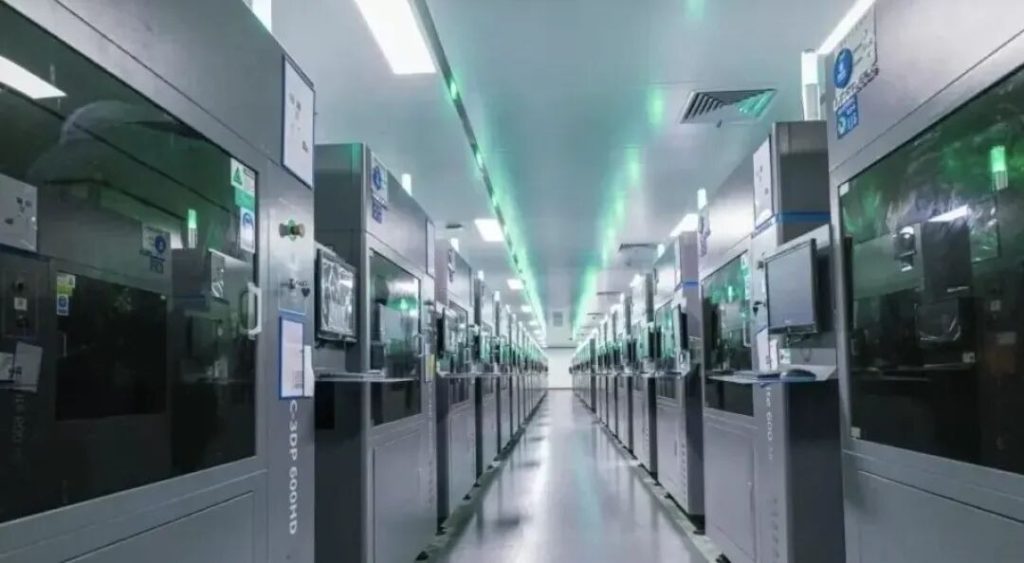
It is understood that this base has become the largest industrial-grade 3D printing super-factory in China, with annual production exceeding tens of millions of parts.
In less than six years, JLCPCB has established a strong foothold in the 3D printing service market and entered the industry’s top tier. Its advantages come not only from equipment scale and production capacity but also from its digital capabilities.
Through its self-developed ERP system, JLCPCB has integrated the entire process of online ordering, production, and customer service, enabling online order tracking and digital monitoring, further enhancing flexible manufacturing and rapid delivery capabilities.
04
—
Starting with nearly 10 million engineers, complete product verification in one stop
For a hardware engineer, completing a circuit design is only the first step.
Next comes PCB prototyping, component assembly, metal part machining, and enclosure and structural part fabrication. In the past, these steps often required finding different suppliers, with repeated communication and prototyping—not only time-consuming but also slowing down the entire R&D process.
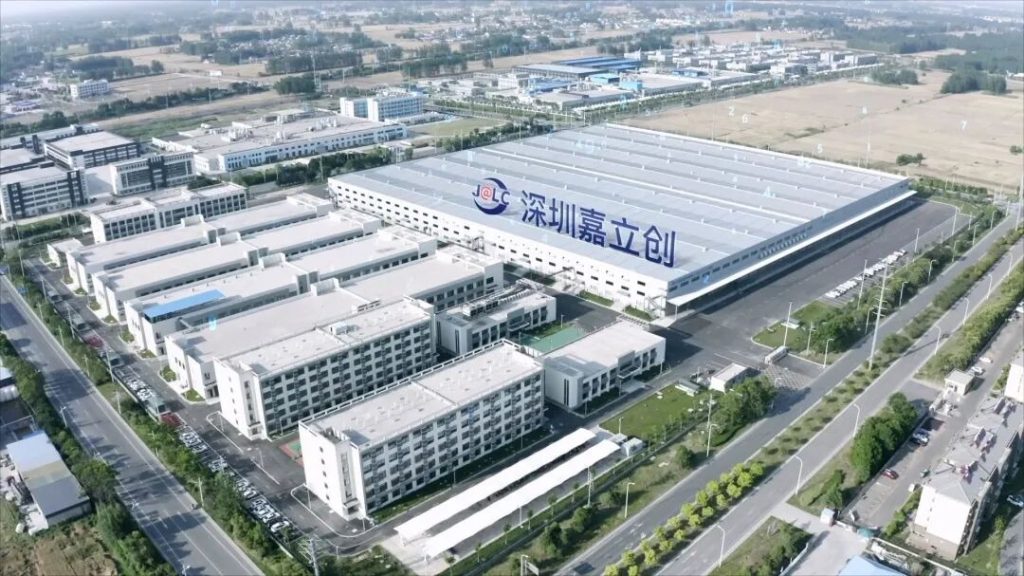
Today, engineers simply upload their drawings and models to the JLCPCB platform to access multiple services including PCB, PCBA, CNC machining, and 3D printing. From electronic components to mechanical structures, from prototype verification to small-batch production—everything can be done on one platform.
And these engineer users are plentiful on JLCPCB’s platform. Nearly 10 million registered engineers are not only the closest to real market needs but also bring consistent orders and growth potential to new businesses like 3D printing.
▍Final thoughts
JLCPCB is reinventing traditional manufacturing with the internet’s “flywheel effect”: PCB is the first flywheel, while 3D printing, CNC machining, and other businesses are becoming new growth engines.
This IPO marks a new starting point for JLCPCB. For nearly 10 million hardware innovators, an era of “what you think is what you get”—from design to manufacturing, from idea to physical object—is arriving as the 3D printing flywheel accelerates.
 li, chen