
 By li, chen
 Kexcelled: Quietly making materials in the past, today bringing materials onto the runway.
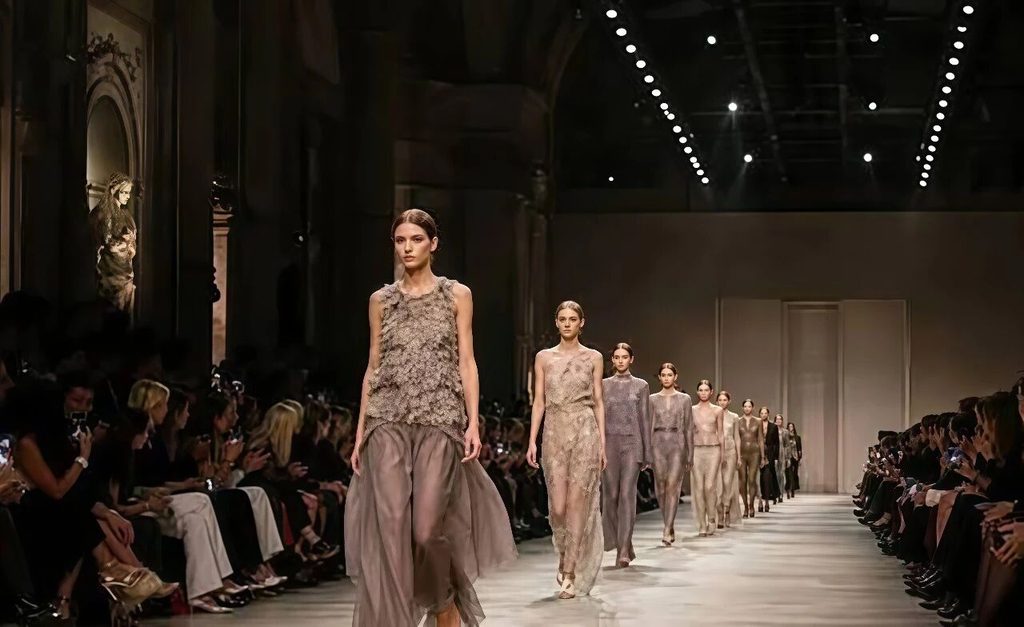
At the 2026 Harper’s Bazaar Night, Qi Wei appeared in a 16-kilogram 3D-printed water splash dress; Zhang Yuqi once wore a custom 3D-printed gown at the Cannes Film Festival; Yang Mi also appeared at fashion events wearing an Iris van Herpen haute couture 3D-printed mermaid gown.
It’s not hard to see that 3D printing is helping designers break through the boundaries of clothing in structure, texture, and visual expression, and is gradually becoming a way for the fashion world to explore new materials and new design languages.
And this time, 3D printing has appeared again at Paris Fashion Week—with the material being the PETG filament we’re more familiar with.
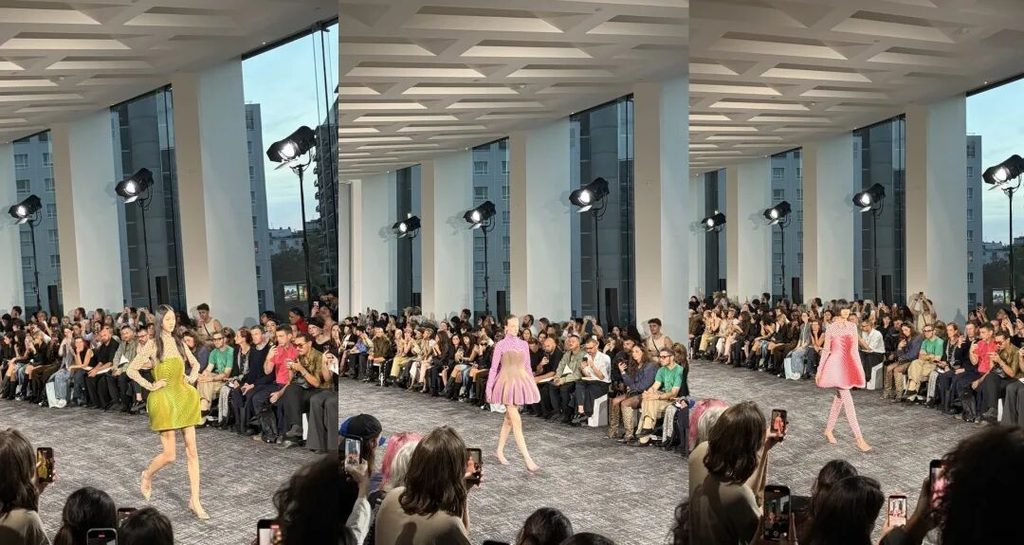
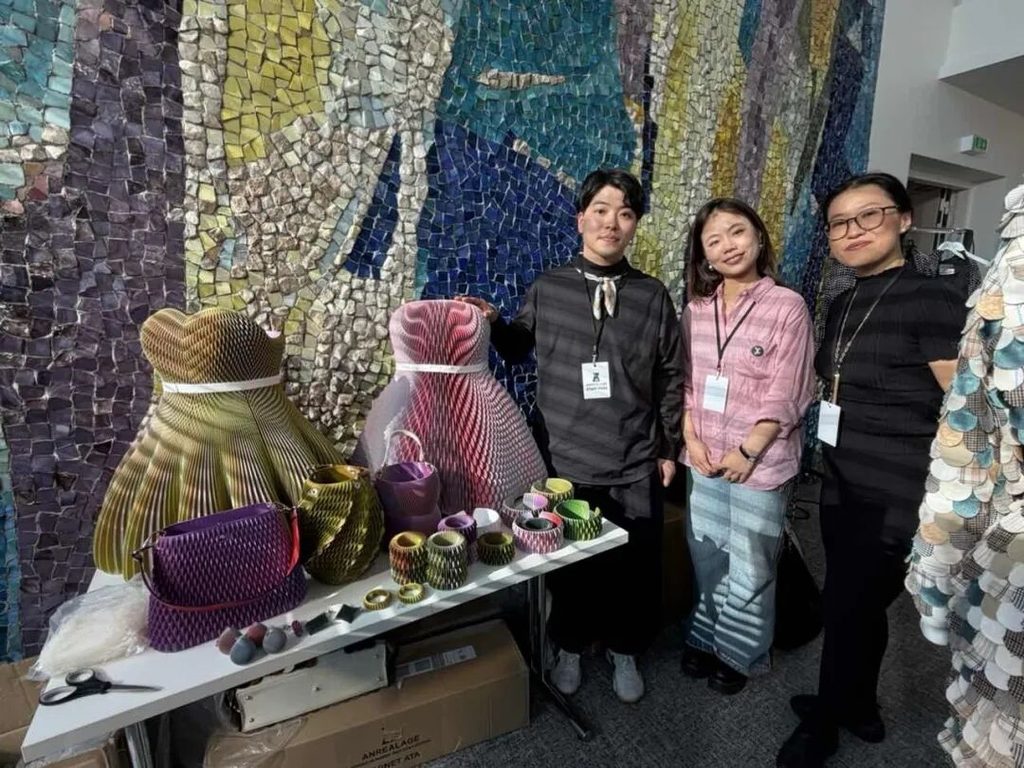
Recently, Japanese avant-garde fashion brand ANREALAGE showcased a collection of 3D-printed clothing works at the ongoing Paris Fashion Week.
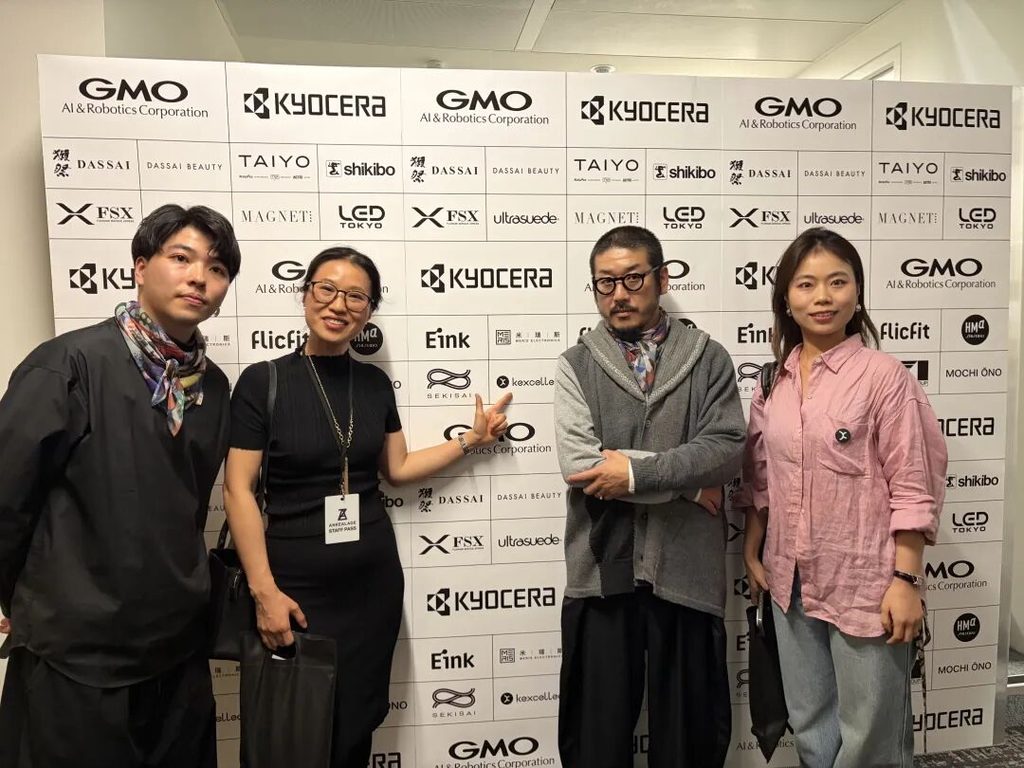
The design and production were handled by Japanese 3D printing design team SEKISAI Design, while the materials used in the works came from 3D printing materials manufacturer Kexcelled’s THE K5™ PETG filament.
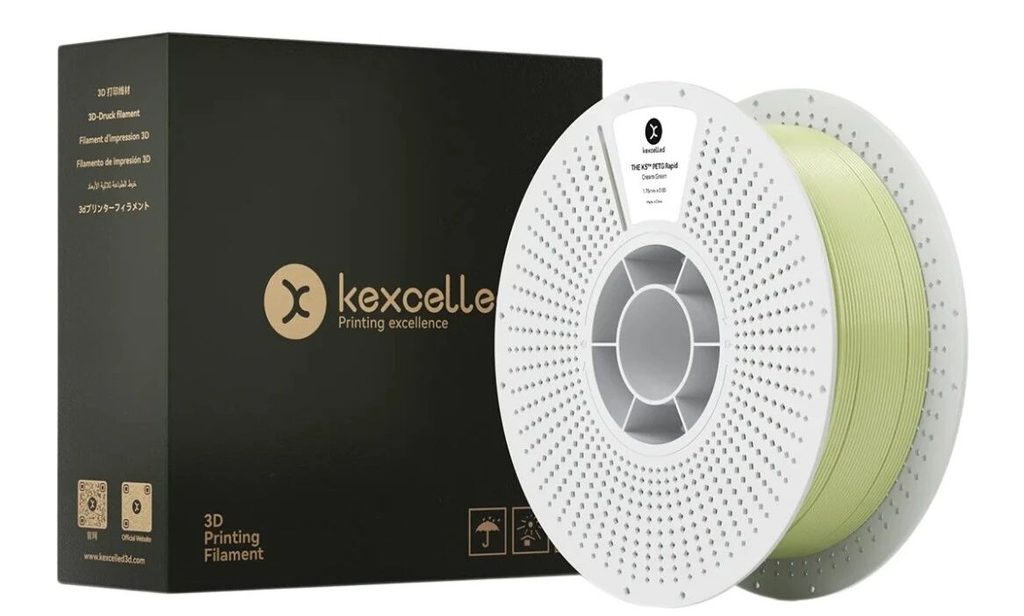
In other words, the FDM filament we normally use to print toys, ornaments, and even functional parts has this time become a fashion material.
How does PETG become clothing?
In the past, when people thought of 3D-printed clothing, they were more likely to think of processes like photopolymerization, SLS, or some flexible materials specially developed for footwear and apparel.
But for designers, they are also trying more different materials and solutions.
In the FDM 3D printing process, filament can be directly stacked into complex structures. The printing path itself can form textures, layer lines can become a surface language, and color, transparency, and gloss can also directly participate in visual expression.
In other words, what was once considered “print lines” to be hidden has instead become part of the work in SEKISAI Design’s clothing designs.
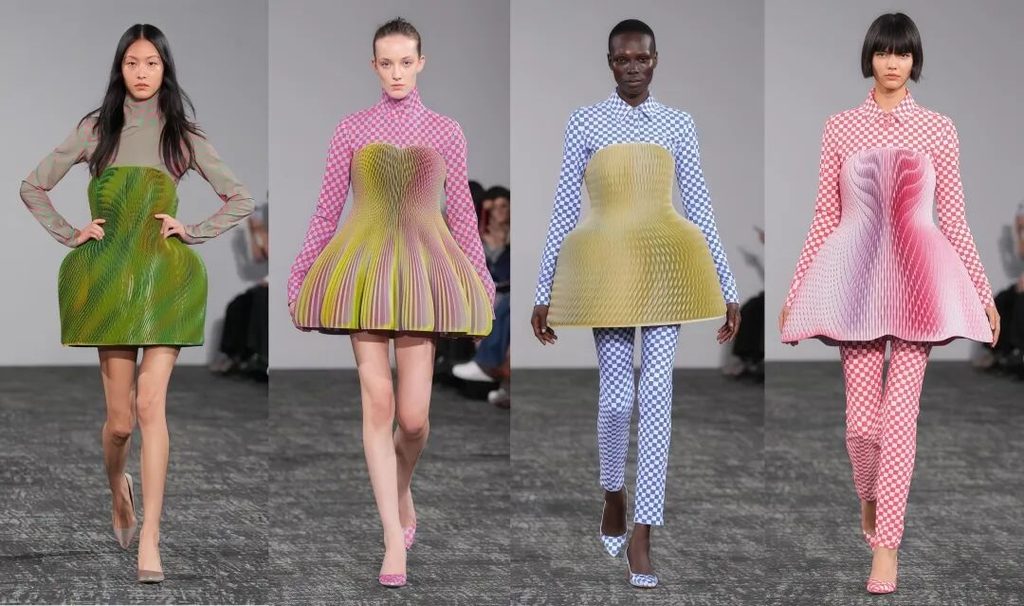
This also makes PETG no longer just a roll of “consumable,” but a creative material in the hands of designers. And for these ideas to truly come to life, continuous innovation in the material itself is equally indispensable.
Why Kexcelled?
The important material partner in this collaboration is Nuosibeirui from China, whose brand is Kexcelled, known domestically as “K家” (K-brand).
In fact, for a long time, Kexcelled has been a relatively low-key name in the 3D printing industry, but within the materials circle, its presence is not insignificant.
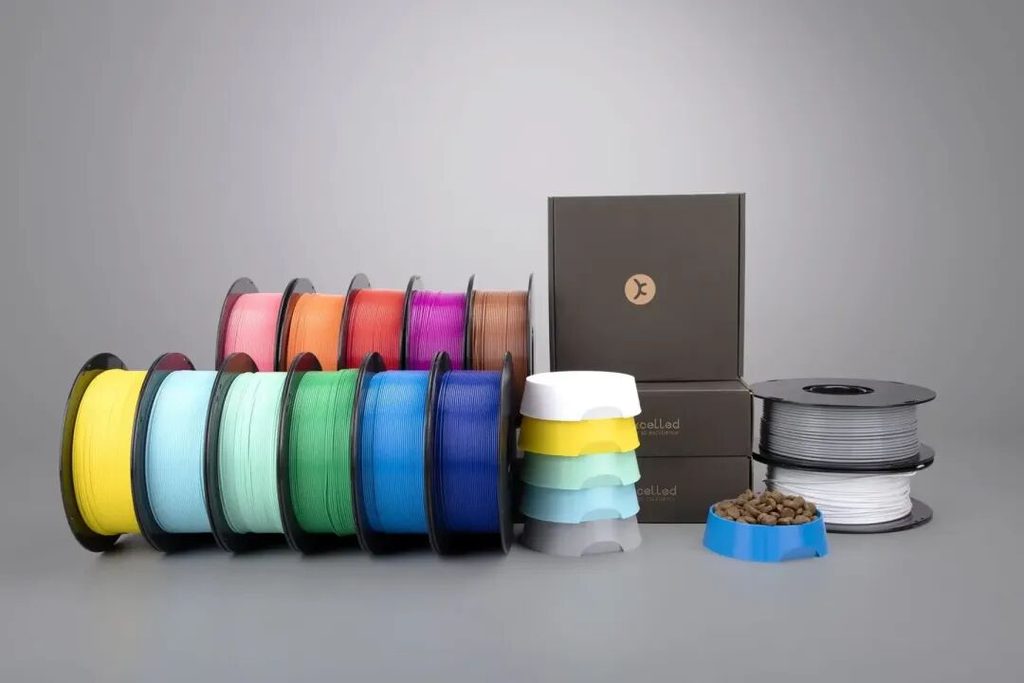
From general-purpose materials and engineering materials to the aesthetic materials it has continued to develop in recent years, Kexcelled has always maintained a very strong R&D orientation, making it more like a materials brand with a “research-oriented” mindset.
Now, it is beginning to move from behind the scenes to the front, attempting to bring materials into more design and creative scenarios.
This appearance in ANREALAGE’s Paris Fashion Week works also means that Kexcelled is truly translating years of accumulated material capabilities into design expressions that can be seen by the outside world.
From “performance consumables” to “aesthetic materials”
This change doesn’t belong to PETG alone.
In fact, with the expansion of the consumer-grade 3D printing market, the competitive dimensions of the filament industry itself are also changing. In the past, everyone first compared performance. Next, they may increasingly compare “effects.”
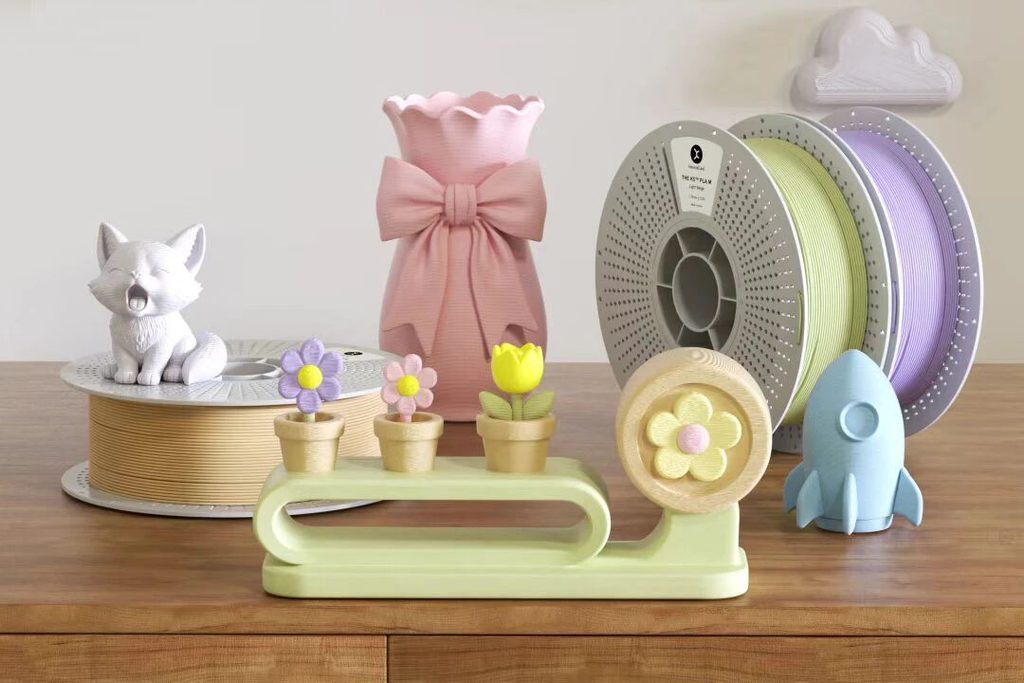
Beyond PETG aesthetic materials, Kexcelled’s matte, silk, and other PLA aesthetic materials were actually familiar to many users earlier, especially suitable for scenarios that emphasize visual effects, such as home ornaments and decorations.
For flexible material users, Kexcelled has also developed aesthetic TPU, providing more choices for wearables, soft structures, and creative design.
As materials continue to enrich, the expressive space of 3D printing in end applications will be further opened up.
For materials manufacturers, this means new opportunities.
This is also a change we have clearly observed in recent years: aesthetic consumables are becoming a new growth direction in the consumer-grade 3D printing materials market.
Final thoughts
From models and parts to artworks, and now to clothing at Paris Fashion Week, the application boundaries of FDM 3D printing continue to expand.
This collaboration between Kexcelled, ANREALAGE, and SEKISAI Design shows us that 3D printing materials are undergoing a role transformation:
From manufacturing consumables to design materials.
Quietly making materials in the past, now bringing materials onto the Paris runway—Kexcelled has impressed us this time.
In the future, competition among 3D printing materials manufacturers may no longer be just about strength, speed, and price.
Color, texture, feel, visual expression, and the application scenarios behind the materials could all become new competitive dimensions.
 3dzyk
3dzyk