
 By 3dzyk
 The next mass-production application for metal 3D printing: drone (UAV) engines.
On March 19, 2026, 3Dzyk learned that Beehive Industries, an American propulsion system manufacturer, recently announced an investment of over $50 million (approximately 338 million RMB) to purchase 30 M4 ONYX metal 3D printing systems from EOS. This marks the largest single order ever publicly disclosed by EOS.
The core significance of this order lies not just in EOS selling 30 machines, but in the fact that metal 3D printing is officially entering the mass production phase for UAV engines.
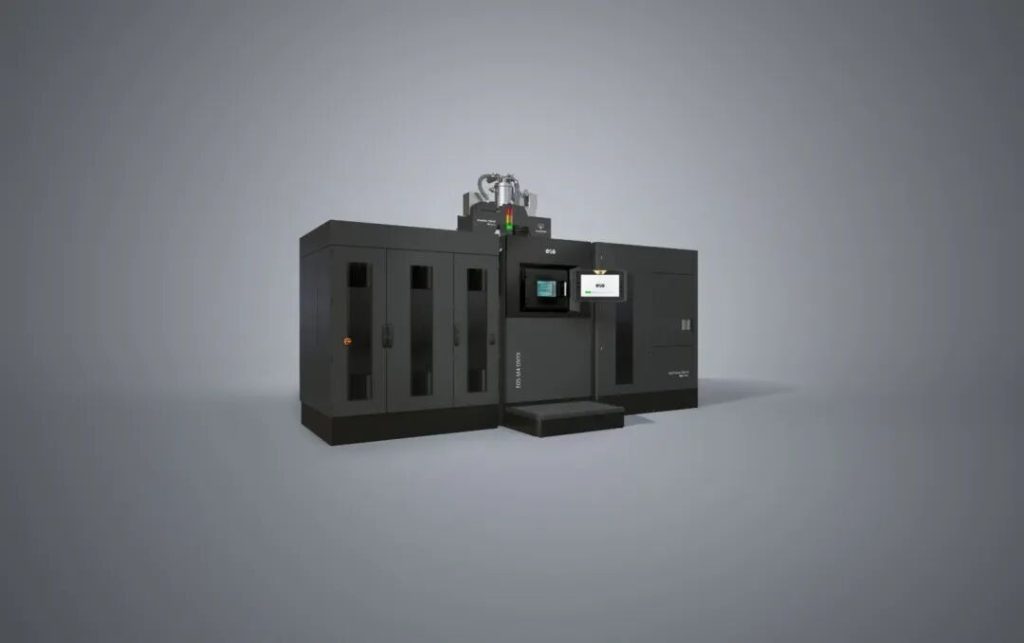
The flagship product Beehive is advancing is the Frenzy 8 jet engine, which targets swarming UAVs and other unmanned aerial systems, emphasizing low cost, high volume, and rapid delivery.
Previously, the Frenzy 8 completed high-altitude testing and flight-readiness validation. It has also secured a $29.7 million contract from the U.S. Air Force to support vehicle integration, flight testing, and propulsion platform qualification.
▍Why UAV Engines?
Jet engines are inherently well-suited for metal 3D printing. They require complex flow channels, lightweight structures, high-temperature alloy materials, and consolidated (integrated) designs—which happen to be the exact strengths of Selective Laser Melting (SLM) metal 3D printing.
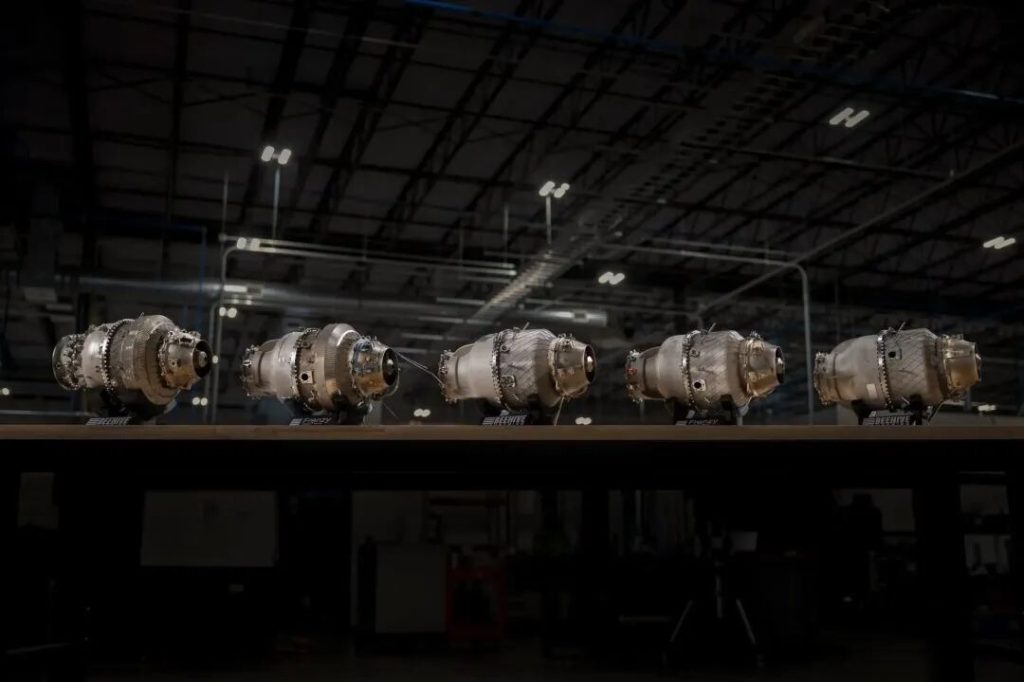
This is especially true for small UAV engines. Traditional manufacturing often grapples with a high parts count, long supply chains, slow development cycles, and stubborn costs. The value of 3D printing lies in reducing part complexity, shortening R&D cycles, and turning low-volume manufacturing into a highly scalable production method.
▍China is Also Accelerating
A similar trend is unfolding within China.
Recently, China has achieved multiple breakthroughs in the field of 3D-printed UAV engines and small-scale aviation propulsion.
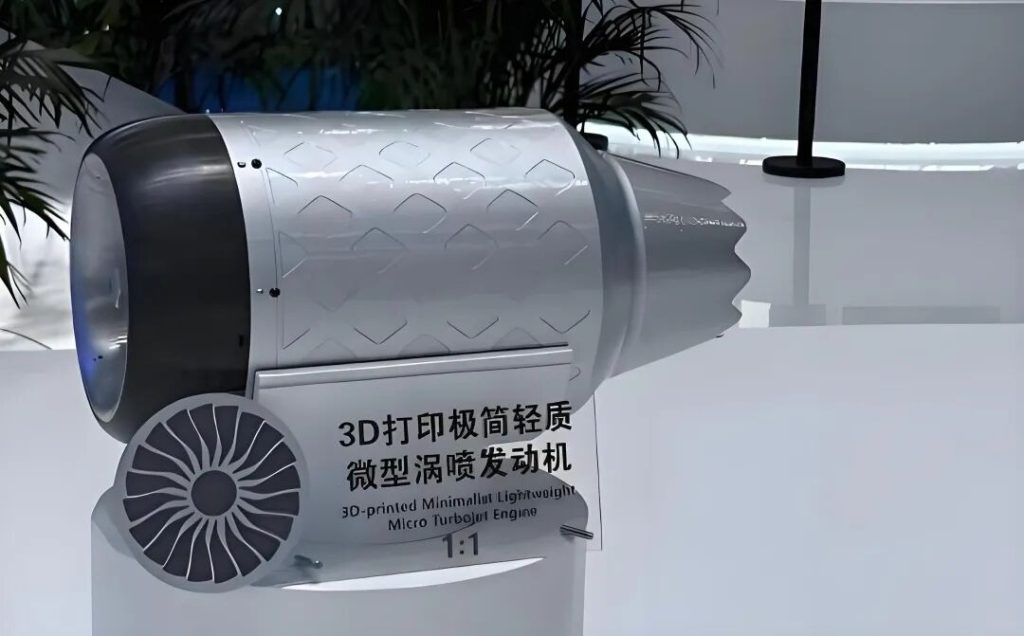
AECC Hunan Aviation Powerplant Research Institute: China’s first self-developed, 3D-printed turbojet engine recently completed its maiden single-engine flight test in Dingbian, Shaanxi. The engine operated continuously and stably for 30 minutes, reaching a flight altitude of 6,000 meters and a maximum speed of Mach 0.75.
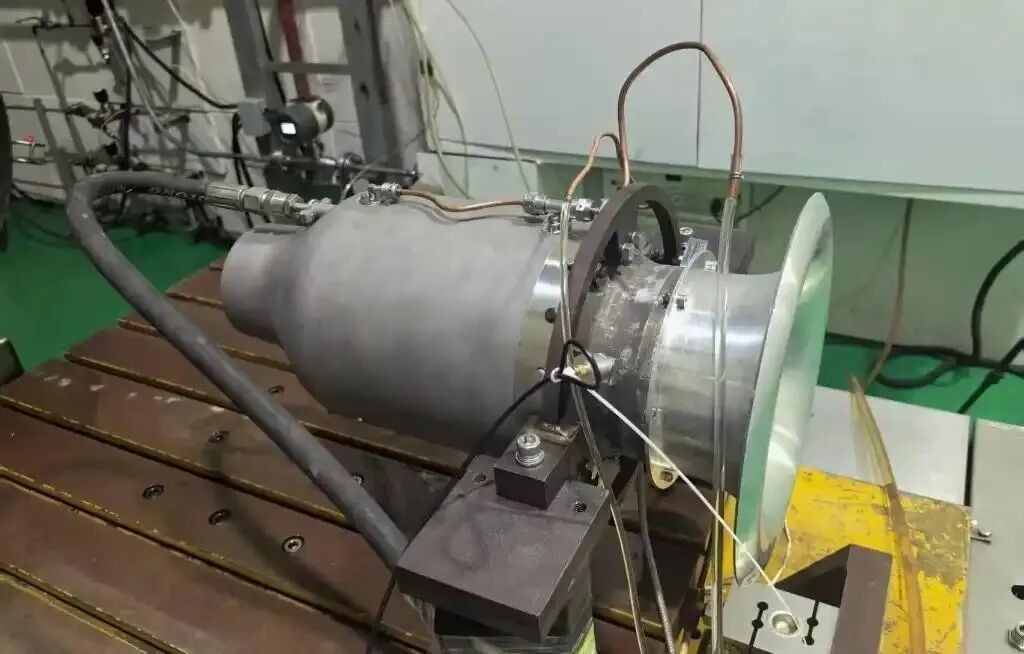
Xi’an Aerospace Mechatronics Intelligent Manufacturing Co., Ltd. & Partners: China’s first entirely 3D-printed turbofan engine has successfully completed ground testing. The core components of this engine were reduced by over 40%, its weight was cut by 25%, and its fuel consumption rate is expected to decrease by 20% to 40%.
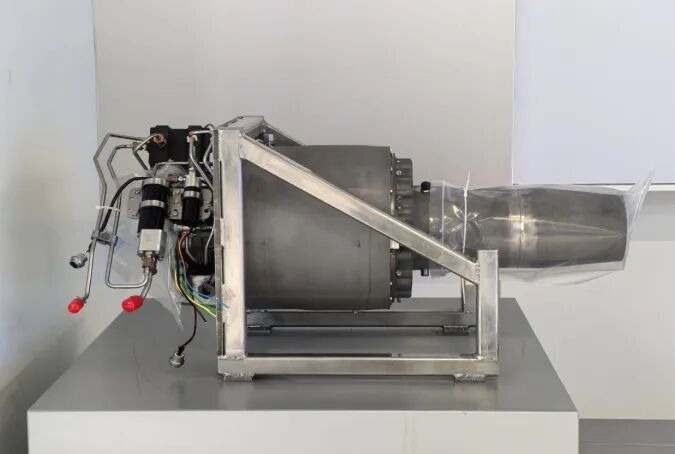
Sichuan Tianfu Light Power Technology Co., Ltd.: Their 100 kg-class single-shaft turbojet engine has successfully achieved ignition, with 3D-printed components making up more than 70% of the engine.
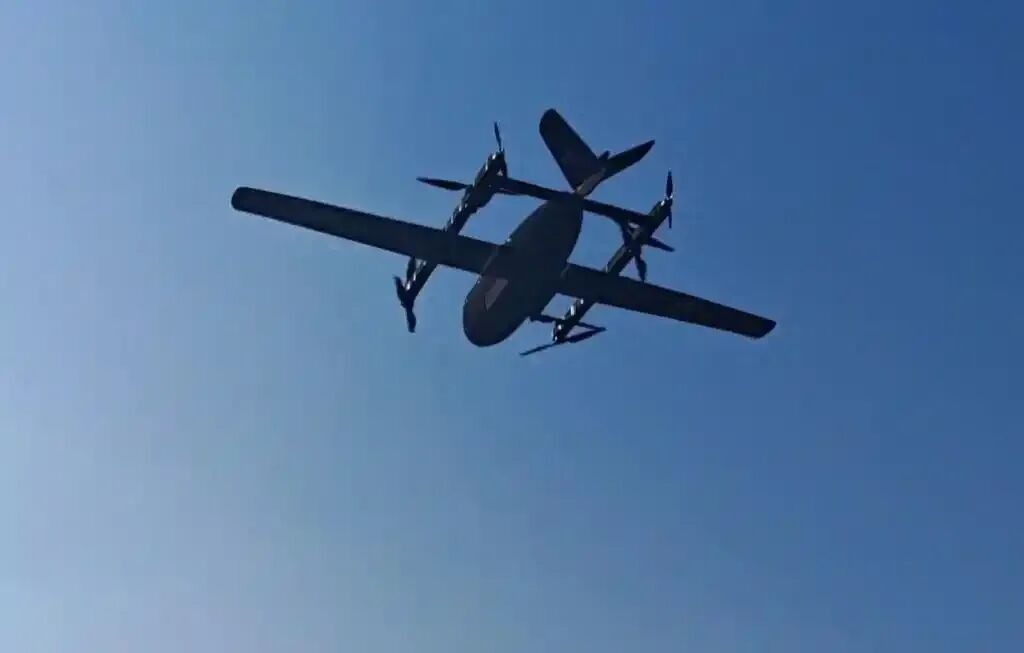
Xi’an Tanyi Additive Manufacturing Technology Co., Ltd.: The company manufactured the world’s first composite-wing UAV (the FS25e) using continuous fiber-reinforced thermosetting composite 3D printing, which has successfully completed its maiden flight.
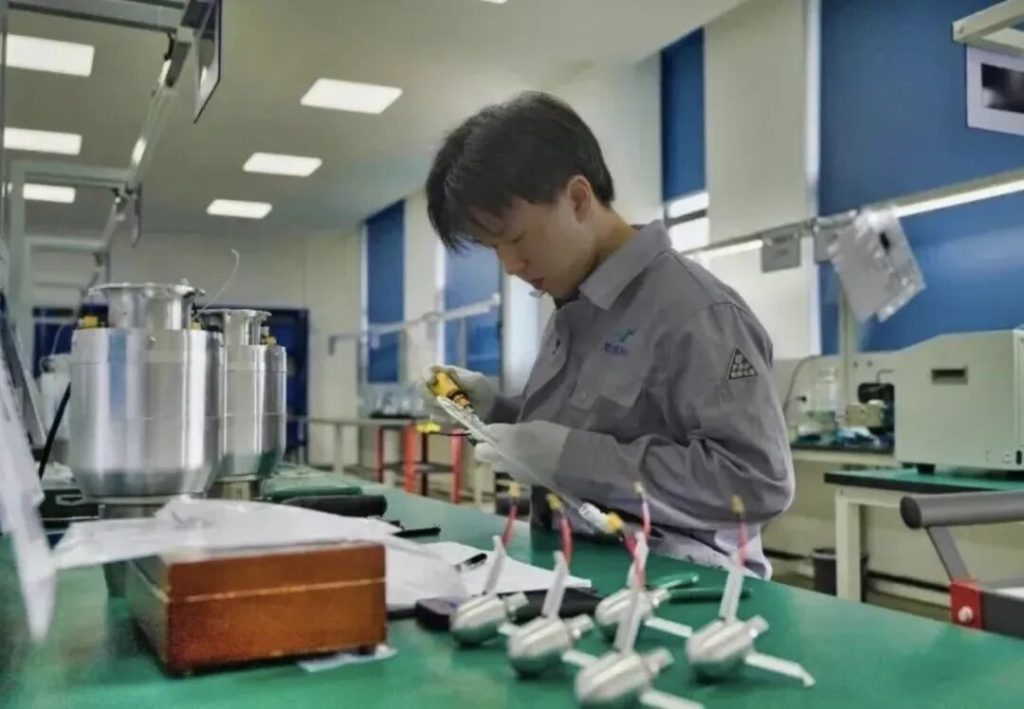
Luzhou Maowei Technology (Closest to mass production): According to previous reports by Luzhou Release, the company’s small turbojet engines in the 40 kg, 65 kg, and 160 kg thrust classes have already achieved mass production. Their monthly capacity is nearly 500 units, with an annual delivery capability of 5,000 to 7,000 units.
This demonstrates that 3D-printed turbojet engines are no longer confined to test flights and validations—they are beginning to enter the stage of batch deliveries.
▍Written At The End
Overall, drones are moving toward swarming, high-attrition, and large-scale deployment. As the core component, the engine must become cheaper, faster to deliver, and easier to mass-produce.
This presents the next major opportunity for metal 3D printing. It is no longer being used just to manufacture a handful of expensive aerospace components; instead, it is poised to integrate into the mass-production supply chains for UAVs, loitering munitions, missiles, and small propulsion systems.
3D-printed UAV engines are scaling up. For Chinese domestic companies, this is a strategic trajectory well worth positioning for early.
 li, chen
 tan, wenjie