
 By 3dzyk
 By 2030, the market size for aerospace 3D printing is expected to surpass 30 billion RMB.
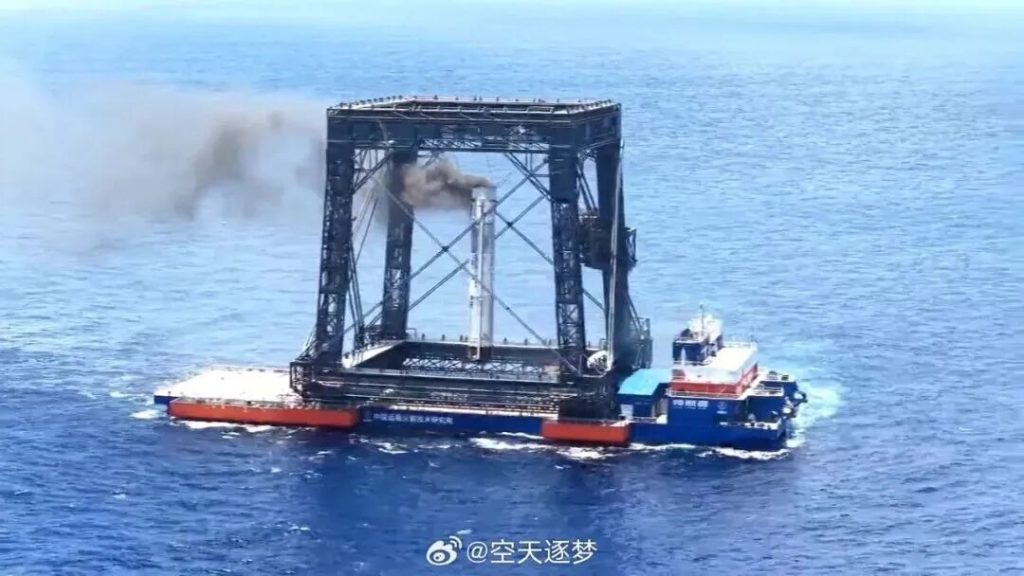
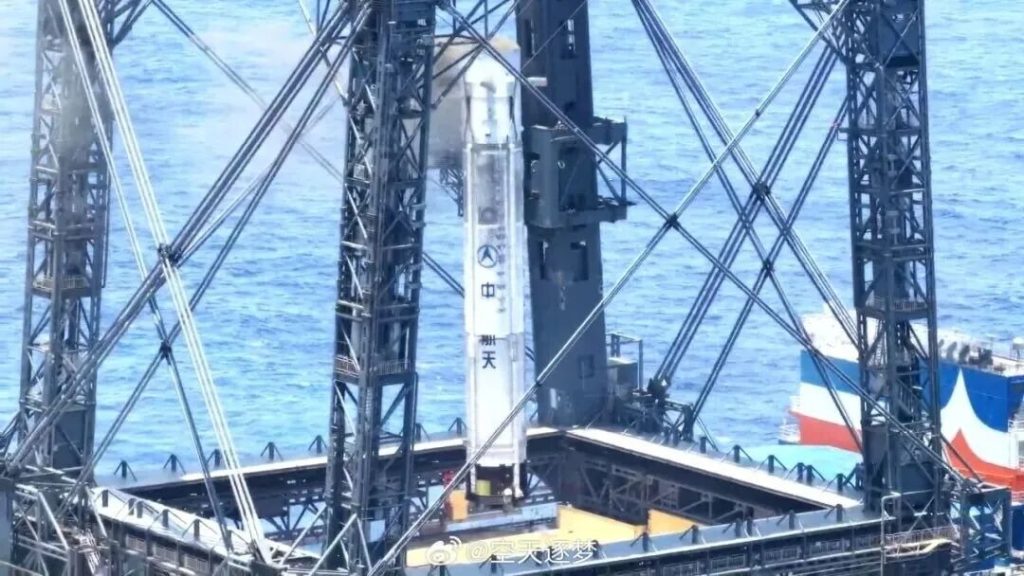
On July 10, 2026, 3Dzyk learnt that at 12:15 PM, the Long March 10B carrier rocket lifted off from the Hainan Commercial Space Launch Site, successfully delivering its satellite payload into the designated orbit. Approximately 6 minutes after the separation of the first and second stages, the first stage made a vertical return and was successfully recovered via a net-based system on a maritime recovery platform.
This marks China’s first successful controlled recovery of a carrier rocket’s first stage, as well as the world’s first successful recovery of a carrier rocket using a net system. The Chinese rocket has finally, successfully “come back.”
For the commercial space industry, bringing the rocket back is only the first step. The next challenges involve addressing costs, reuse lifecycles, and launch frequency.
And in this process, 3D printing is playing an increasingly vital role.
▍ Chinese Rocket Successfully “Caught in the Net”
Developed by the China Academy of Launch Vehicle Technology (CALT) under the China Aerospace Science and Technology Corporation (CASC), the Long March 10B is a large-scale liquid-propellant carrier rocket with a 5-meter diameter.
The rocket has a total length of approximately 63 meters, a takeoff weight of around 760 tons, and a takeoff thrust of about 890 tons. In its reusable configuration, it possesses a Low Earth Orbit (LEO) payload capacity of 16 tons, making it suitable for LEO satellite constellation deployments and large-scale commercial satellite launches.
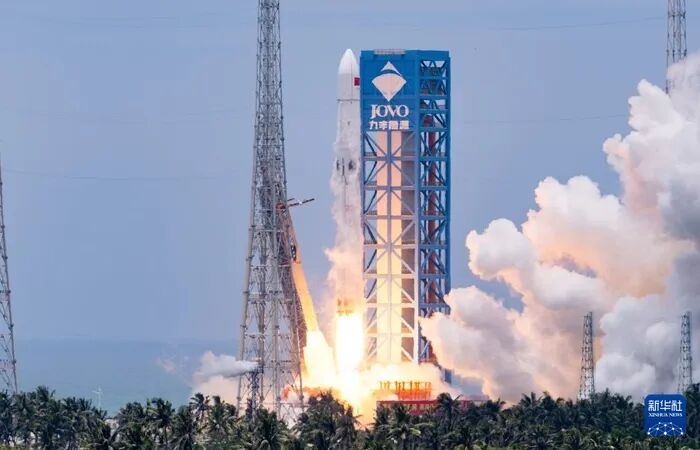
The first stage recovered during this mission is scheduled to fly again before the end of 2026.
Unlike landing-leg recoveries, the Long March 10B utilizes a maritime net-based recovery system, where the platform directly catches the returning rocket. This approach reduces the structural weight of the rocket and improves its adaptability to landing point deviations.
Yet, catching the rocket does not automatically mean it is ready for reuse.
▍ After Recovery, It Still Needs to Fly Again
Reusable rockets must repeatedly undergo launch, return, inspection, and re-flight, which places much higher demands on the engines and structural components.
The more parts there are, the more complex the assembly; the more weld seams there are, the more potential points of failure exist.
Consequently, reusable rockets require lighter, simpler, and more reliable components, while also needing methods that facilitate rapid production and adjustments.
This is precisely where 3D printing shines.
▍ 3D Printing is Becoming A “Standard Equipment” for Commercial Rockets
The interior of a rocket engine contains a massive number of complex flow channels, thin-walled structures, and irregularly shaped components. Traditional manufacturing processes often require these parts to be machined separately and then welded and assembled, which not only involves a long production cycle but also makes quality control more difficult.
Metal 3D printing, however, can directly manufacture complex components such as thrust chambers, injectors, nozzles, and turbopumps, enabling the integrated molding of multiple parts into a single piece.
Currently, domestic commercial rocket enterprises—including LandSpace, Galactic Energy, and Tianbing Technology—have widely applied 3D printing to core components like engine thrust chambers and nozzles. An industry insider previously revealed to 3Dzyk that in some rocket engines, components manufactured using 3D printing account for nearly 95% of the total.
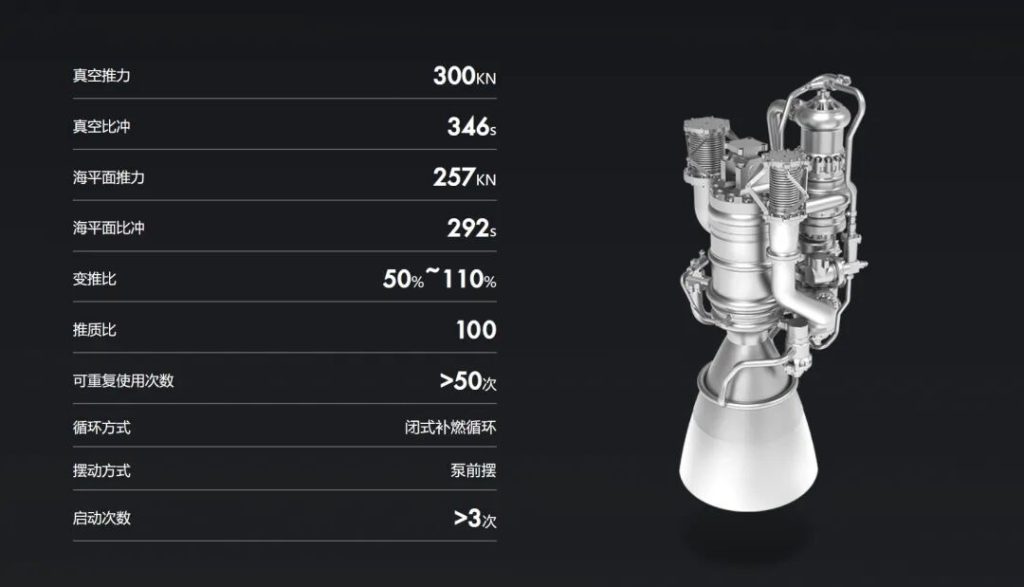
Take the TH-11V engine used on the Tianlong-2 rocket as an example: as the world’s first closed-cycle staged combustion engine to utilize 3D printing, its total number of parts was reduced by 80%, the manufacturing cycle was shortened by 70% to 80%, and both cost and weight were cut by 40% to 50%.
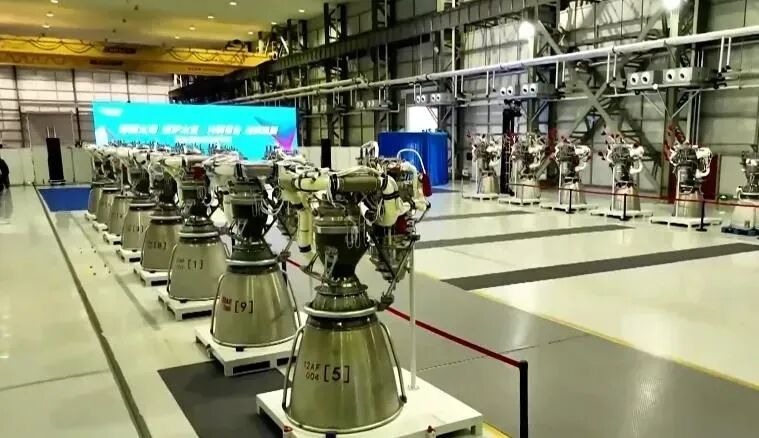
Last year, LandSpace’s 100th Tianque series liquid oxygen-methane engine rolled off the production line, featuring joints, igniter brackets, fuselage components, and thrust chambers all manufactured using 3D printing.
▍ Moving from Single-Piece Prototyping to Mass Production
The recently released 2026 White Paper on the Development of 3D Printing Technology in China’s Commercial Space Industry points out that with the accelerated development of reusable rockets and LEO satellites, China’s aerospace 3D printing is transitioning from single-piece prototyping to mass production.

The White Paper predicts that by 2027, the domestic commercial space 3D printing market size will exceed 15 billion RMB; by 2030, it is expected to break past 30 billion RMB, maintaining a compound annual growth rate (CAGR) of over 35% for the next five years.
Meanwhile, the utilization rate of 3D printing in satellite structural parts and large rocket body structures is expected to rise from the current 35%–50% to over 60%.
▍ A 30-Billion-RMB Market, But the Barrier to Entry Remains High
For aerospace 3D printing to achieve large-scale industrialization, it must still overcome challenges regarding equipment stability, material consistency, defect detection, and certification. In particular, 3D-printed components on reusable rockets must prove they can withstand the rigors of multiple flights.
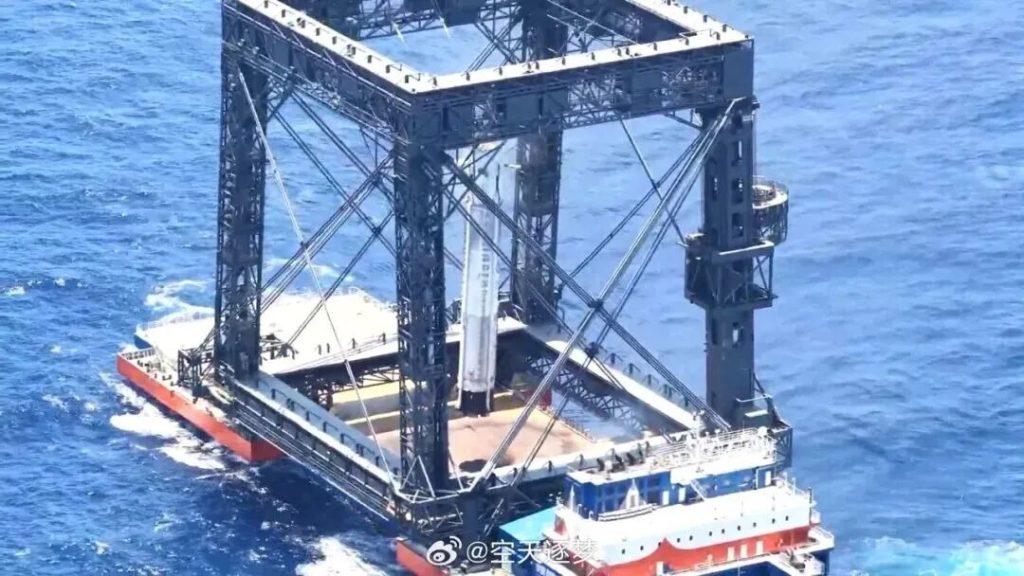
The successful recovery of the Long March 10B is merely a significant first step for reusable rockets. Reducing costs, increasing the number of reuses, and raising launch frequencies remain the long-term goals of commercial spaceflight.
As rockets transition toward reusability, manufacturing methods will transform accordingly. 3D printing is progressively evolving from an advanced prototype process into an essential production tool for the commercial space industry.
The Chinese rocket has successfully returned, but the era of large-scale industrialization for aerospace 3D printing may have only just begun.
 li, chen