
 By li, chen
 The era of mass production in 3D printing is arriving.
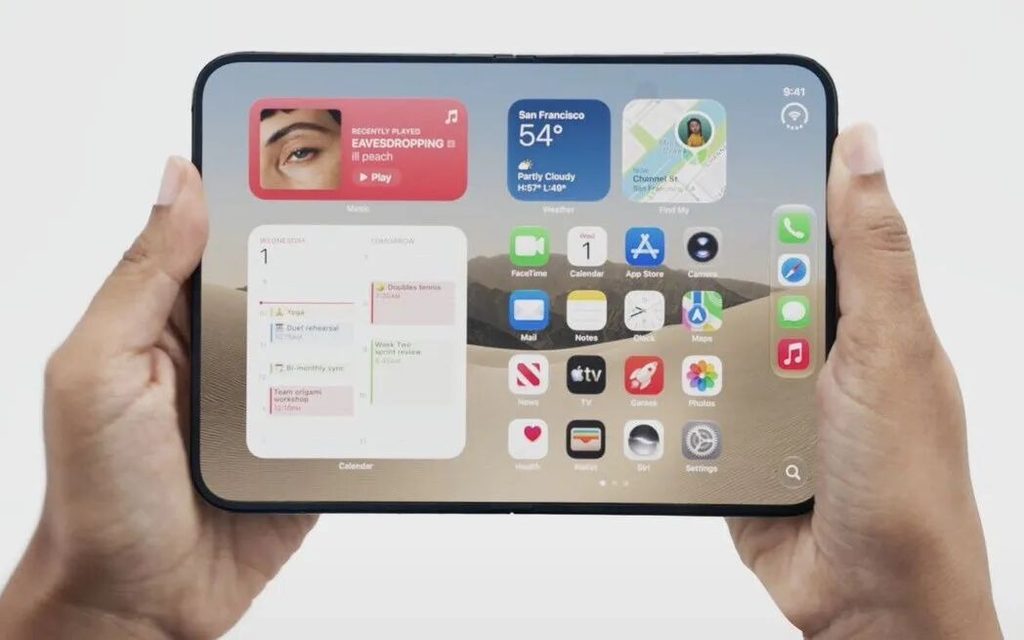
Just now, Apple’s 2026 autumn product launch event took place. The first foldable iPhone Duo made its debut, with a China starting price of 15,999 yuan. The iPhone 18 Pro series, Apple Watch Series 12, Ultra 4, and AirPods 5 also appeared on stage together.

Beyond the new products themselves, Apple’s new progress in 3D printing applications deserves even more of our attention.
01 — Not just watch cases: Apple’s phone frames may also adopt 3D printing
In the past, when talking about Apple’s use of 3D printing, we relied more on leaks from analysts like Ming-Chi Kuo. Now, Apple has given the answer itself: since last year, the mass production application of 3D printing in multiple products has been officially confirmed.
The Apple Watch is the clearest example.
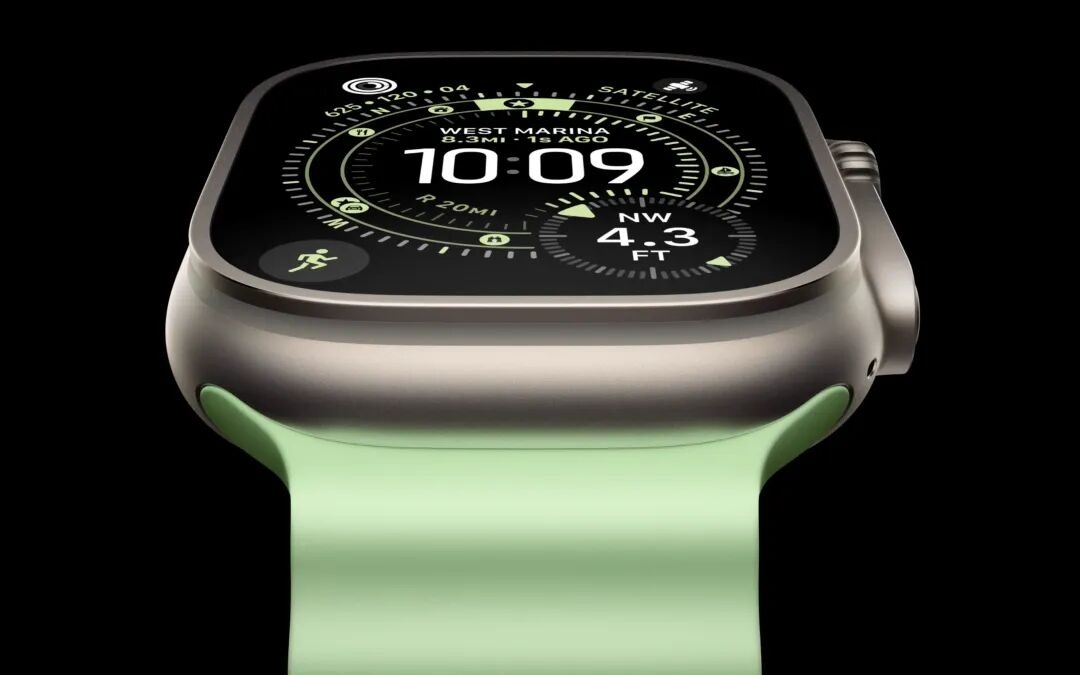
In 2025, the Ultra 3 and Series 11 titanium models fully adopted 3D-printed watch cases, and the just-released Ultra 4 and Series 12 titanium models continue to use them. From early testing to adoption across multiple consecutive product generations, 3D printing has become an important manufacturing method for Apple’s titanium watch cases.
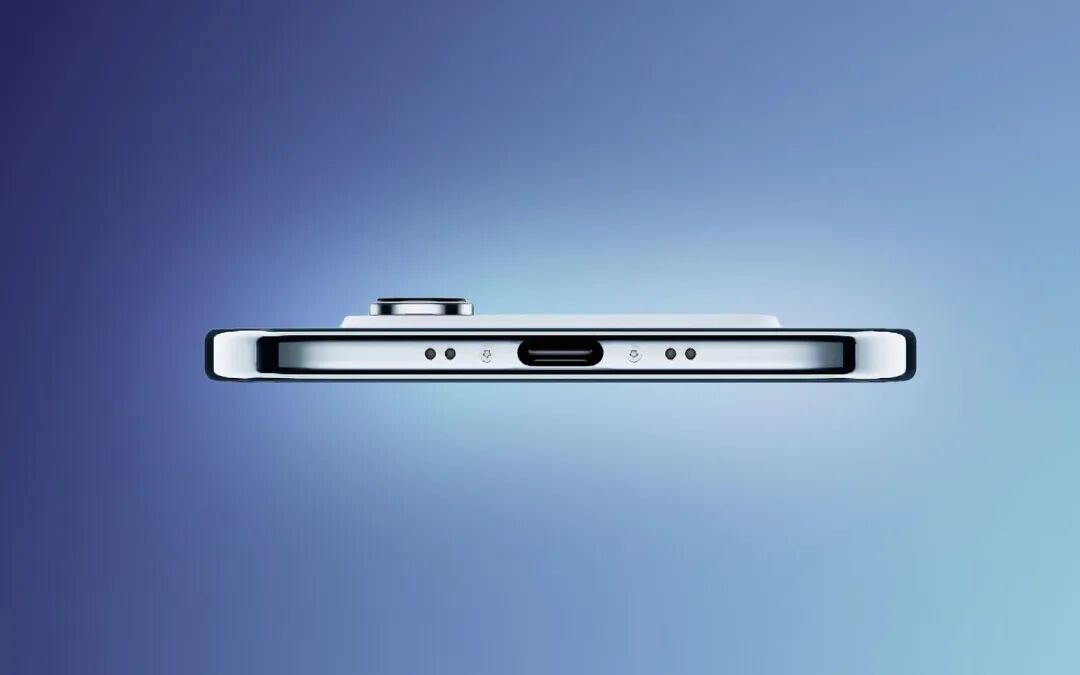
On the iPhone, 3D printing is also starting to break in through small components.
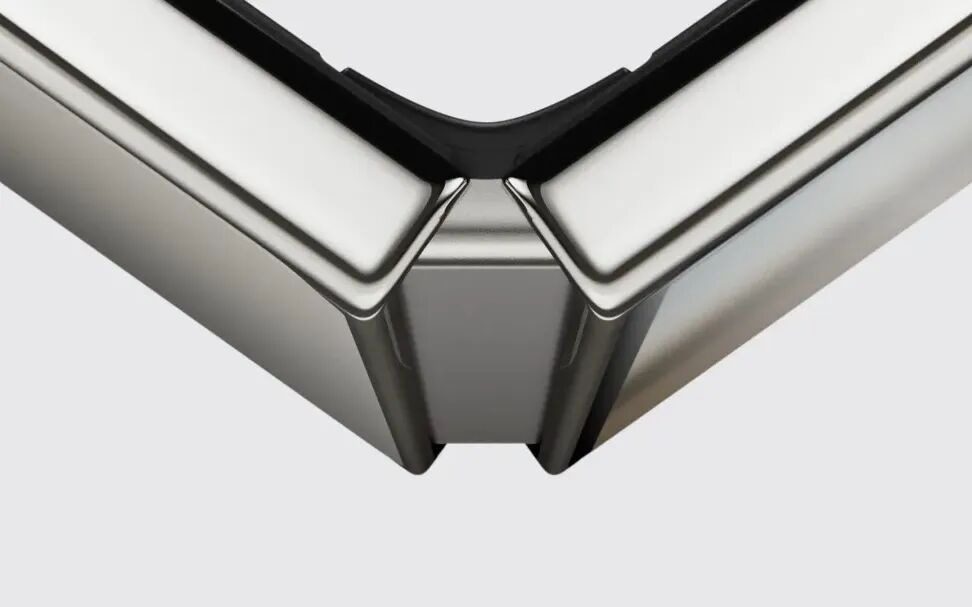
Last year’s iPhone 17 Air used a 3D-printed recycled titanium powder housing for its USB-C port; this year’s foldable iPhone Duo applies this process to the hinge cover, manufactured using 100% recycled titanium metal.
Although the iPhone Pro series, after the titanium alloy frames of the 15 Pro and 16 Pro, returned to aluminum alloy bodies with the 17 Pro and 18 Pro, the iPhone 17 Air and iPhone Duo still use titanium metal frames, indicating that Apple has not abandoned this material path.
Additionally, according to information from the supply chain obtained by Resource Library, related phone frames are currently in production, and the next-generation iPhone is expected to adopt them. There are even rumors that the iPhone 18 Pro had also planned to use a 3D-printed titanium alloy frame, but it was not implemented due to production capacity being prioritized for hinge covers.
02 — Titanium metal entering more 3C products, and 3D printing is indispensable
Since 2023, mainstream 3C manufacturers such as Honor, Apple, and Samsung have successively introduced titanium alloys, driving their application in consumer electronics such as phones and smart wearables. Zhu Xiaokun, Chairman of Tiangong International, predicts that titanium alloys will become fully widespread in the phone industry by 2030 at the latest.
Whether this prediction materializes remains to be seen, but for titanium alloys to expand their applications, how to manufacture them more efficiently and economically is an unavoidable question.
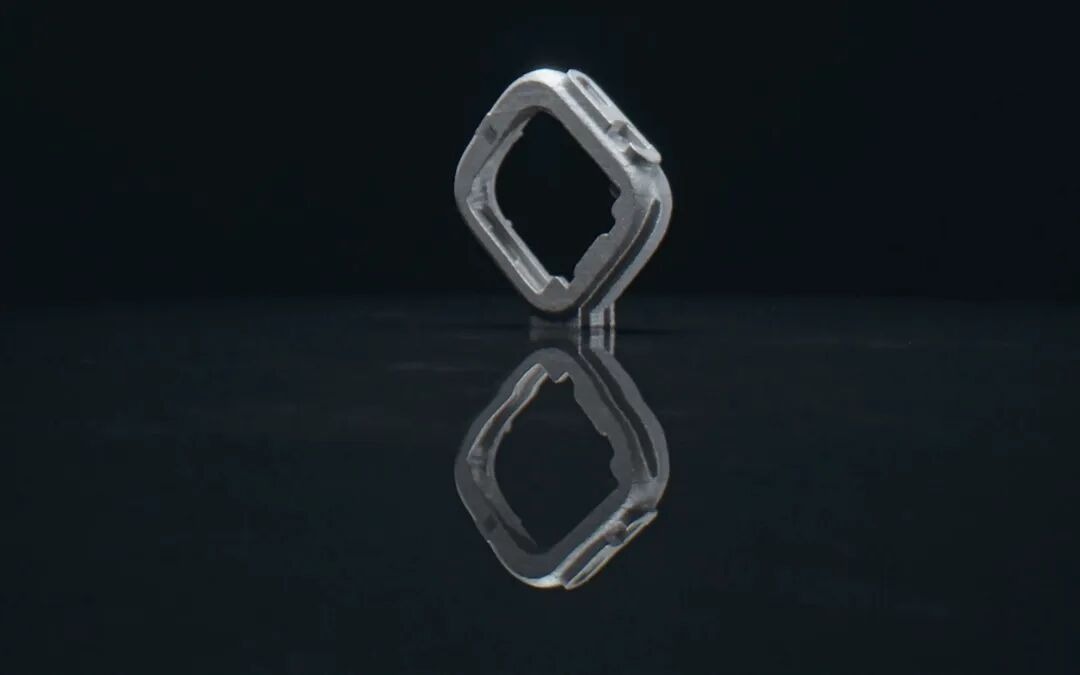
Titanium alloy has poor thermal conductivity, and traditional CNC machining faces challenges such as significant tool wear and relatively low efficiency. 3D printing reduces material waste through near-net shaping, and as equipment efficiency improves and laser and metal powder costs decline, it is expected to further narrow the cost gap with traditional processing.
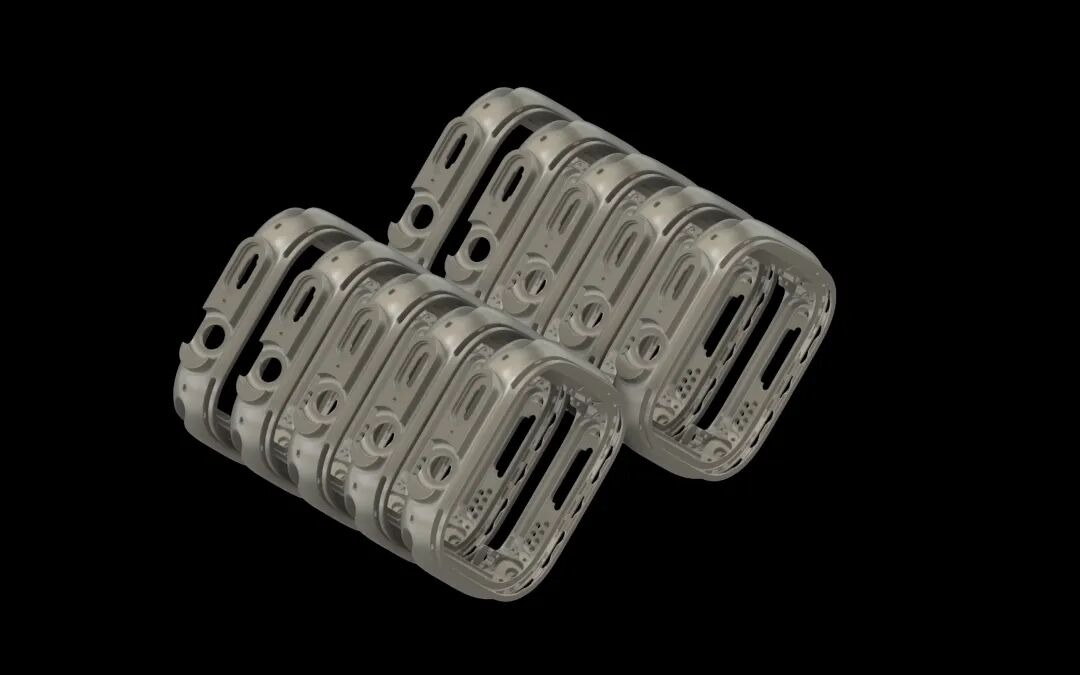
For Apple, reducing material consumption is not only about manufacturing costs but also aligns with its “Apple 2030” goal: achieving carbon neutrality across its manufacturing supply chain and product lifecycle by 2030.
In fact, the Apple Watch has already demonstrated the practical value of this process. Apple disclosed that after adopting 3D printing for the Ultra 3 and Series 11 titanium models, raw material usage for the watch case was reduced by 50% compared to the previous generation. Apple estimated at the time that in 2025 alone, more than 400 tons of titanium raw material could be saved.
03 — Behind Apple’s use of 3D printing, the Chinese companies involved deserve attention
As 3D printing enters more Apple products, the equipment and manufacturing companies behind it are also drawing attention. According to information from the supply chain obtained by Resource Library, domestic companies such as BLT, Farsoon, and Han’s Prowise have participated in Apple-related 3D printing projects.
Based on publicly available business layouts, the three companies each have different focuses.
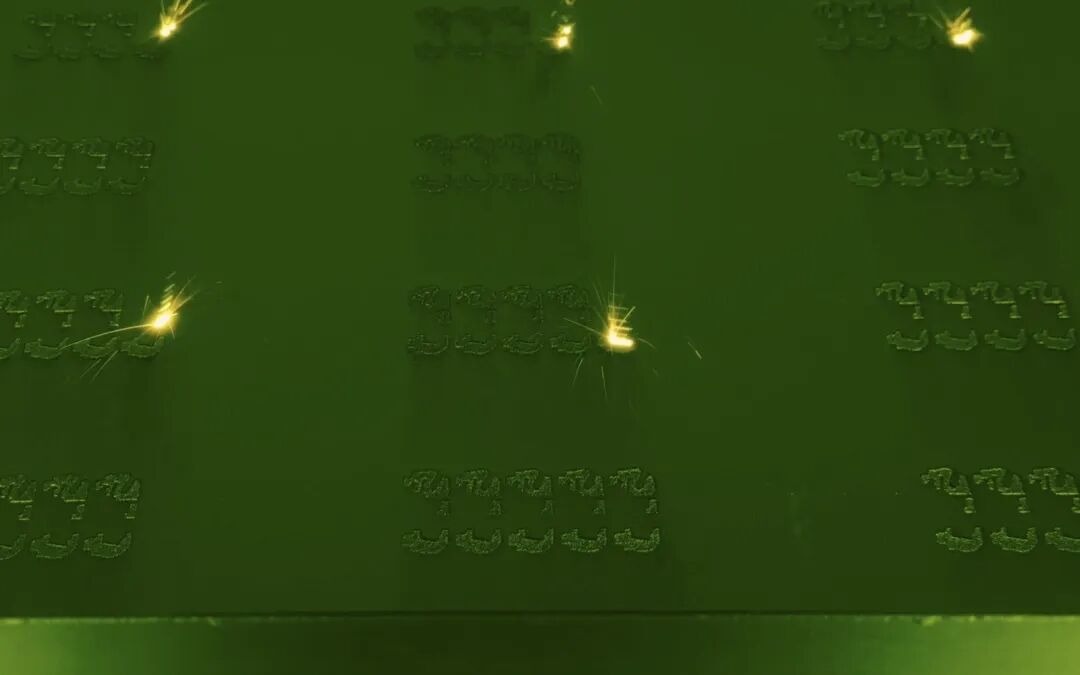
BLT makes equipment and metal powders, and also provides printing services, with business covering multiple manufacturing stages. Currently, the company is stepping up construction of a large-scale intelligent production base for metal additive manufacturing. Combined with this layout, it may take on more batch printing and delivery of parts in the future.
Farsoon focuses on industrial-grade 3D printing equipment as its core, while also providing materials, software, and process support. At the end of 2025, the company expanded into 3C printing services by establishing a joint venture, extending its business from selling equipment to making parts. Both approaches are possible ways to participate in the related supply chain.
Han’s Prowise, backed by Han’s Laser, continues to expand in 3C consumer electronics, with equipment such as the HANS M410 and M420 targeting batch manufacturing of precision metal parts. Its business also covers processing services, and it may in the future supply equipment to manufacturers such as Foxconn to support scaled production.
The above are judgments based on the business characteristics of each company. Specific partners, order volumes, and division of labor are subject to subsequently confirmed information.
Final thoughts
If Apple’s MacBook Pro in 2008 brought more attention to CNC, then in 2026, the continued application of 3D printing in Apple Watches and phones is helping it establish a firm foothold in consumer electronics mass production.
On the other hand, consumer-grade 3D printing is also entering households. One path goes deep into factories, supporting large-batch parts manufacturing; the other path goes onto desktops, enabling ordinary people to create with their own hands.
The next act of 3D printing lies in factory orders—and in the creations of ordinary people.
The spring of this industry is arriving.
 3dzyk
3dzyk