
 By li, chen
— Afterwords of the 2nd GBA Going Global Forum —
The forum has ended, but the real dialogue has just begun.
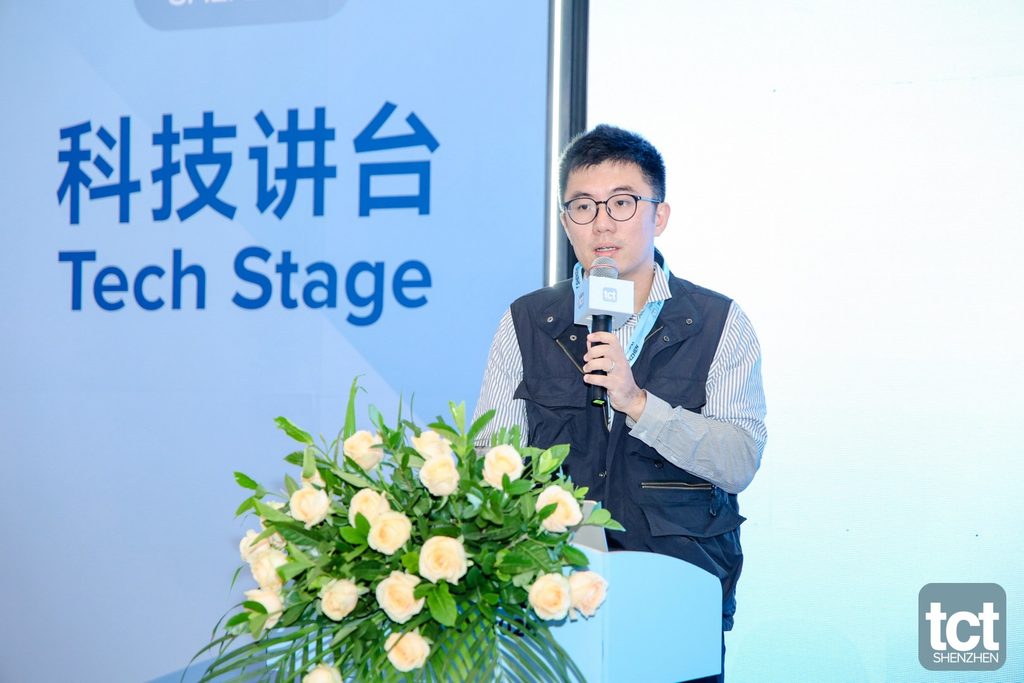
As the organizer, we (3Dzyk, the 3D Printing Resource Library) witnessed so many memorable moments at the TCT Shenzhen Tech Stage: guests from six countries and regions taking the stage one after another, two roundtables crossing languages, and in the audience, Chinese companies about to go global or already on the way. As the venue emptied, one exhibitor told us: “The biggest takeaway today was realizing how close the world really is.”
That sentence is everything we wanted to say. Before going further, allow us to properly introduce these six friends from afar — and the substance they brought — because behind every name stands a door to a real market.
I. Six Guests, Six Doors: First-Hand Views from Across the Asia-Pacific
Korea: Simon of AMPulse, putting China back at the center of the world map
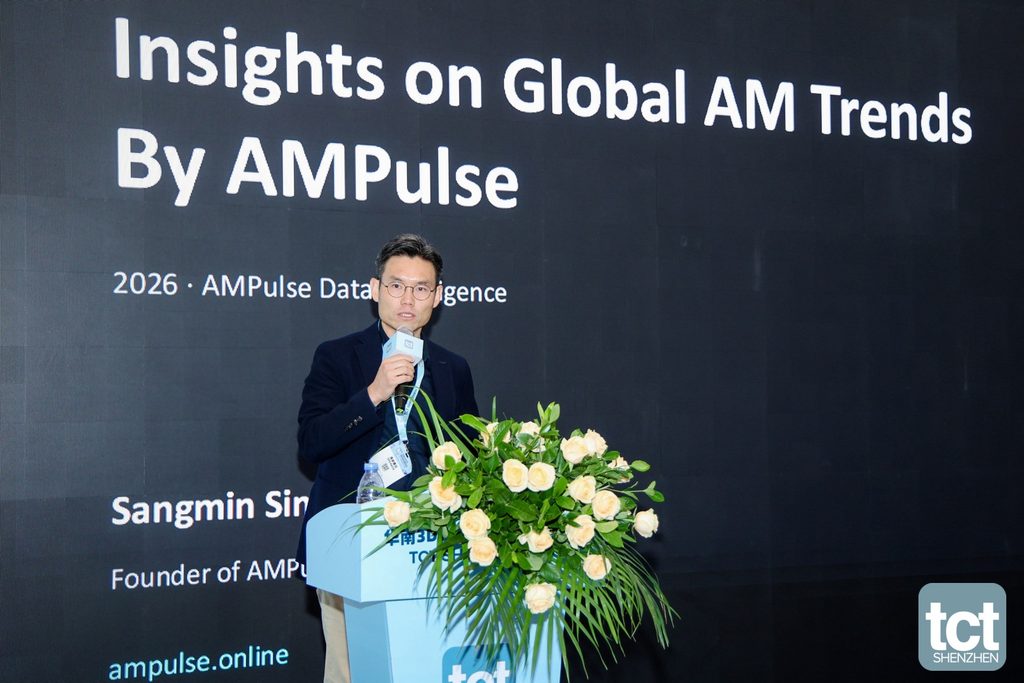
The first to take the stage was Sangmin (Simon) Lee, Founder of Korea’s AMPulse. The hallmark of Simon’s talk, “Insights on Global AM Trends,” was “no drama, just data” — with a set of precise figures, he delivered a panoramic scan of the global 3D printing market, placing the trends of four AM powerhouses — China, Japan, Korea and Germany — side by side on the same screen.
When those curves appeared, the room went silent for a few seconds: whether measured by installed base, material consumption or application penetration, the Chinese market has grown too large for anyone to ignore. Our feeling: we used to be the ones “looking outward” — but as Simon reminded everyone, the world is relearning to “look at China.”
Japan: Eto San of AMIA — the walls are high, but the doors are specific
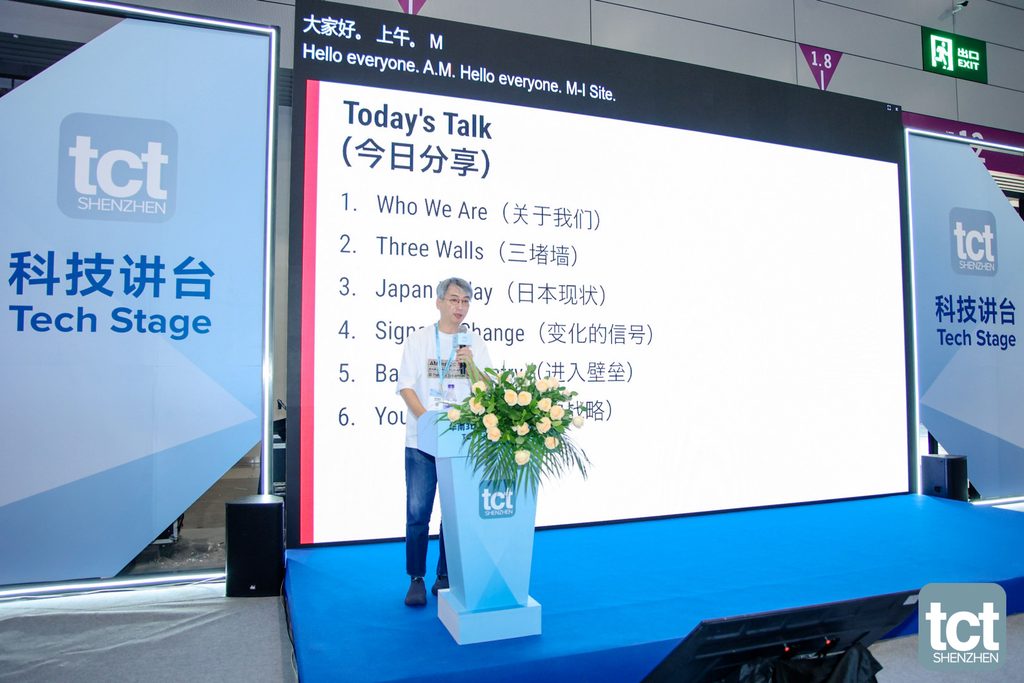
Eto San of Japan’s AM Insight Asia is one of the most down-to-earth speakers we have met on “how to actually do Japan.” He precisely picked the topic every Chinese peer cares about: the real state of the Japanese market and where Chinese companies should enter. He framed it as “three walls” — cultural differences, language barriers and channel inertia — each one real, a point we deeply resonate with.
He also devoted a heavy portion of his talk to local promotion and the importance of choosing the “right” local distributor: in Japan, everything moves slowly, trust is built slowly, and the right distributor almost determines half of your success. In today’s going-global conversation, this is rare, actionable substance.
Singapore: Dr. Aaron Ong — the fulcrum between East and West
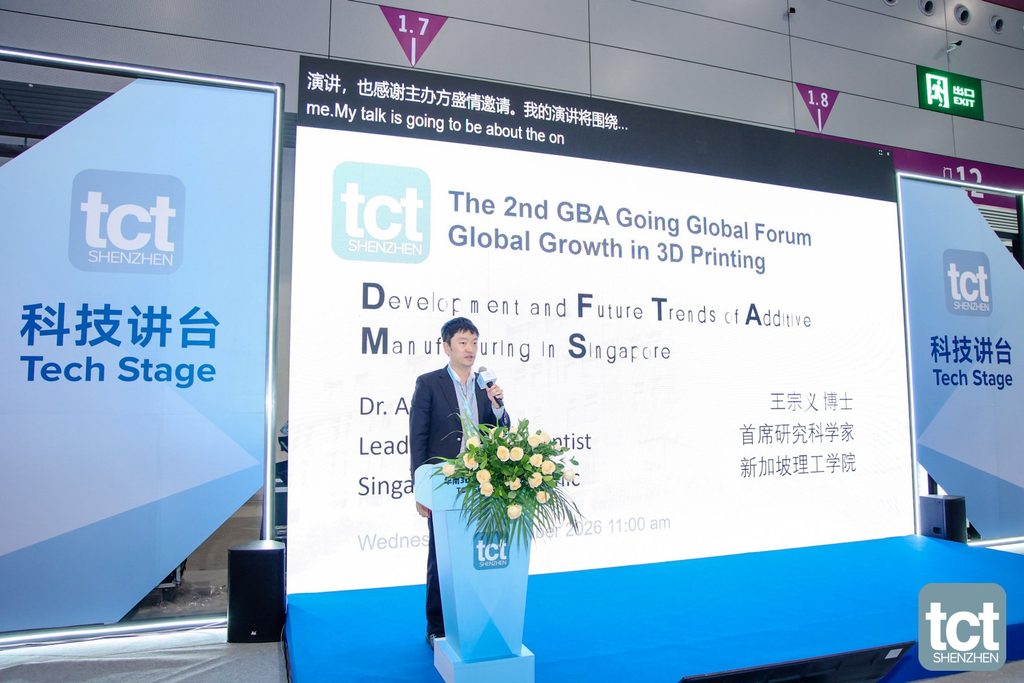
Representing Singapore was Dr. Aaron Ong, Principal Research Scientist at the Additive Research Centre of Singapore Polytechnic.
He spoke about Singapore, but virtually every sentence answered “why Singapore”: as the fulcrum of Southeast Asia and the bridge between East and West, the country already hosts sales and market operations of numerous global and Chinese enterprises; high-caliber talent and a complete industrial ecosystem deliver what every globally minded company prizes most — stability.
He also highlighted the Singapore government’s visionary and generous support for the 3D printing industry. After his talk, we finally understood why so many companies treat Singapore as the “first landing point” for entering Southeast Asia.
The Philippines: Fred and Dr. Eman — don’t overlook this neighbor
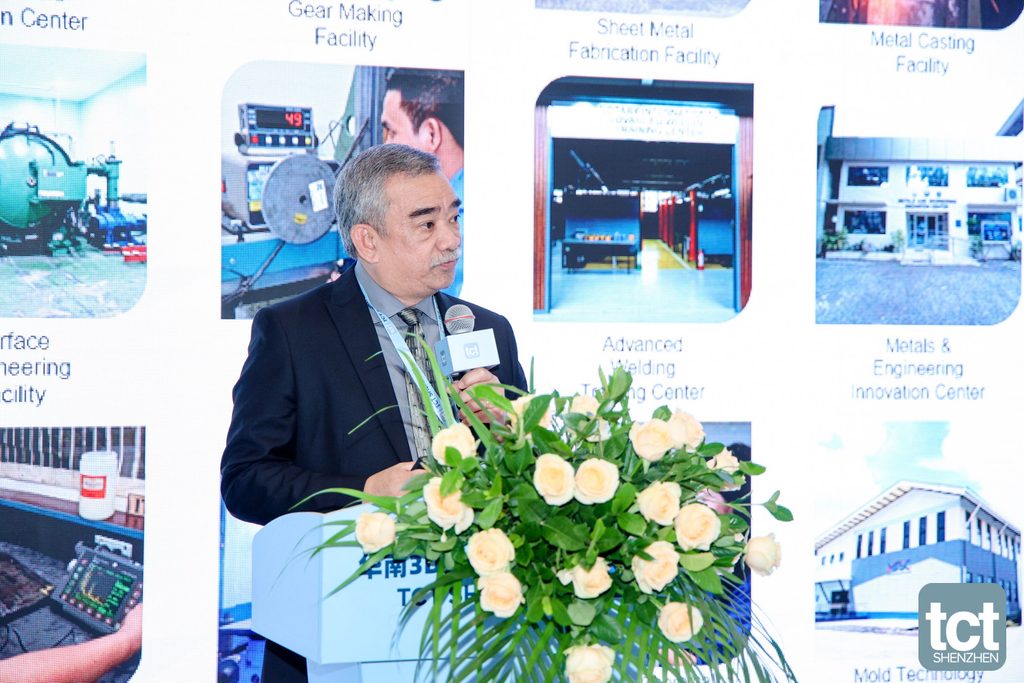
The two guests from the Philippines came from DOST-MIRDC under the Department of Science and Technology: Fred P. Liza, the officer in charge, and research representative Dr. Eman.
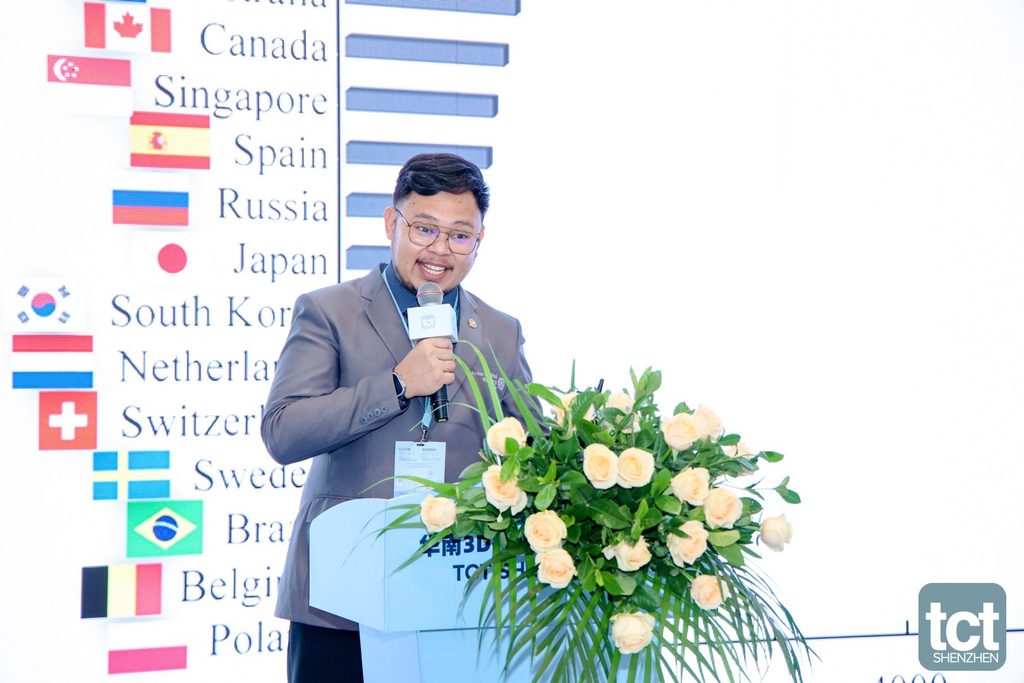
Honestly, on the Asia-Pacific AM map, the Philippines is often the overlooked neighbor — but their presentation deepened our understanding of the country’s persistence and progress in AM: from national-level research facilities and metal casting and advanced welding training centers to solid industrial policy, the Philippines’ accumulation far exceeds outside perceptions.
At the close of their talk, they made a heartfelt appeal: starting from this moment, let China–Philippines technical exchange and cooperation grow ever closer. That is a message we are glad to carry to more Chinese peers.
Malaysia: Wan Qi — one country, many opportunities
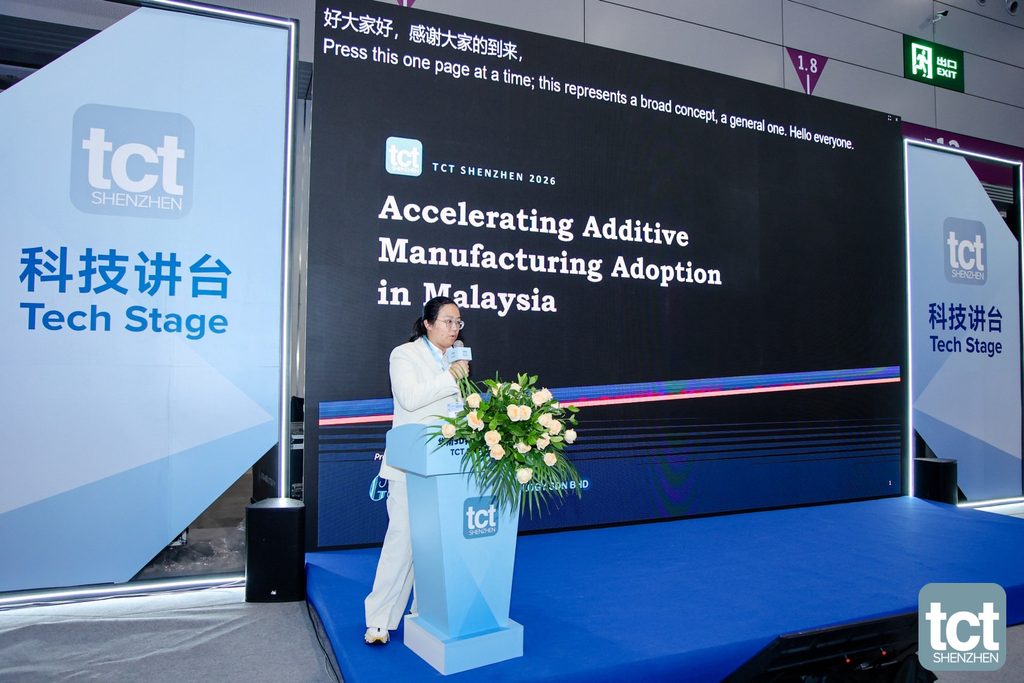
Wan Qi of Malaysia’s Jinde Precision has long lived in Penang. While introducing Malaysia, she repeatedly emphasized that different regions of the country have their own industrial specializations and divisions, and acceptance of 3D printing varies accordingly.
Take Penang — crowded with multinationals and surging in semiconductors, which is precisely a major reason they are entering metal 3D printing; meanwhile, Penang’s strong Chinese community offers natural warmth toward Chinese companies. Our takeaway: in Malaysia, “choosing the right city” matters more than “understanding the country.”
Indonesia: Roy Kusuma — the change has already begun
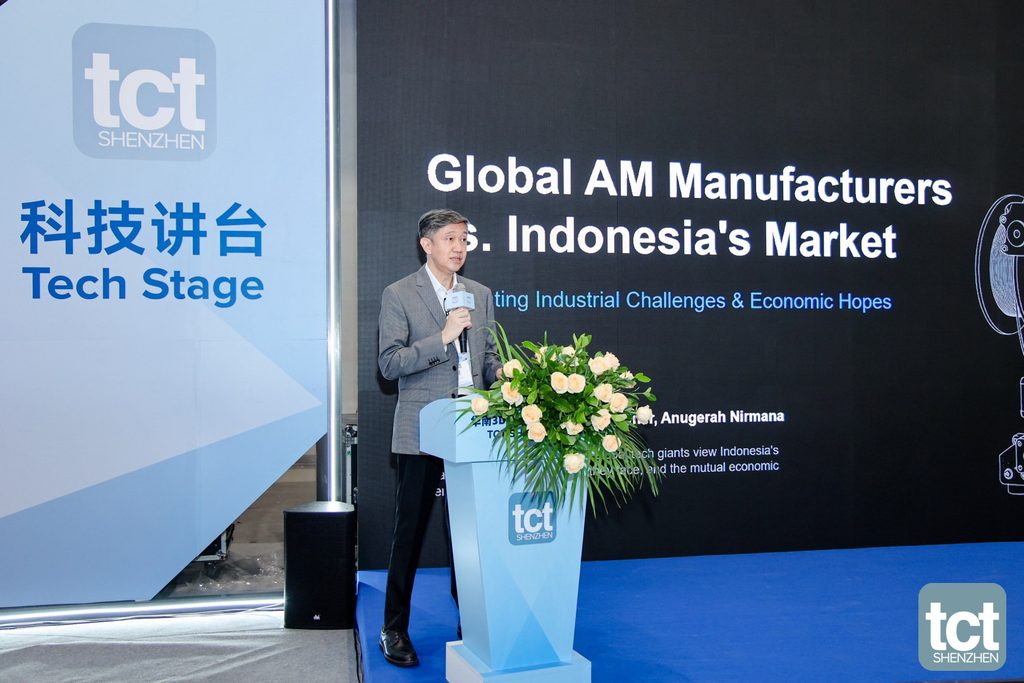
The last of the international speakers was Roy Kusuma of PT. Anugerah Nirmana, Indonesia. In half an hour, Roy turned this country — fourth in the world by both population and land area — into a vivid, tangible market concept. What earned our deepest respect was his background: before his decade of dedication to 3D printing, Roy had accumulated 35 years of manufacturing experience in Indonesia.
Thirty-five years of manufacturing layered with ten years in AM have made him confident about Indonesia’s future large-scale adoption of 3D printing — and this is no rosy imagination: over the past two years, the amount Indonesians spend on 3D printing products and equipment has already surpassed that of many neighboring countries. The change is not “about to happen” — it is happening.
II. After the Roundtable: Six Answers, One Consensus
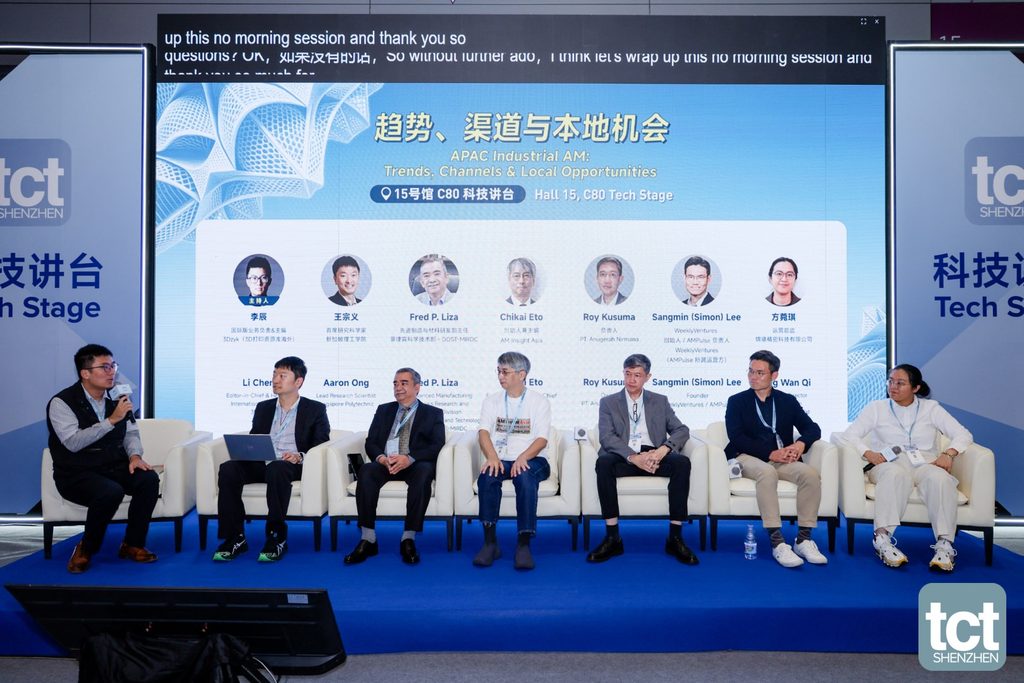
After the speeches, we held an English-language pan-Asia-Pacific roundtable, bringing all six guests back on stage for a collision of ideas: for every question, the answers differed because they came from different countries — that is exactly the charm of Asia-Pacific; it is not one market, but six.
Yet on the very last question, everyone gave the same answer without hesitation: they all hope for more exchange and cooperation with China’s 3D printing industry, and they are all bullish on this track.
At that moment, the theme of our forum no longer needed any explanation. This is the truth of global additive manufacturing today: it is not about who depends on whom, but mutual necessity. China has the most complete industrial chain and the most active innovation; the world offers vast markets and diverse demand. What’s missing has never been willingness — it is connection.
III. Act Two: Brand — the Real Decisive Factor of Going Global
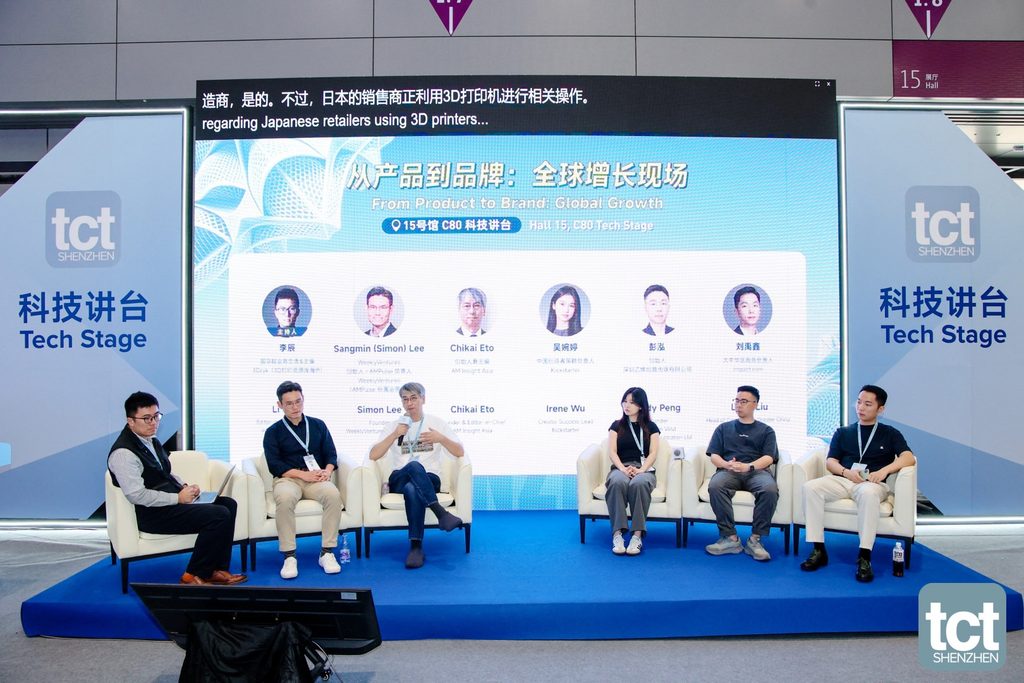
In the second half, we shifted the lens from “channels” to “brand,” welcoming business leads and founders from Kickstarter, impact.com and Vinyl Creative to discuss brand promotion and influence beyond localized channels: Why is 3D printing being pulled into the mainstream? Why does branding matter so much for 3D printing companies expanding overseas? And which companies have already gained a firm foothold, drawing the world’s eyes to China?
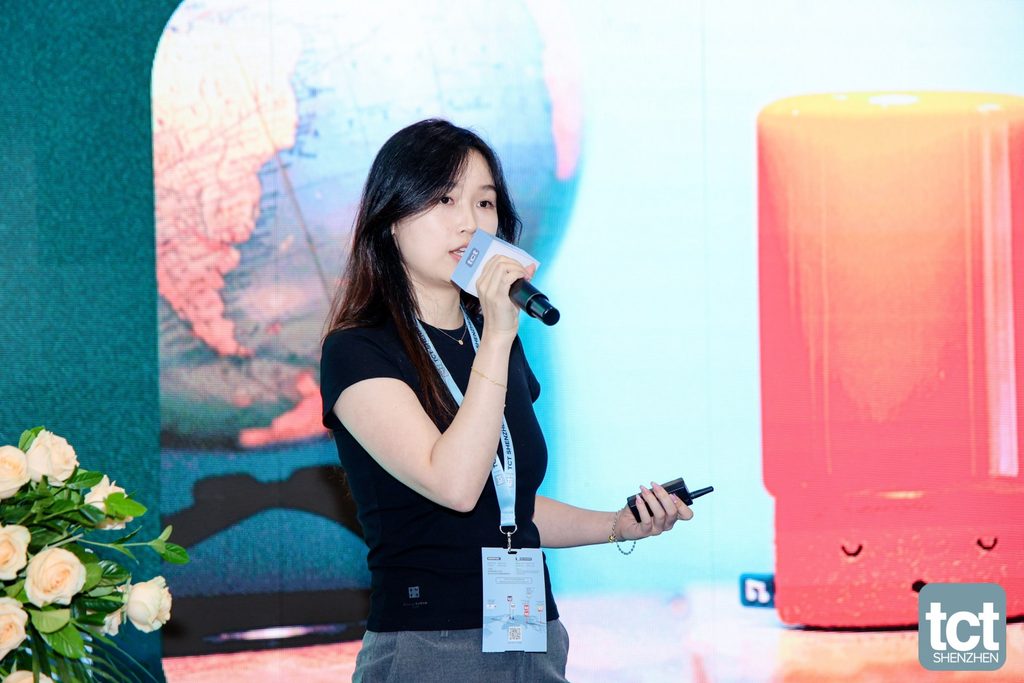
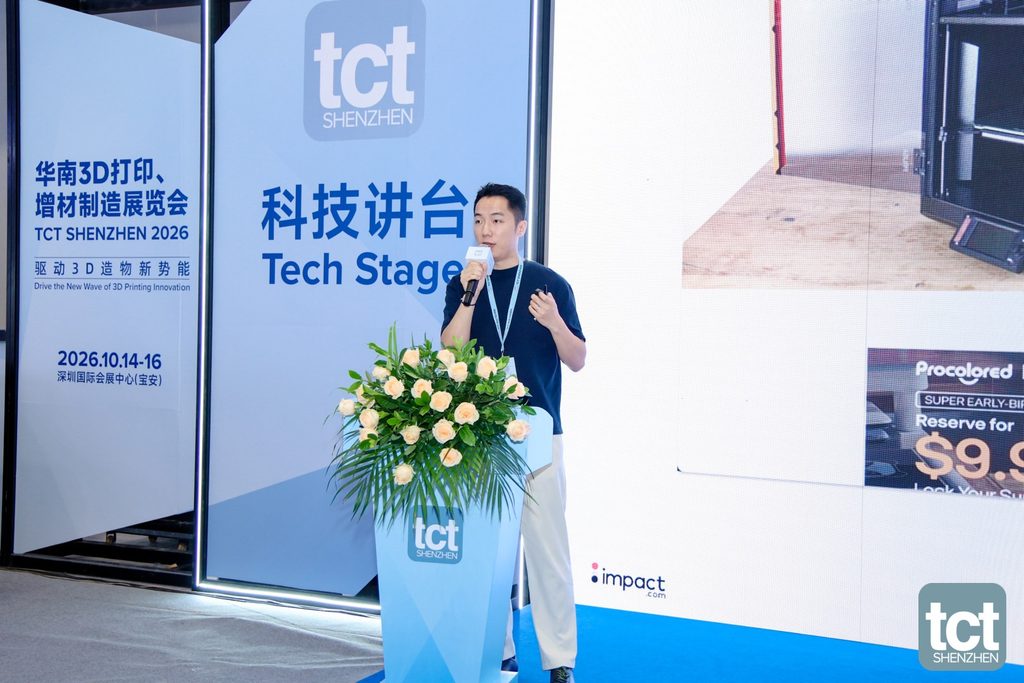
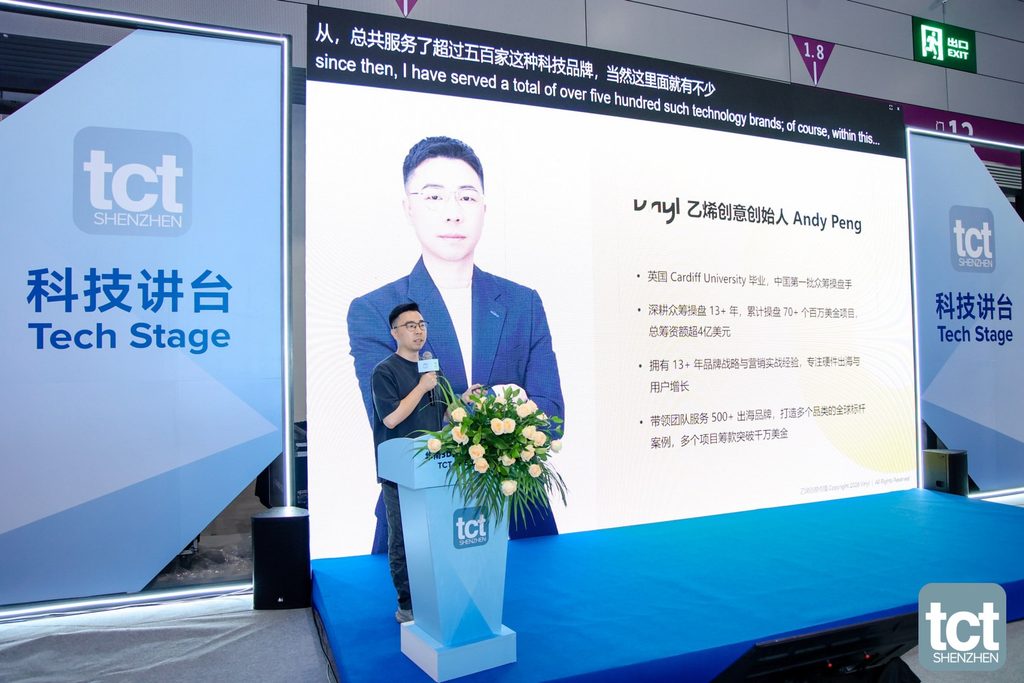
Crowdfunding unlocking overseas consumer markets, layer-by-layer breakdowns of hit-product cases, partner marketing and affiliate growth strategies — behind all these methodologies lies one conclusion: product export is only the starting point; brand export is the moat.
For the finale, we invited Eto from Japan and Simon from Korea to join Li Chen of 3Dzyk, together with 3D printing media and brand marketing companies, for a final discussion. One consensus emerged: in a globalized deployment, how you present “the company” — rather than the product itself — in front of customers in different regions has become more valuable than ever in today’s fiercely competitive market.
IV. What 3Dzyk Wants to Be Is That Bridge
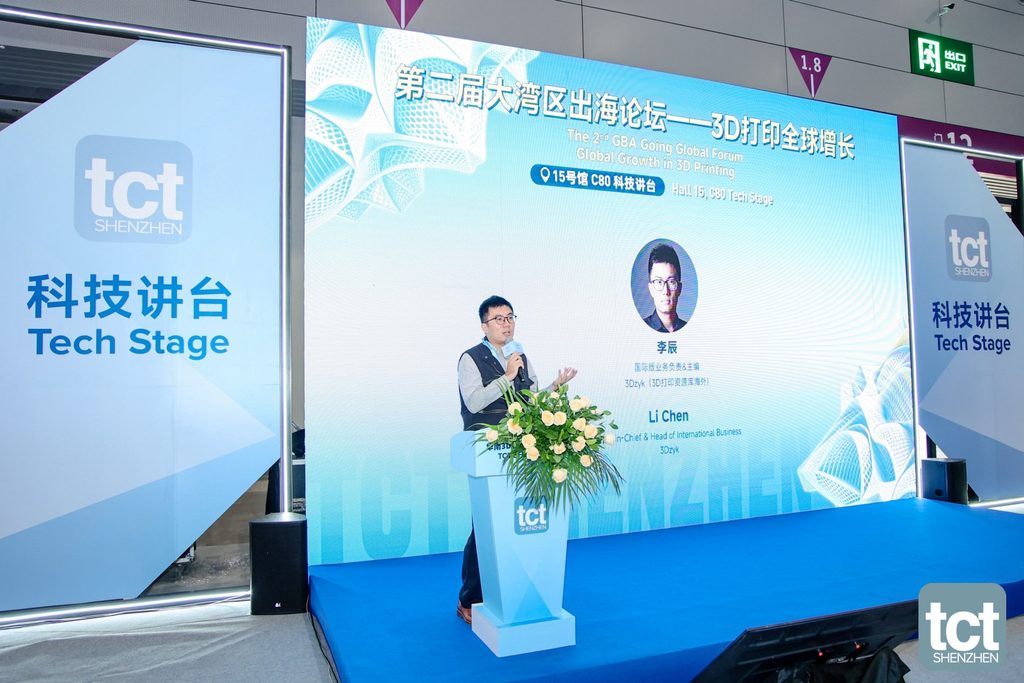
This forum strengthened our conviction about 3Dzyk’s role: to be the bridge between China’s 3D printing industry and the world.
We are not just a media outlet, nor merely an event organizer. From the planning of this forum onward, everything we do serves one goal: to put first-hand market intelligence, trusted local experts and actionable cooperation opportunities into the hands of Chinese companies — so that going global is no longer crossing the river by feeling the stones, but a certain journey with guides and resources.
The six overseas speakers on stage are a snapshot of the global expert and channel network we have built over the years — and the network keeps growing: policy, capital, compliance, channels, branding. At every necessary checkpoint of going global, we are finding “the right person” for you.
V. Our Resources Are Now Open to You
After the forum, we have compiled a selection of the speakers’ presentation decks, covering:
–Market access and industrial policies across Asia-Pacific(Korea, Singapore, the Philippines)
– Hands-on experience in building local channels and choosing distributors (Malaysia, Indonesia,Japan)
– Overseas crowdfunding methodology and hit-product case studies (Kickstarter, Vinyl Creative)
– Partner marketing and affiliate growth strategies (impact.com)
If you are interested in going global and brand building, leave a comment below and we will reach out to share them; companies seeking concrete steps for international expansion are also welcome to contact 3Dzyk for first-hand intelligence and resources.
VI. Two Moves Already on the Board
This forum is not the finish line, but the first step on our roadmap of “connecting China and the world.” Two more moves deserve your attention:
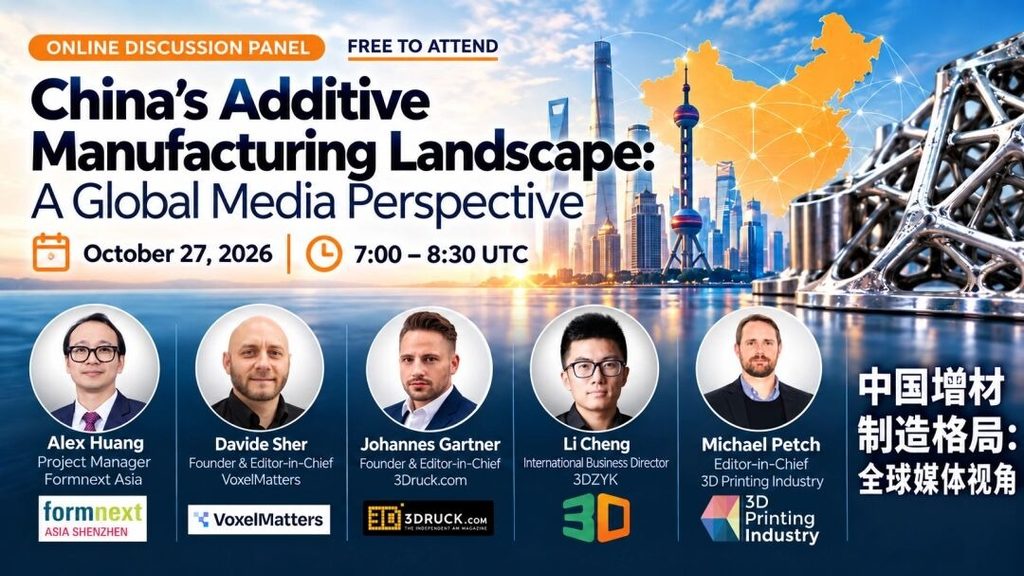
First, the online seminar this Tuesday (November 27). We will connect with five overseas industry media outlets to discuss the trends and future of China’s 3D printing. Without leaving home, hear how the world views Chinese manufacturing — be sure to tune in.
Second, Formnext in Germany this November. 3Dzyk will be in Frankfurt in person, paving the way to the European market for Chinese companies and linking global resources. If you plan to exhibit or visit, come along — beyond the online dialogue, we look forward to shaking hands with you in Germany.
Final Words
People ask why we keep organizing forums like this. The answer is simple: the next chapter of China’s 3D printing industry will surely be written through its linkage with the world. And 3Dzyk is committed to standing right beside the head of that roundtable — introducing the world to China, and China to the world.
The wind is rising. See you online — or better, see you in Germany!