
 By tan, wenjie
 To everyone who has been part of this journey: every effort has been worth it.

Today, if you stop someone on the street and ask, “Have you heard of 3D printing?”
The answer is most likely “yes.”
But rewind a decade or more, and the picture was completely different. Back then, 3D printing was still a niche concept, and we were the “minority” in the industry. Very few people around us knew what 3D printing was or what it could do.
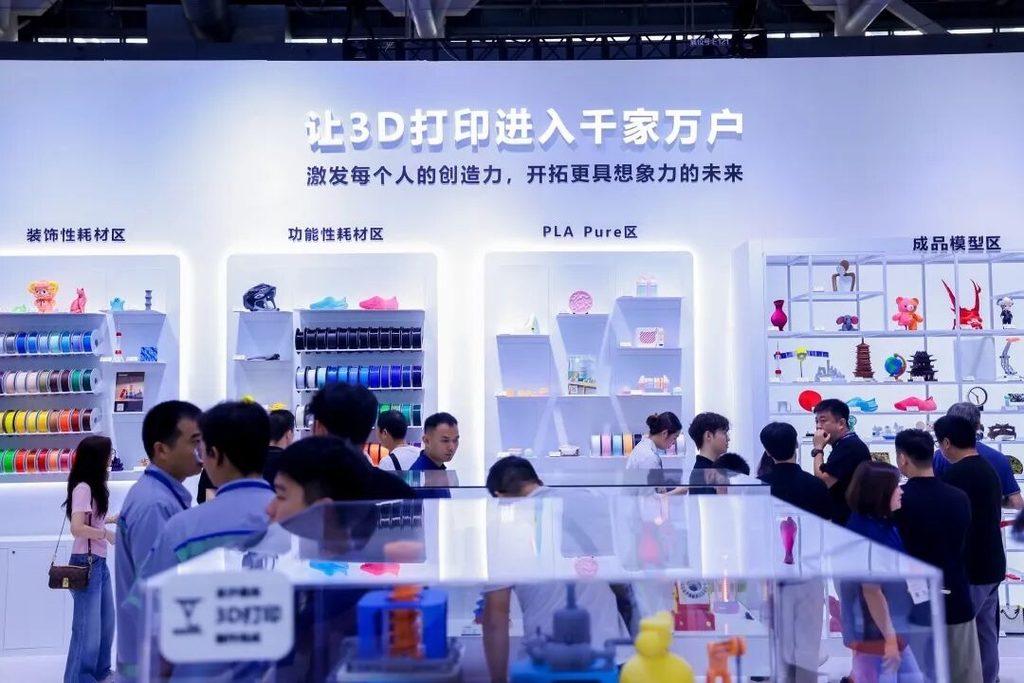
Today, the most difficult phase of market education is becoming a thing of the past. We are witnessing 3D printing moving from a tool for the few to serving thousands of industries—and beginning to enter millions of households.
Just recently, the 3-day Formnext Asia Shenzhen exhibition came to a close. As I sat down to write this summary, the first thought that came to mind was: As a member of the 3D printing industry, I am proud and fortunate—we are both witnesses and participants.
01 — High-speed growth is the real foundation behind the buzz
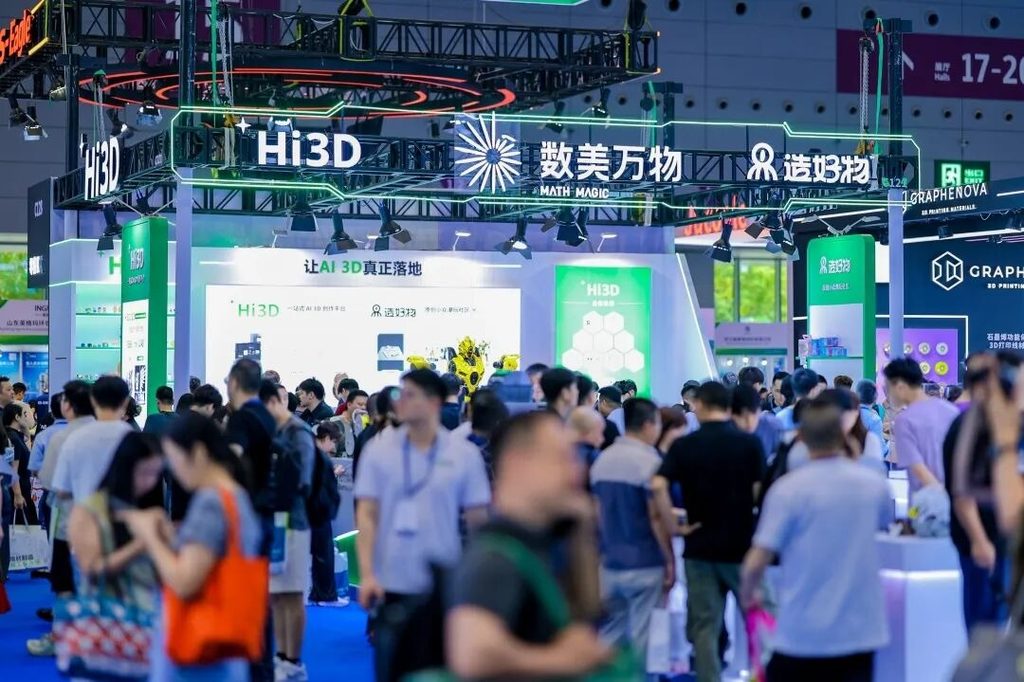
The most immediate impression everyone had at this year’s exhibition was: crowded, truly crowded.
Many booths were surrounded by visitors from morning till evening, with staff delivering one presentation after another, too busy even to take a sip of water. After three consecutive days, many people had lost their voices.
Many also asked: Why was this year’s turnout so high? It didn’t seem this lively in previous years.
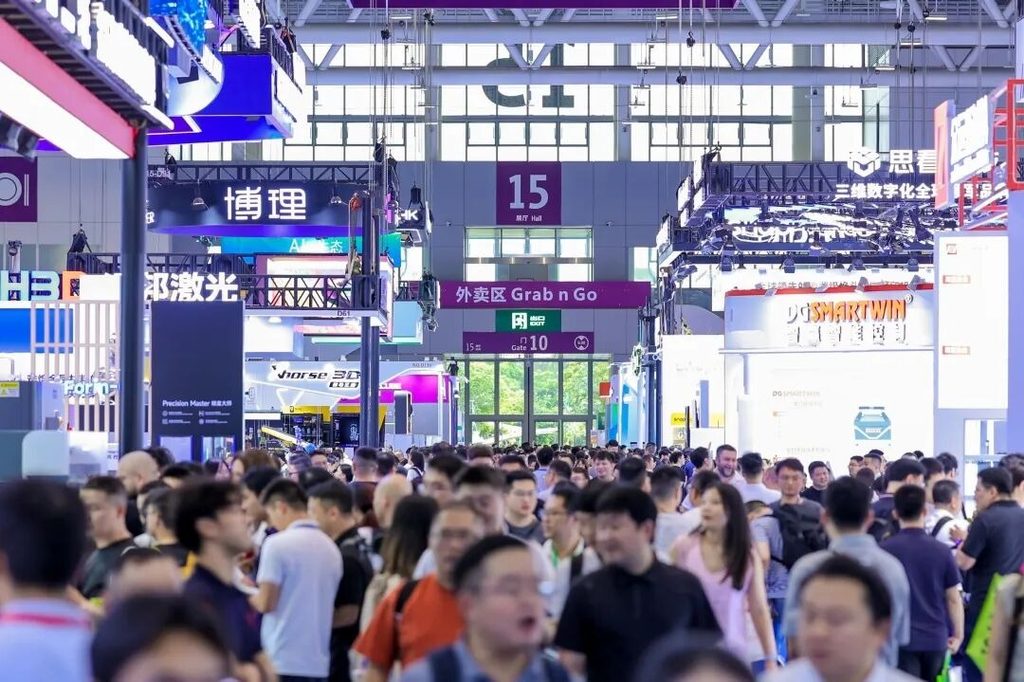
Looking back, the answer isn’t hard to find. The exhibition’s popularity didn’t come out of nowhere—it’s backed by the rapid growth of the entire 3D printing industry.
If you regularly follow the data released by the National Bureau of Statistics, you’ll notice that 3D printing equipment has become a “regular feature.” Since the start of this year, domestic 3D printing equipment production has maintained year-on-year growth of around 50%, with growth rates frequently ranking among the top of major industrial products—even surpassing lithium-ion batteries and industrial robots.
Exports are also booming. In the first half of this year, China’s 3D printer exports nearly doubled in volume, and export value more than doubled. By July, the growth momentum showed no signs of slowing.
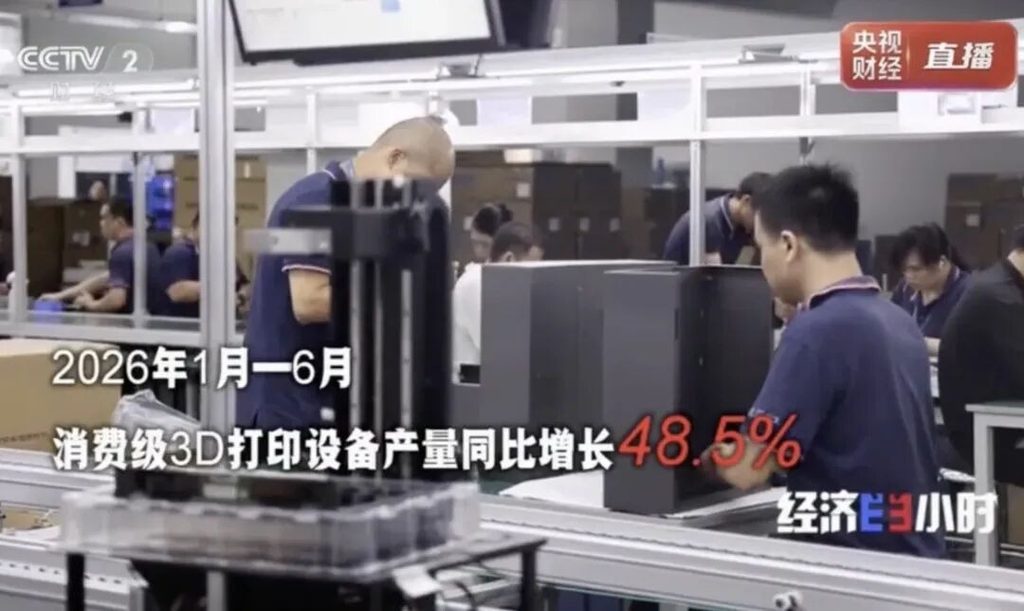
Recently, another change has become quite evident: 3D printing is appearing on CCTV news with increasing frequency.
Before, every time we saw it, we would get excited. Now, perhaps we should gradually get used to it—because going forward, such coverage will only become more common.
The industry is growing, and 3D printing is being seen by more and more people.
02 — Consumer demand heats up, 3D printers are entering ordinary homes
3D printers are no longer out of reach.
In the past, an entry-level 3D printer often cost over 5,000 yuan, and better-configured models could run 7,000 to 8,000 yuan. Now, there are plenty of choices around 1,000 yuan.
Prices have dropped, yet the machines have become better than ever.
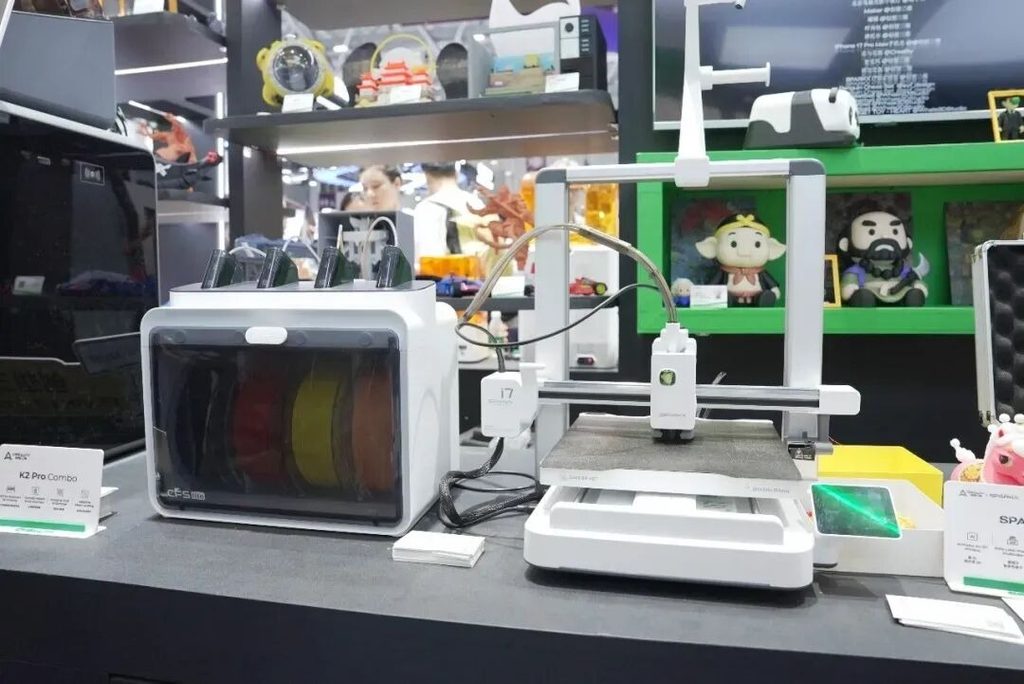
Today’s consumer-grade 3D printers not only offer higher print accuracy and better stability, but are also easier to operate. Many machines no longer require complex parameter adjustments—you can start printing with a single click.
Materials have also become much more affordable. A roll of PLA filament costs only about 30 yuan.
The question of “what to print” has also been addressed. Manufacturers come with built-in model platforms where users can download models for free.
Coupled with the growing number of AI tools, you can generate 3D models from a single sentence or image—meaning even those who don’t know how to model can try printing on their own.
Lower prices and simpler operation are only part of the story.
Another important change is that 3D printers are reaching consumers through offline channels.
Today, you can find 3D printers at Sam’s Club, Apple authorized resellers, JD Home, and shopping malls like Mixc.
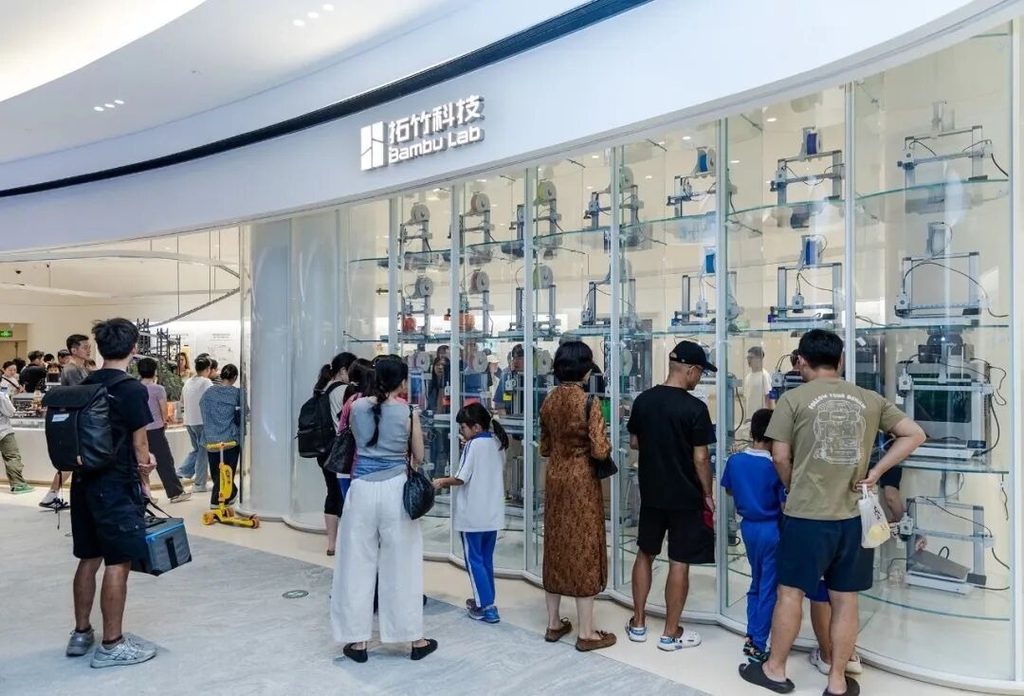
In the past, consumers could only look at pictures and specifications online. Now, they can visit stores to experience the machines firsthand, see what 3D printers can actually do, chat with sales staff, and choose the product that best fits their needs.
If you’ve already made up your mind, you can even order on food delivery platforms—like ordering a meal, but having a 3D printer delivered to your door.
When price, experience, content, and distribution channels all begin to mature, 3D printers naturally get closer to ordinary households.
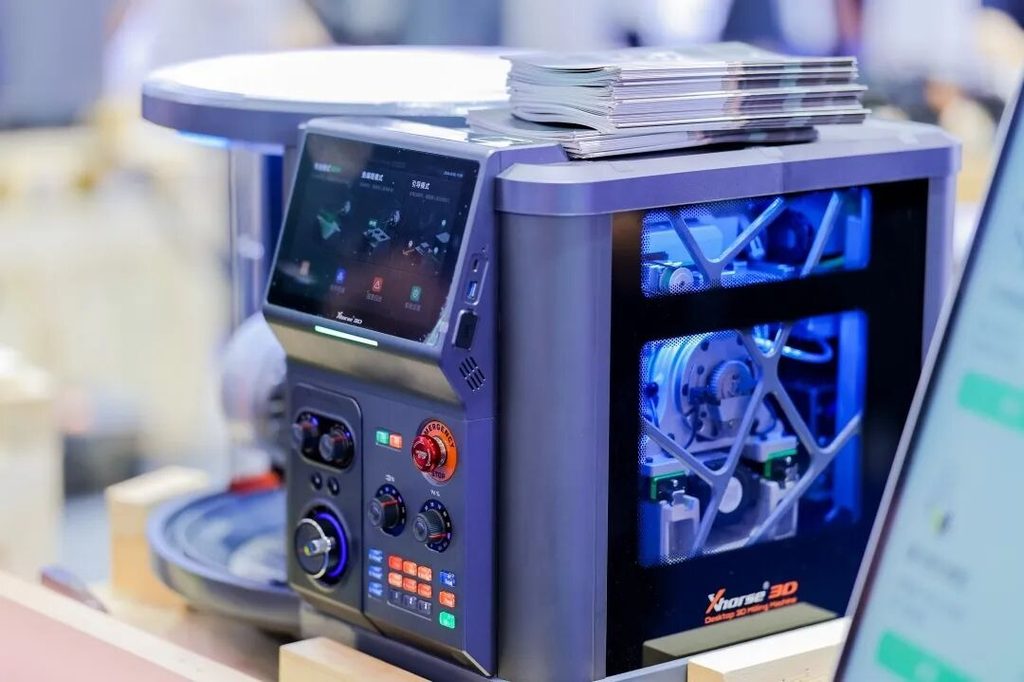
We’re also seeing another trend: laser engravers, desktop CNC machines, and UV printers are becoming increasingly common. A more complete desktop manufacturing ecosystem is taking shape.
The era of personal manufacturing going mainstream is arriving.
At the same time, AI will become the key link connecting creativity and manufacturing. It not only generates models but will also deeply integrate with these desktop tools, turning ideas directly into physical objects.
03 — Industrial adoption accelerates, 3D printing moves from prototyping to mass production
In the past, industrial-grade 3D printing was mostly used for prototyping.
Take SLA photopolymerization, for example—it was primarily used for sample parts in its early days. SLM metal 3D printing was concentrated in high-end fields like aerospace, with limited volumes that could hardly be called mass production.
Today, the biggest change is that 3D printing is entering more civilian markets.
In the 3C electronics sector, the 3D-printed titanium alloy USB-C port of the iPhone Air, the Apple Watch Ultra 3 and titanium Series 11 watch cases, and the hinge components of Honor and OPPO foldable phones are already using 3D printing.
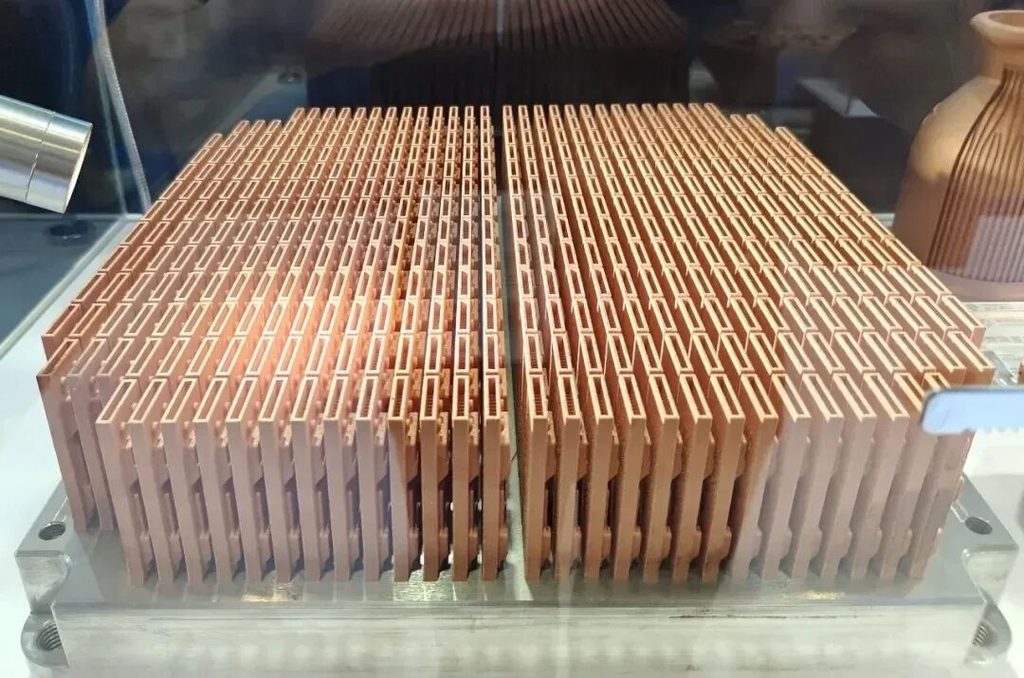
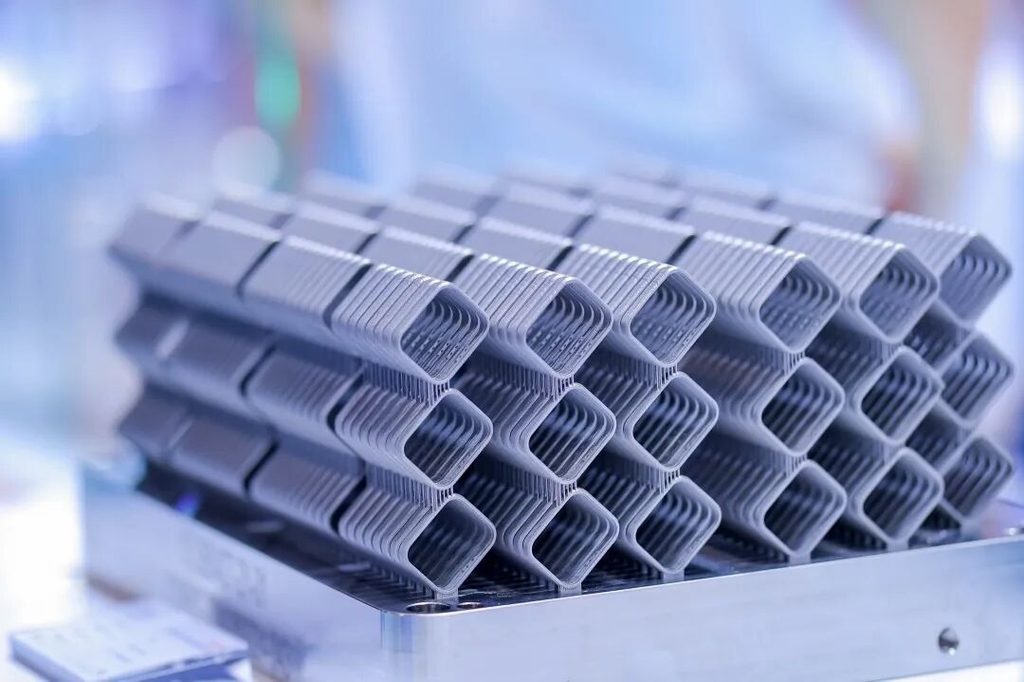
In thermal management, 3D-printed pure copper liquid cooling plates are becoming a new solution. AI server liquid cooling plates, IGBT liquid cooling plates, and other products are also moving from early validation to batch applications.
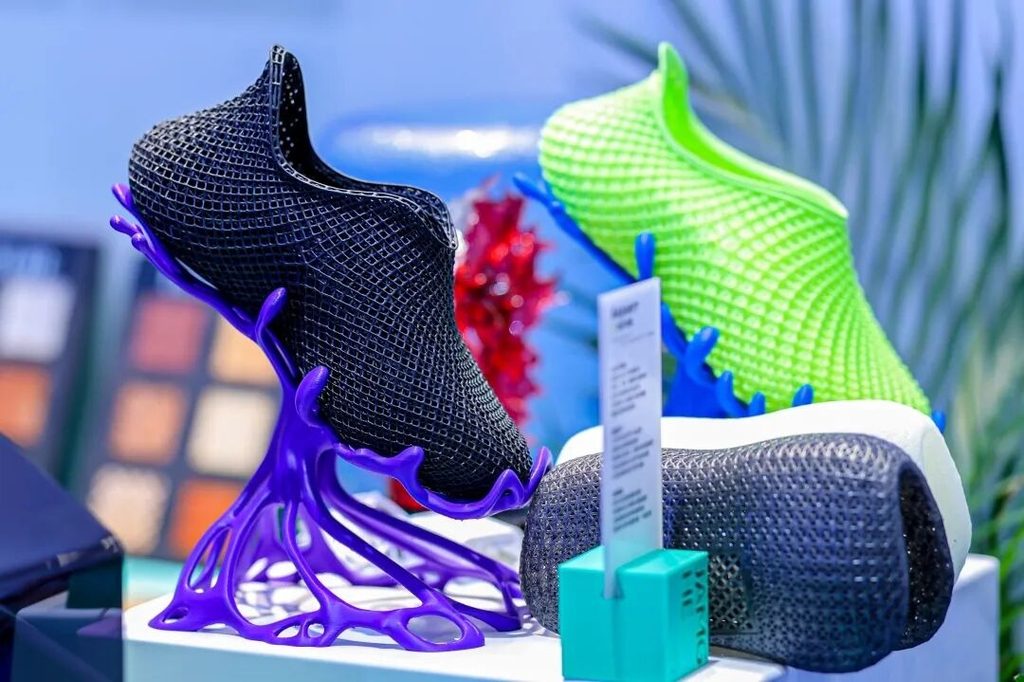
In wearables, 3D-printed shoes are also gaining significant traction. Millions of pairs of 3D-printed shoes are already coming off production lines each year and being worn by consumers.
As equipment and material performance continue to improve, and post-processing becomes more automated, labor and costs will continue to decline. In the future, the price of 3D-printed shoes may drop to 200–300 yuan, bringing them closer to conventional footwear.
Over the past two years, another new production model has emerged rapidly—the 3D printing farm.
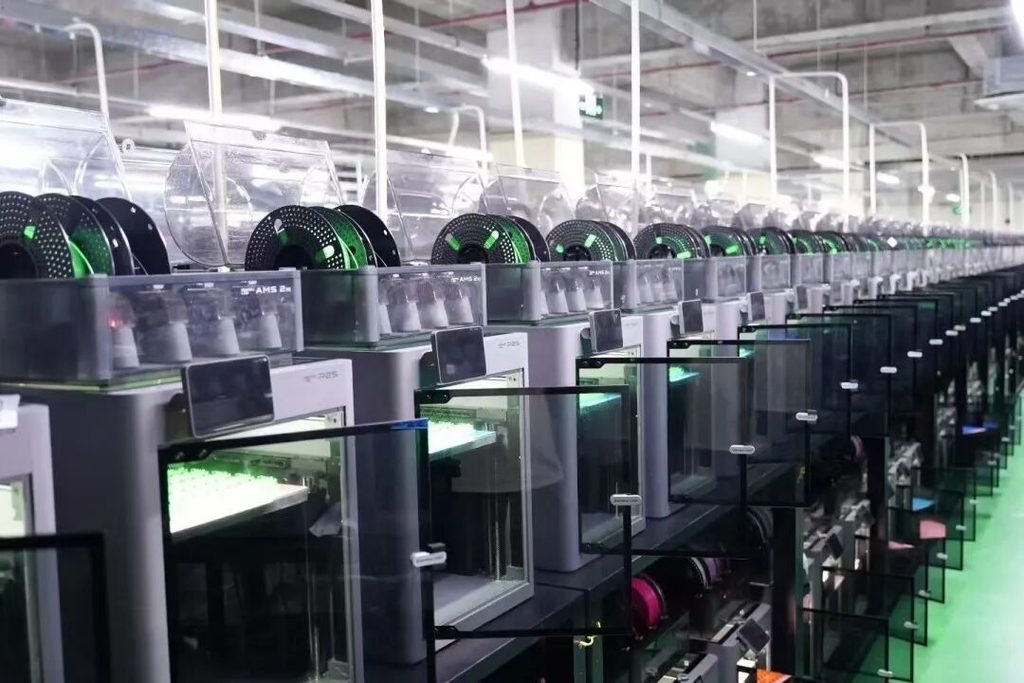
Hundreds or even thousands of 3D printers running simultaneously, mass-producing toys, cultural creative products, and more. Some ultra-large farms with over 10,000 machines have already appeared.
To some extent, these 3D printing farms are taking on a role similar to injection molding factories: taking orders and doing mass production.
There are many more examples of mass production applications. Hearing aid shells, invisible aligner molds, dental prosthetics, and medical implants have long been produced at scale; aeroengine fuel nozzles, gas turbine components, automotive parts, and sports helmet cushioning layers have also entered batch manufacturing.
Even eyeglass frames, orthopedic insoles, and mascara brushes now have mass-produced 3D-printed versions.
From implants inside the human body to everyday consumer products, 3D printing is manufacturing more and more products that truly reach end users.
04 — Capital and talent enter the scene: 3D printing entrepreneurship version 2.0
Over a decade ago, 3D printing was still a brand-new track. Many of us in the industry started from zero—no mature experience, no ready-made path to follow.
Back then, a company often had just a few people. One person had to understand the technology, run the market, find clients—and do many other things themselves. Everyone crossed the river by feeling the stones, fueled by passion, and persisted through to today.
The companies that have survived have gradually found their positioning, accumulated technology, clients, and experience.
Now, a new generation of 3D printing companies is emerging.
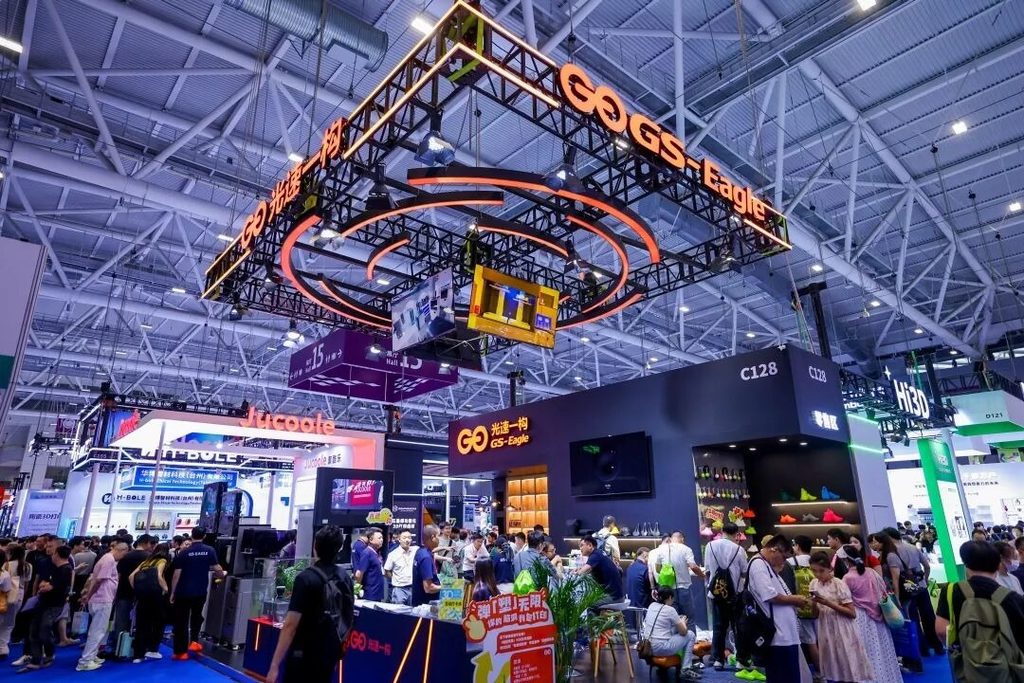
Unlike those from a decade ago, these companies often have capital backing from the very beginning, with more complete team structures. Some handle technology, some handle products, some handle market and sales—clearer division of labor and higher starting points.
At the same time, the early-stage companies are also upgrading. They are bringing in talent, improving management, and building brands—transitioning from entrepreneurial teams to truly mature companies.
This also means that the stories of grassroots breakthroughs driven by a handful of passionate individuals are becoming harder to replicate today.
We often say the industry is too “crowded.” But with capital, talent, and new companies continuously entering, real competition may have just begun.
This is a necessary process for the industry to mature.
Of course, competition shouldn’t be just about price—it should be about technology, performance, cost, and service. Only when machines and materials become better and cheaper can 3D printing be used by more people and enter more batch applications.
Final thoughts from 3Dzyk
We believe that the true popularization of 3D printing will not be when everyone is talking about it, but when people no longer emphasize it specifically.
When it’s no longer treated as a selling point, but becomes a common manufacturing method—like CNC machining and injection molding—that is when the era of 3D printing will truly have arrived.
Of course, we still have a long way to go to get there. Everyone—from those who have persisted to those just joining the journey—needs to work together.
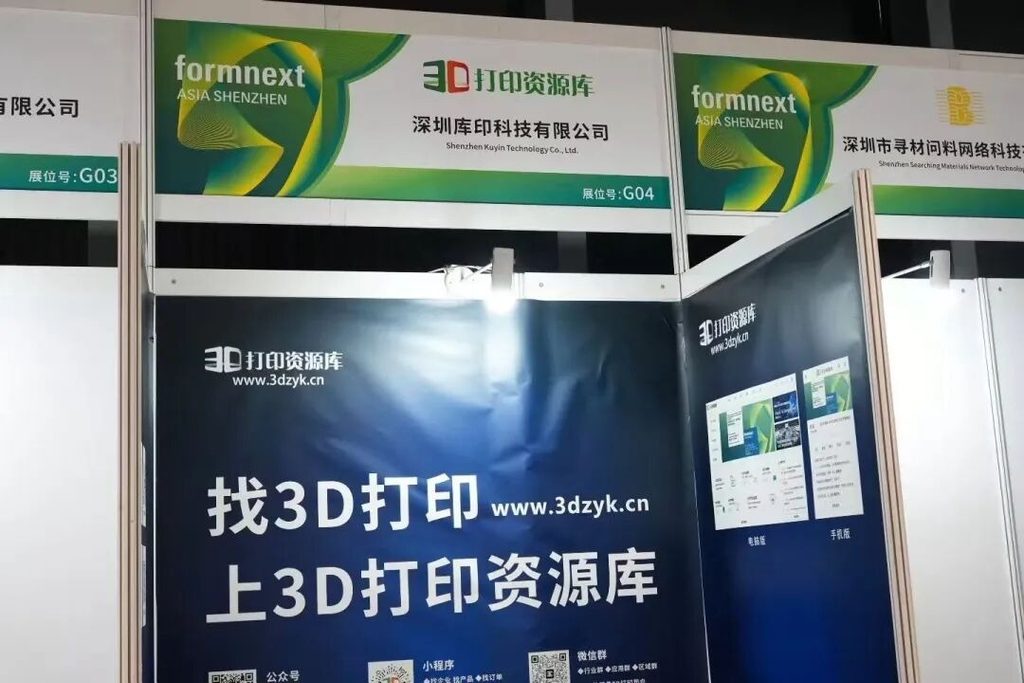
As an industry media outlet, we increasingly feel the weight of our responsibility.
What we need to do is not just report on new products and exhibition buzz. We need to see the industrial changes behind the excitement, document the industry’s progress, and pay attention to the issues that exist—delivering truthful, professional, and rational voices to the industry.
We’ll continue walking this path together, until 3D printing is truly widespread.
 li, chen