
 By 3dzyk
 Deep expertise in both mold-making and 3D printing—this is exactly what defines Esu Laser.
Without this recent visit to Shanghai Esu Laser Technology Co., Ltd., it would have been difficult to grasp just how deeply metal 3D printing has integrated into the mold industry.
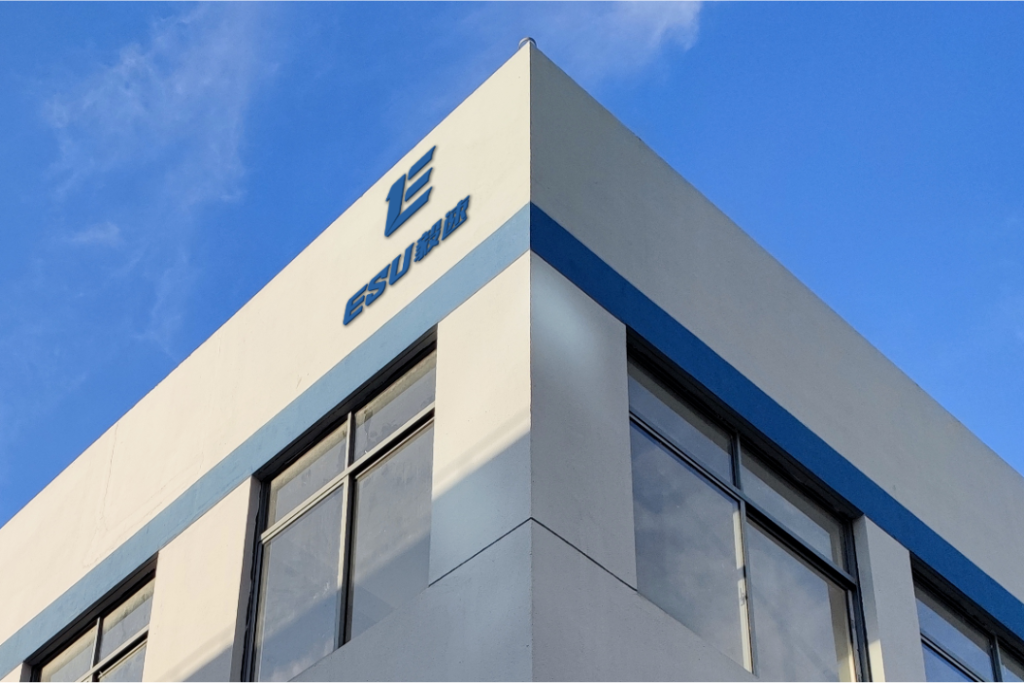
In the past, when people talked about metal 3D printing, they usually thought of high-end, niche scenarios like aerospace, medical implants, or scientific research validation. However, from the perspective of industrial commercialization, mold manufacturing is emerging as a more practical application direction with immense potential for large-scale expansion.

Esu Laser happens to be one of the earliest pioneers to test the waters in this sector.
Recently, 3Dzyk visited Esu Laser and spoke with the company’s relevant heads.
According to their introduction, since entering the metal 3D printing industry in 2018, Esu Laser has remained laser-focused on the mold sector. To date, they have served over 3,000 customers, accumulated more than 300,000 mold 3D printing application cases, and established a comprehensive “six-in-one” ecosystem that covers equipment, materials, processes, printing services, additive-subtractive synergy, and factory-building support.
01
—
Understand Molds First, Do 3D Printing Second
During our conversation, Esu Laser mentioned that the company began serving the mold industry as early as 2004, and did not officially pivot into metal 3D printing until 2018.
This background explains why Esu Laser focuses so heavily on mold 3D printing.
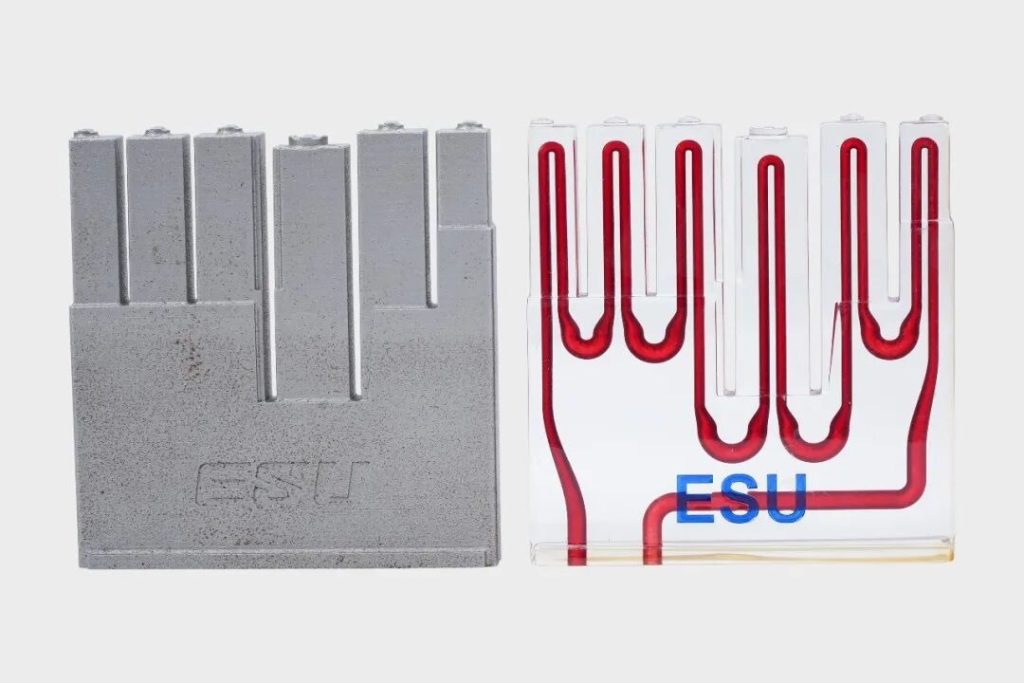
Mold 3D printing is not just about simply printing out a part; it is about solving real-world production headaches. These include uneven cooling in injection molds, cracking in die-casting molds, complex venting structures, and conformal cooling channels—all of which are notoriously difficult for traditional manufacturing to solve.
These challenges can only be properly addressed by someone who truly understands molds, processing tech, and the reality of the shop floor.
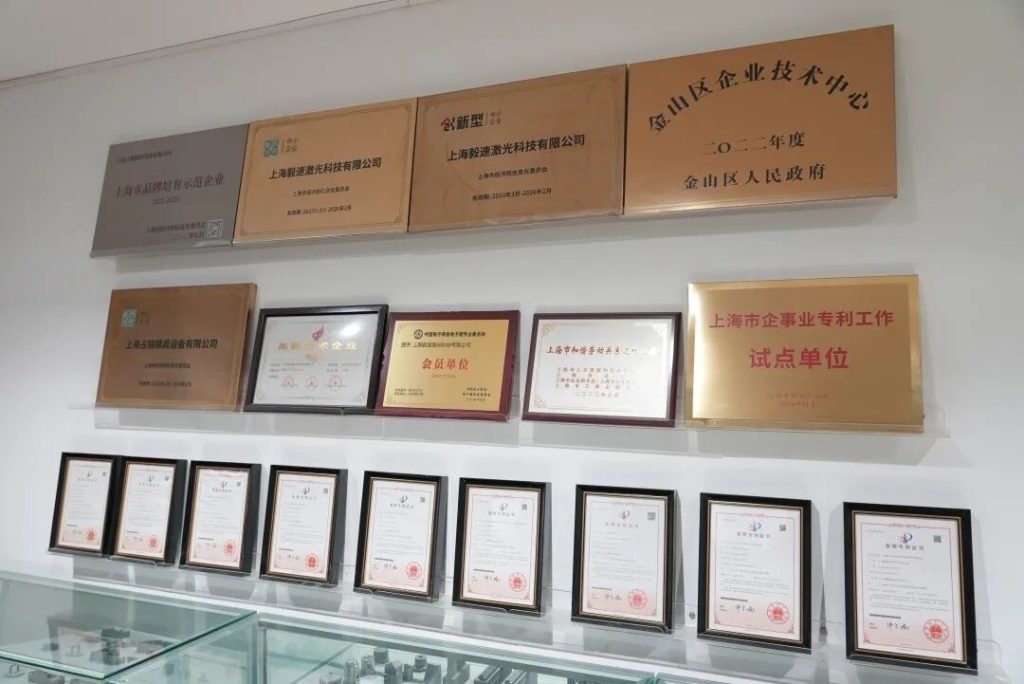
As Esu Laser’s marketing head wrapped it up in a single sentence: “We know 3D printing, and we know molds.” It sounds simple, but in the world of mold 3D printing, this dual expertise actually represents a very high barrier to entry.
02
—
Mold 3D Printing is Moving Toward Core Components
In the first-floor showroom of Esu Laser, we saw an entire wall dedicated to mold 3D printing case studies.
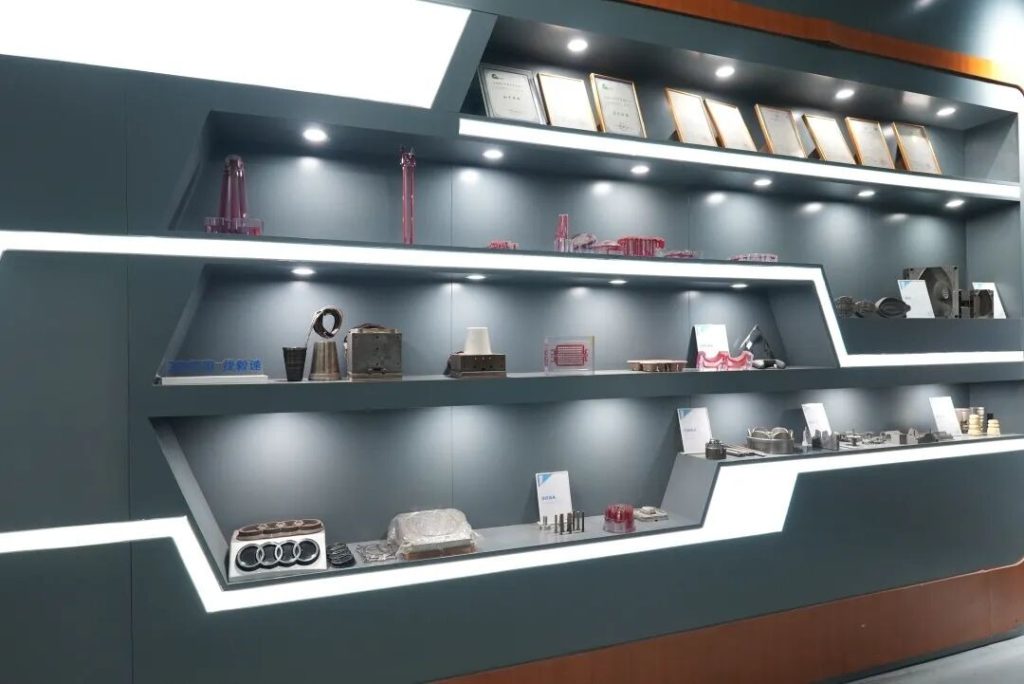
The display featured injection molds, die-casting molds, molded pulp dies, foaming molds, blow molds, tire molds, shoe molds, and more. During the tour, Esu Laser’s technical director showed us the sample parts while explaining their specific roles in actual production.
To be honest, if we hadn’t seen these cases firsthand, we might have still believed that metal 3D printing in the mold industry was mostly confined to prototyping and validation. In reality, it is already being used in many specific, functional mold components.
Injection molding is a prime example.
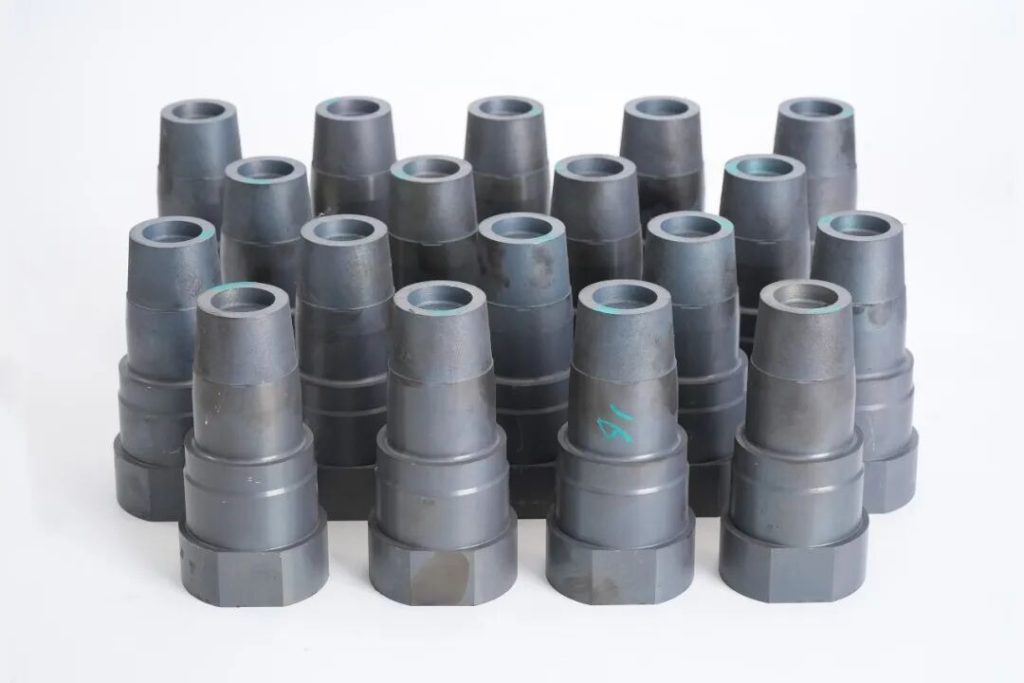
In injection molds, the most common application for 3D printing is conformal cooling channels. Traditional machining cannot easily drill intricate, curved waterways inside mold cores and cavities, but 3D printing can build these structures directly. Because the water channels can run much closer to the product surface, cooling is faster and more uniform, which significantly shortens the molding cycle time.
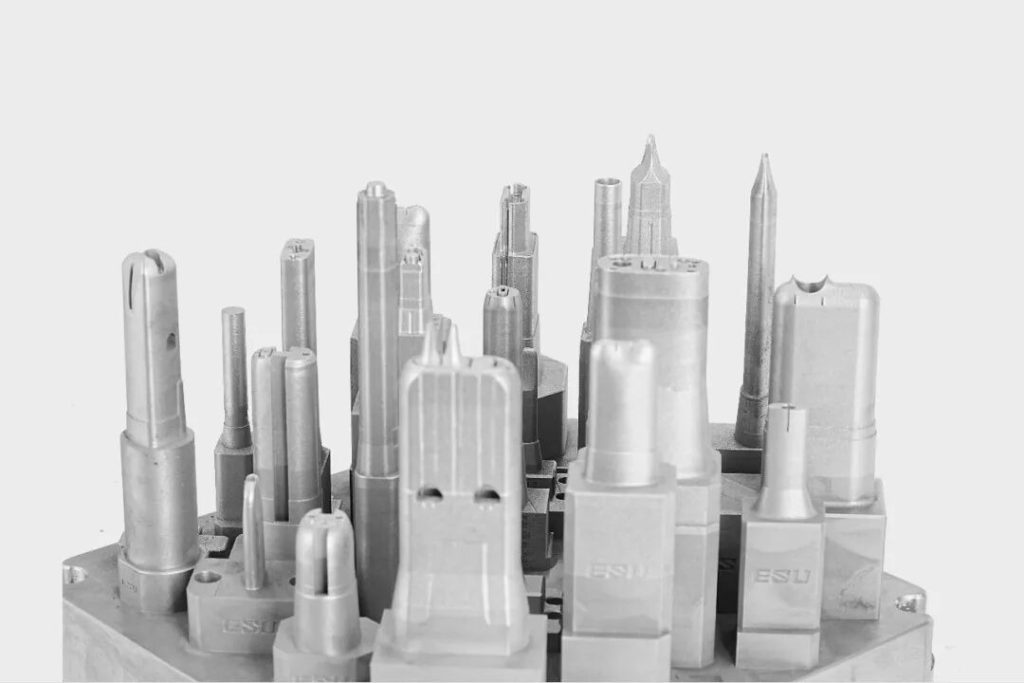
We also saw many molds related to e-cigarettes. According to our guide, these molds feature tiny structures and strict precision requirements, yet their internal cooling space is extremely restricted. Many of these areas are virtually impossible to machine using traditional methods. For these products, 3D printing is not just a nice-to-have bonus; it solves problems that traditional manufacturing simply cannot.
Die-casting molds are another area where Esu Laser thrives.
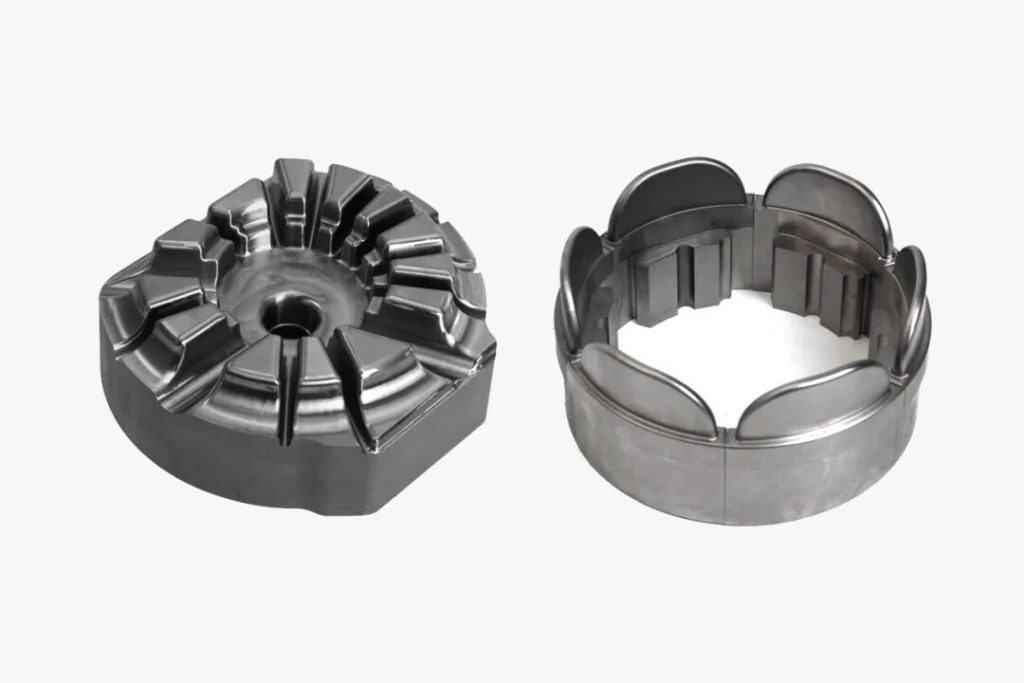
Instead of just offering printing services, they deliver an end-to-end workflow: from cooling channel design and metal 3D printing to precision machining, coating, and inspection. Because of this, Esu Laser’s workshop is filled not only with 3D printers, but also with traditional machining equipment like CNC lathes and milling machines.
Seeing these examples made us realize that Esu Laser’s claim of knowing both 3D printing and molds is anything but an empty boast.
03
—
Equipment: Targeted Optimization for Mold Applications
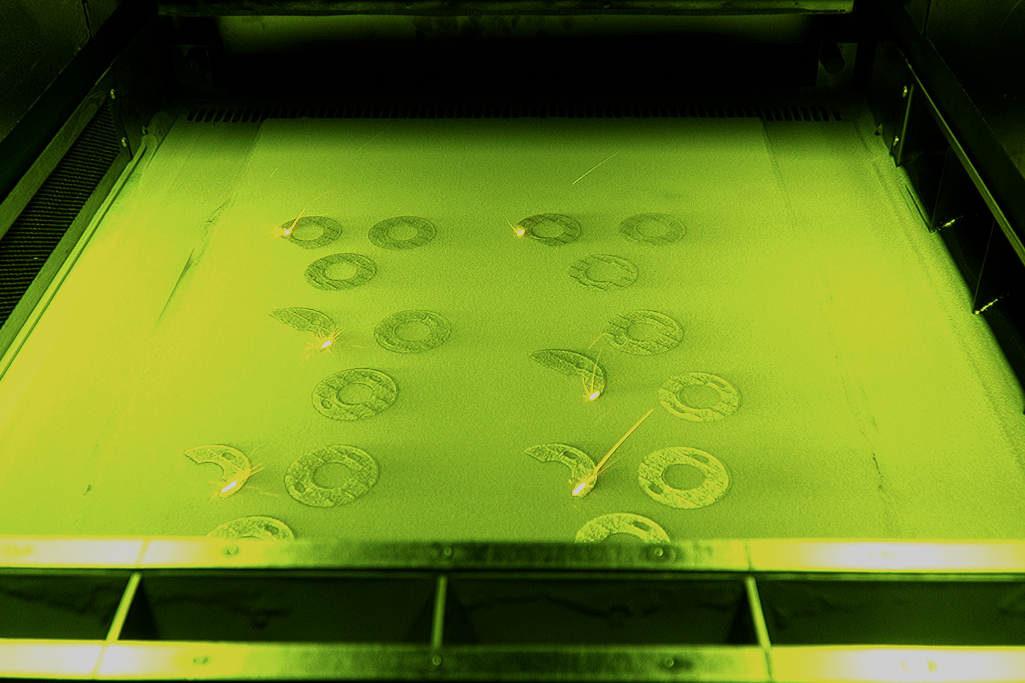
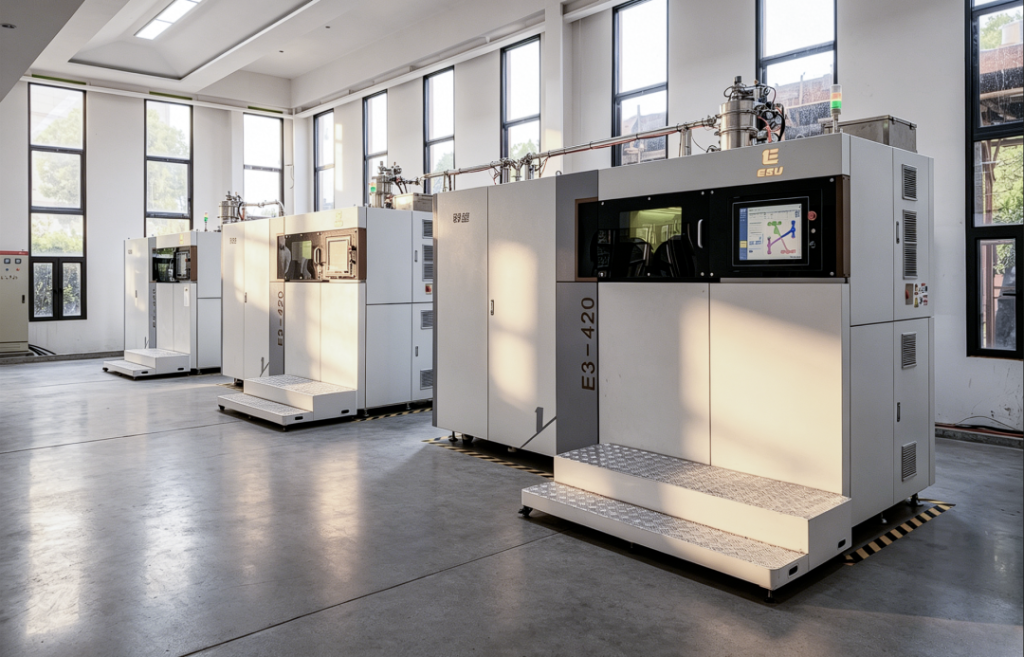
During the visit, Esu Laser highlighted two of their self-developed, third-generation metal 3D printers:
- E3-420: Featuring a maximum build size of 400 × 400 × 420 mm, this machine can handle large mold components and is ideal for multi-part batch production on a single build plate. Depending on the customer’s capacity needs, it can be configured with dual-laser, quad-laser, or six-laser setups. Built specifically for the mold industry, the E3-420 focuses on high precision, high efficiency, and high stability. It also recently obtained explosion-proof certification, offering a much safer environment for users printing with reactive metals like aluminum or titanium alloys.
- E3-320: With a maximum build size of 250 × 250 × 320 mm, this machine is more compact and better suited for printing small-to-medium components.
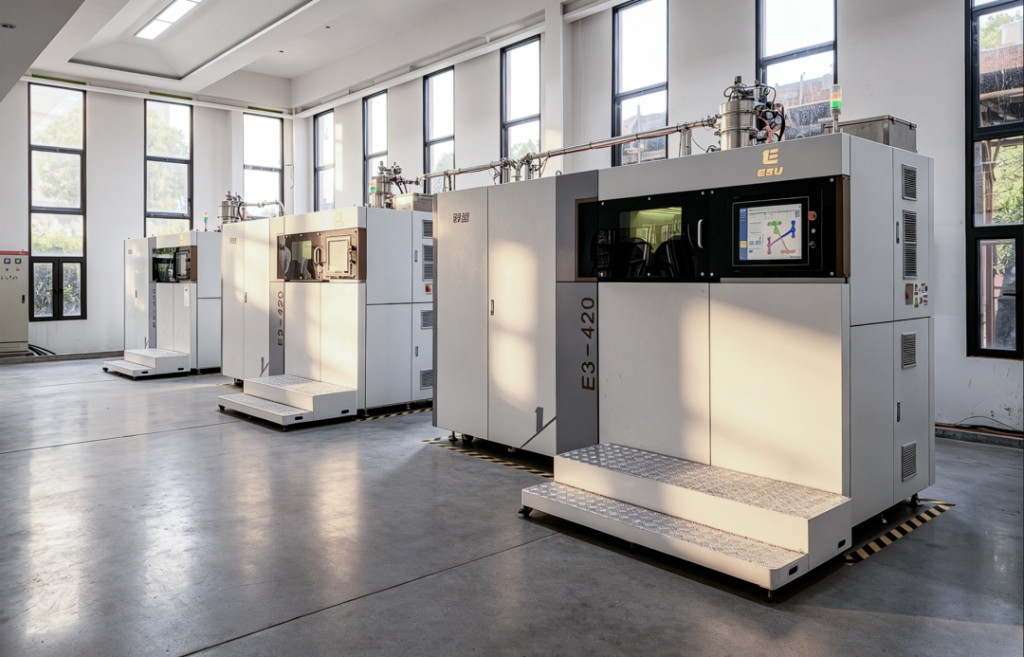
While the E3-420 is tailored for large dimensions and mass production, the E3-320 is better suited for early-stage technology adoption and small-batch validation. For many mold makers, proving out the application first before scaling up capacity is the more practical route.
04
—
Materials: The Real Key to Industrializing Mold 3D Printing
In mold 3D printing, materials are an unavoidable hurdle.
The head of Esu Laser shared that when they first started, they quickly realized that off-the-shelf materials on the market could not meet the rigorous demands of the mold industry.
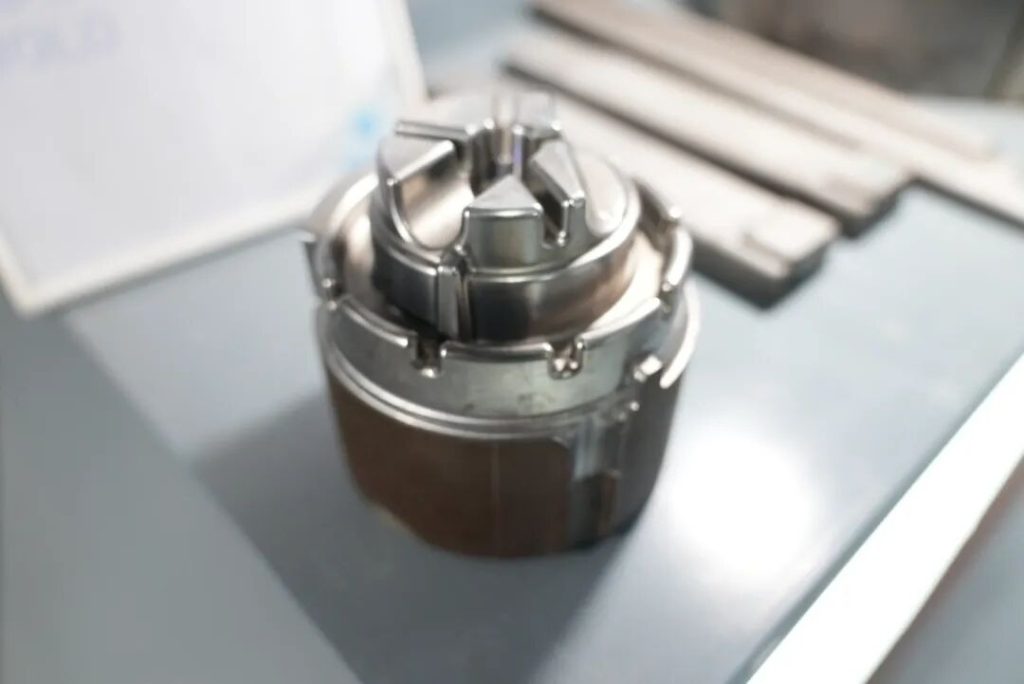
Molds are not ordinary parts; they are used repeatedly and must withstand intense pressure, extreme temperature fluctuations, and long-term wear. Some molds also require corrosion resistance, fatigue resistance, high thermal conductivity, and a mirror-like polish.
For context, traditional injection molds usually have a lifespan of up to 500,000 shots, whereas early 3D-printed molds could only hit around 100,000 shots. If the material properties fall short, 3D-printed molds can never be truly integrated into real manufacturing.
Consequently, Esu Laser began developing specialized metal powders for molds early on.
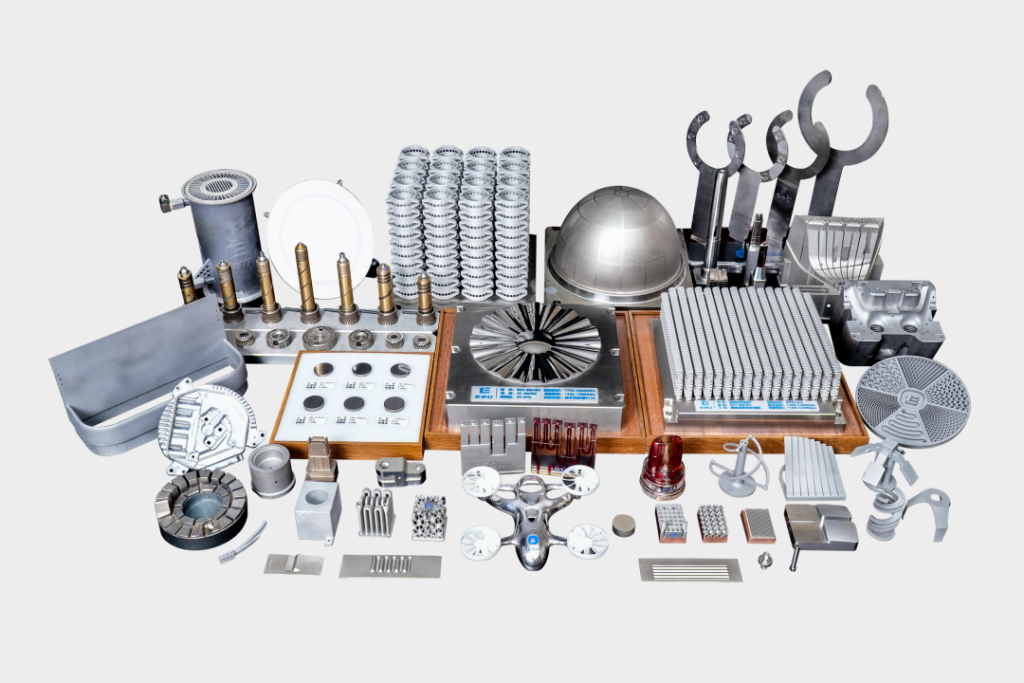
In the workshop, we were shown a lineup of their proprietary materials, with particular emphasis on two:
- EM400 High-Polish Mold Steel Powder: This powder solves the surface finish challenge. Parts printed with EM400 can achieve a near A1-grade finish after post-polishing, making it ideal for injection molds that demand pristine product aesthetics.
- EM201 High-Thermal-Conductivity Martensitic Stainless Steel Powder: This addresses cooling efficiency. Its thermal conductivity can reach 80 W/m·K. When geometry alone (conformal cooling) hits its limit, this high-conductivity material steps in to pull heat away even faster.
This walkthrough revealed just how demanding mold 3D printing is when it comes to material science. Being able to print the part is only half the battle; the material must also be polishable, highly conductive, crack-resistant, and tough enough to endure the grind of day-to-day mass production.
05
—
High Demand, but Market Education Takes Time
Despite the impressive progress, chatting through the tour made it clear that wide-scale adoption of mold 3D printing will still take time.
Zhang Zhanbo, Chairman and CEO of Esu Laser, noted that even though the company has accumulated a massive portfolio of successful cases, many traditional mold factories remain unfamiliar with metal 3D printing.
Many manufacturers have heard of 3D printing but do not know exactly what problems it can solve for their specific workflows. Technologies like conformal cooling, porous venting steel, and consolidated structures ultimately rely on real-world proof of concept to show customers the tangible ROI. In other words, the market does not lack demand; rather, much of that demand has yet to be uncovered.
Materials also remain a frontier for continuous breakthroughs. Traditional mold steel comes in countless grades, with different molds demanding specific balances of hardness, wear resistance, thermal conductivity, and toughness. While 3D printing materials have come a long way, more varieties must be developed to cover a broader range of mold scenarios.
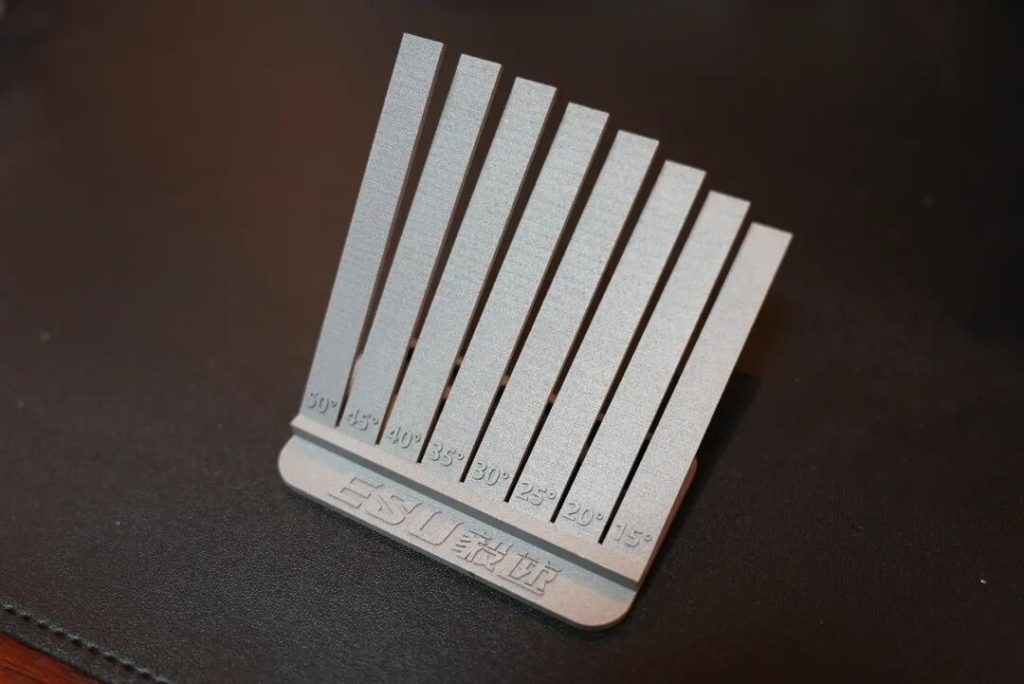
The same applies to equipment. Mr. Zhang mentioned that details like hybrid printing (printing on top of existing machined bases), automatic alignment, part removal efficiency, powder recycling, and gas-flow stability might seem minor, but they directly impact the final print quality and delivery turnaround. This is especially true for high-polish molds, which require exceptionally low porosity, superior surface quality, and rock-solid printing consistency.
▍3Dzyk Thoughts
Molds are an application sector that metal 3D printing should continue to dig into.
Compared to some high-tech but fragmented fields, the needs of the mold industry are highly specific, and the value proposition is easy to measure. If 3D printing can help customers shorten cycle times, boost yield rates, and cut down on trial-molding and maintenance costs, it will inevitably find its place on the factory floor.
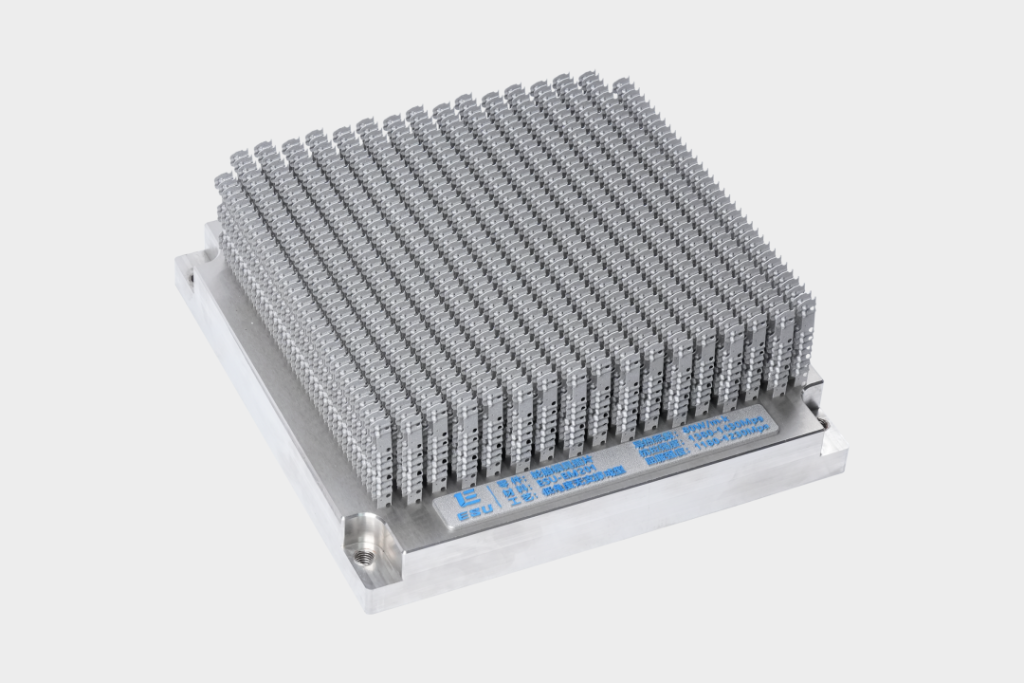
However, mold 3D printing is not as simple as selling a machine or offering a print-on-demand service. It requires a systematic synergy of equipment, materials, processing parameters, post-treatment, and application expertise.
Esu Laser chose to let mold requirements dictate their strategy, working backward to perfect their materials, machinery, processes, and delivery. It is a heavier, more asset-intensive path, but it sits closest to the true needs of the manufacturing industry.
Ultimately, how far mold 3D printing can go depends on how fast materials, machine stability, costs, and customer awareness can improve. But if this visit proved anything, it is that mold 3D printing is no longer just a conceptual pilot—it is steadily marching onto the front lines of real production.
 li, chen